Mount Elgon National Park is home to a rich variety of wildlife that thrives in its cool montane forests, bamboo zones, and open moorlands. Visitors can spot graceful antelope such as bushbucks and duikers, large mammals like buffalo and forest elephants—famous for their “salt-mining” expeditions into the park’s caves—and playful primates including black-and-white colobus and blue monkeys. Birdlife is equally impressive, with over 300 recorded species, from colorful turacos to majestic birds of prey. The park’s diverse habitats offer a serene, natural setting where you can experience wildlife encounters in a peaceful, less-crowded environment.
*In the following, the stars indicate the likelihood to see an animal, whereas more stars mean a higher chance.
Super rare
Almost guranteed
Mamals
Mount Elgon is home to a surprising variety of mammals, from forest elephants and buffalo to playful primates and shy forest antelope. Here you’ll find an overview of the most important species, that you could encounter on your visit.
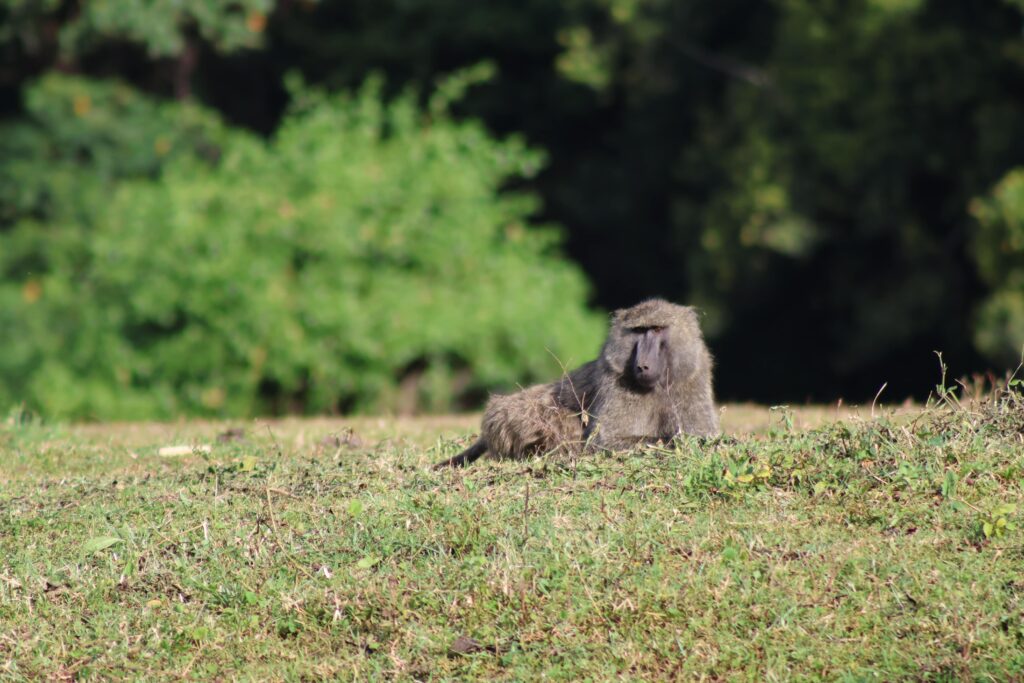
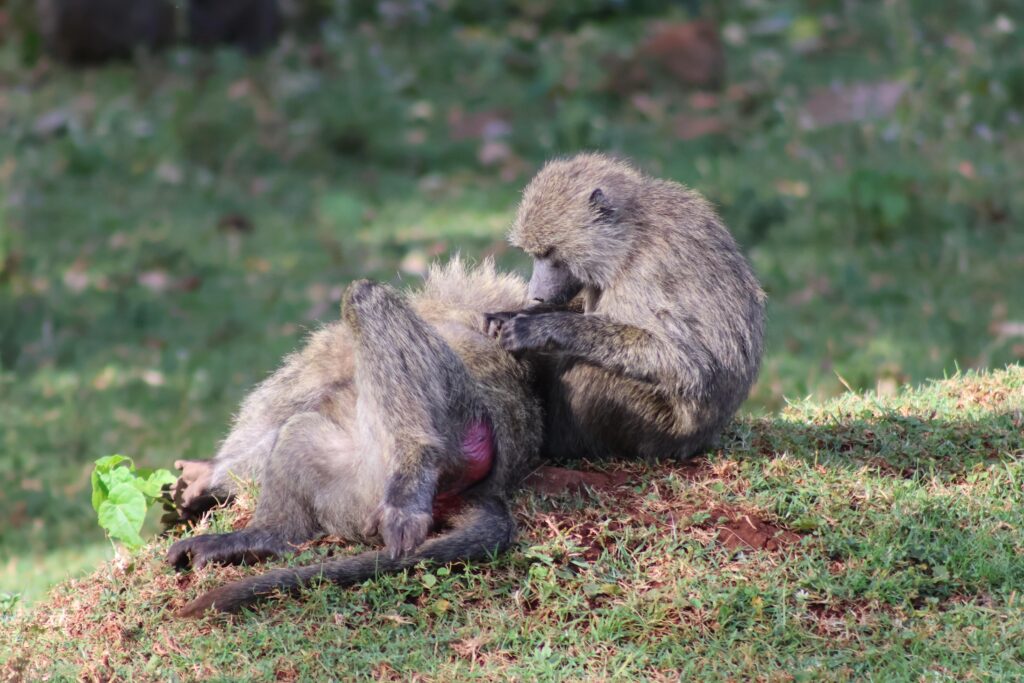
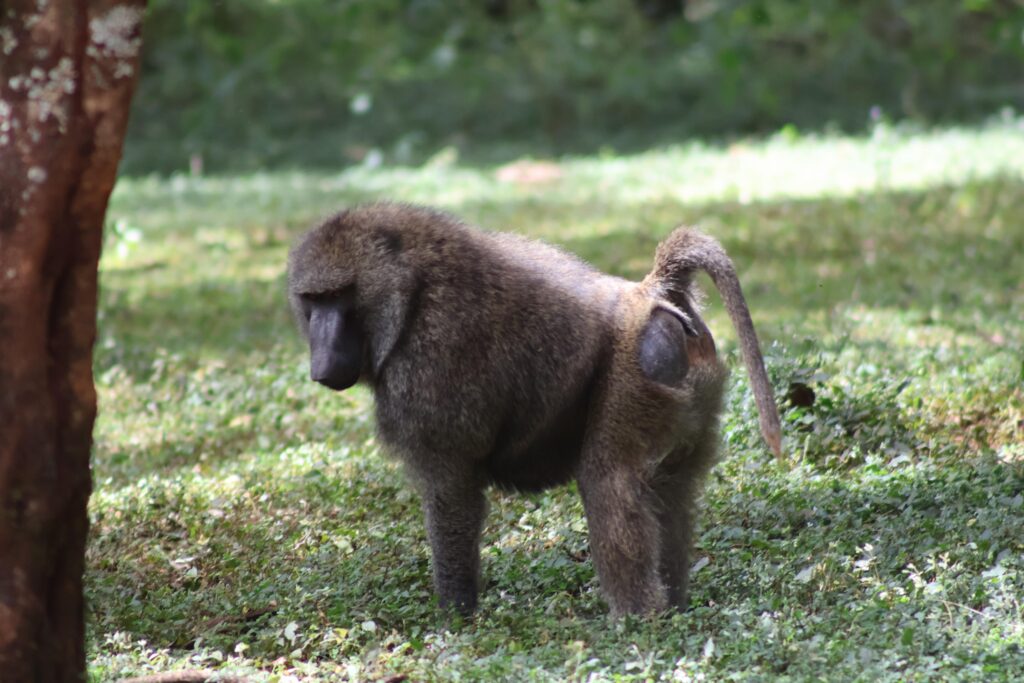
Baboon
Baboons are social and curious primates commonly seen in Mount Elgon’s forest edges and open areas. Living in large troops, they are lively and intelligent, often foraging on the ground while keeping a watchful eye on their surroundings.
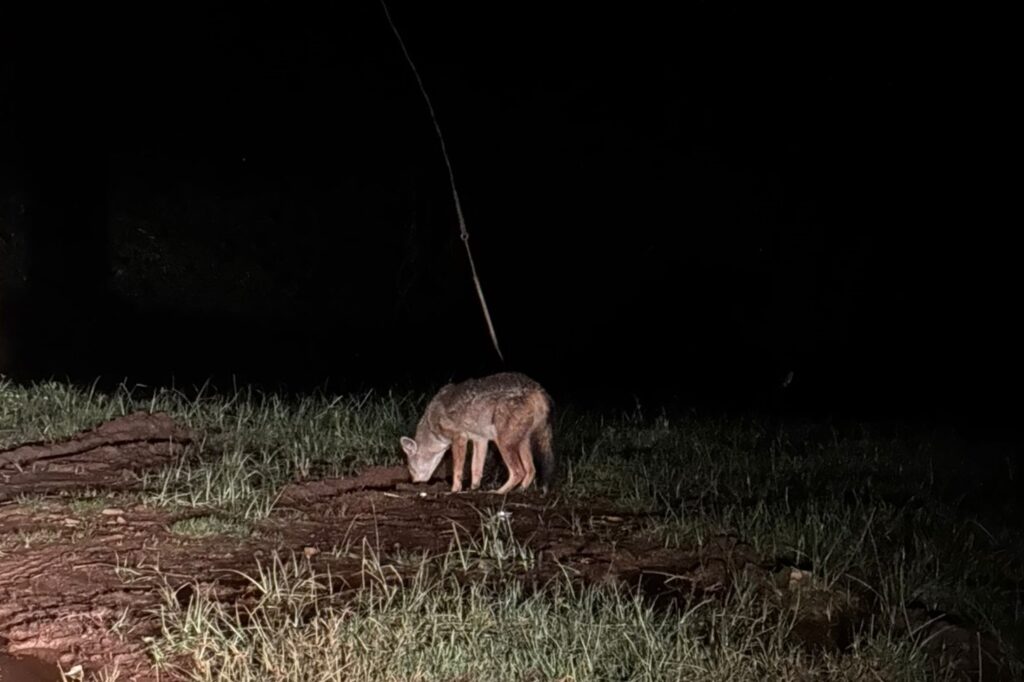
Black Back Jackle
The black-backed jackal is a small, clever predator found in Mount Elgon’s open areas and forest edges. Often seen alone or in pairs, it scavenges and hunts small prey, playing an important role in keeping the ecosystem balanced.
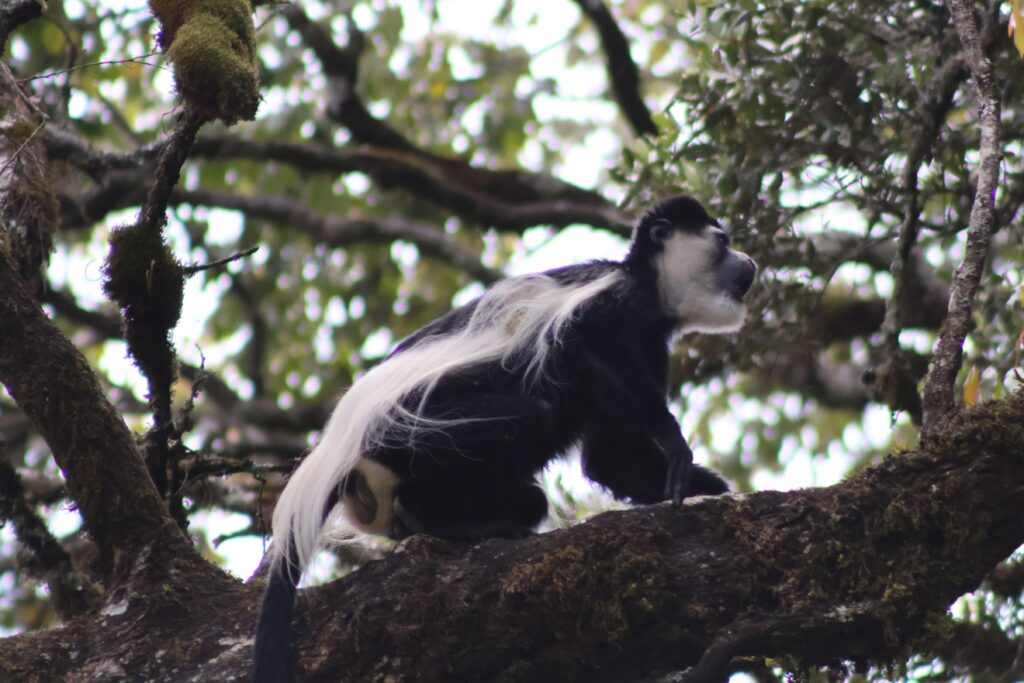
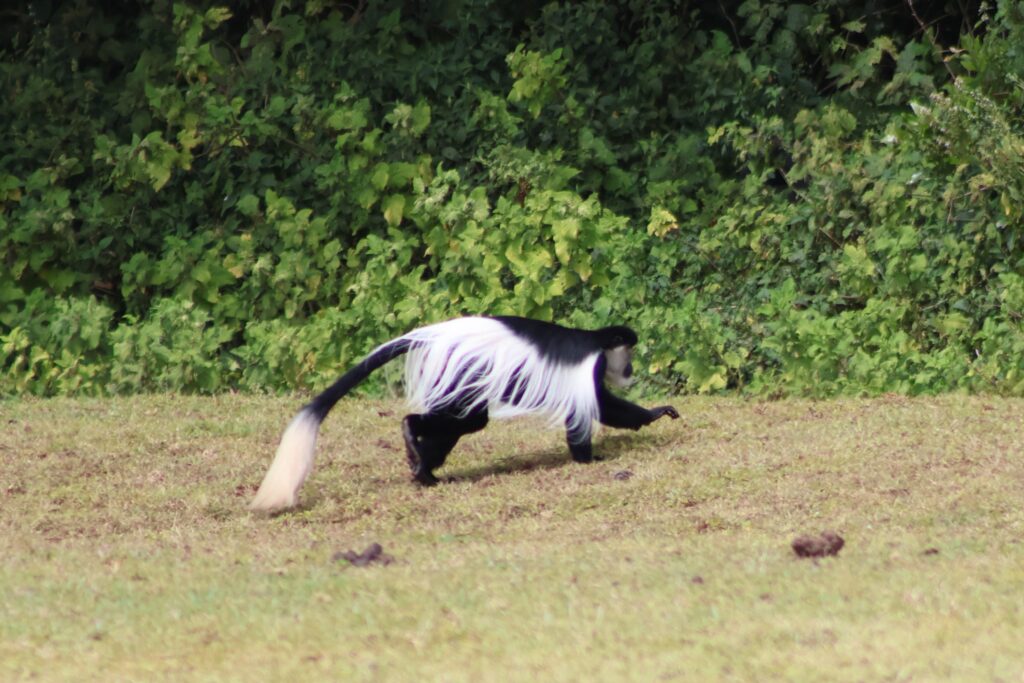
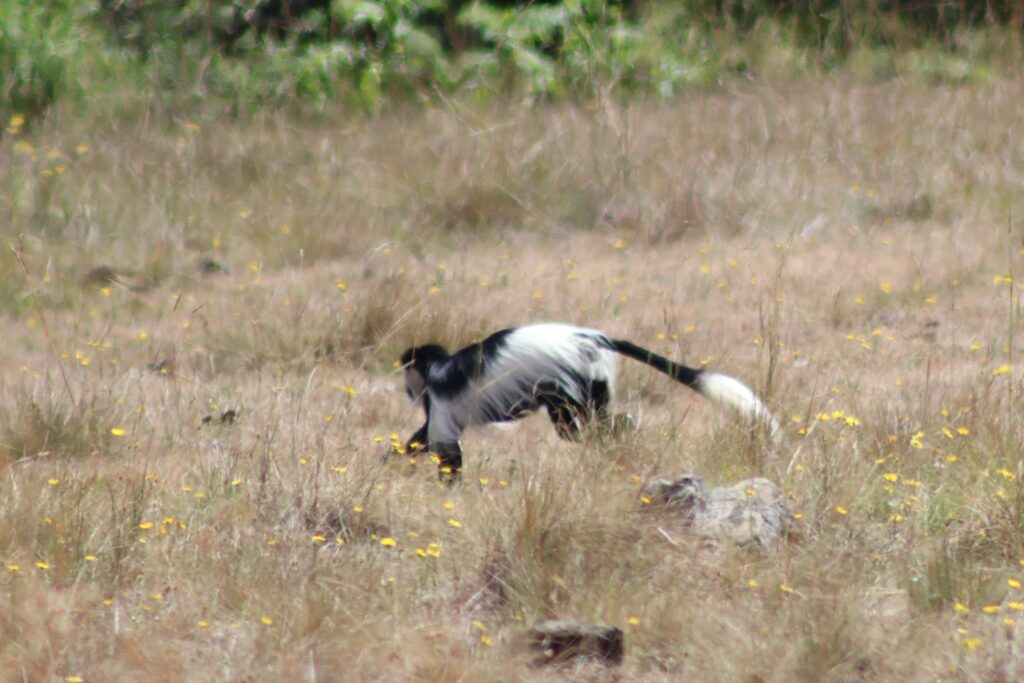
Black-White Colobus
The black-and-white colobus is a striking and agile primate found in Mount Elgon’s forests. With its long, flowing tail and bold monochrome coat, it moves gracefully through the treetops, often seen in small family groups, adding a splash of life to the canopy.
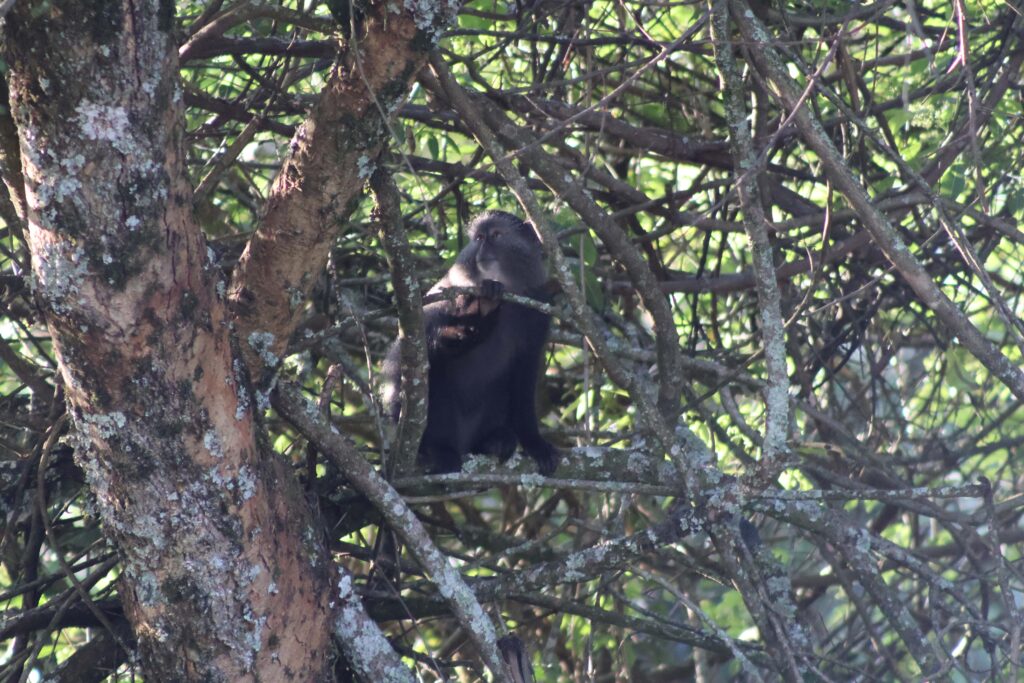
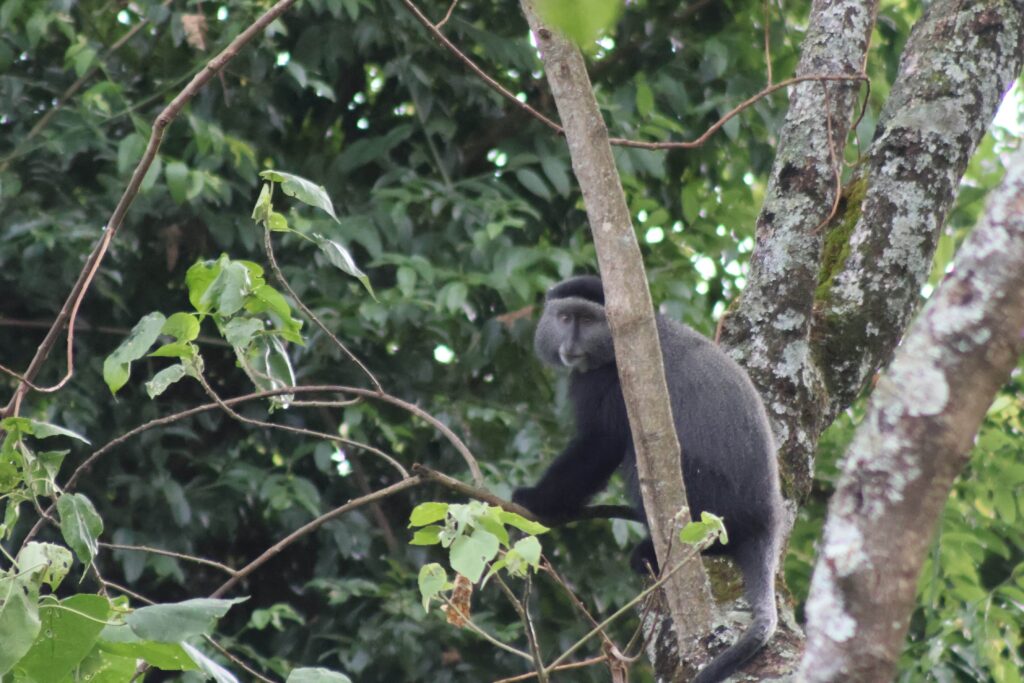
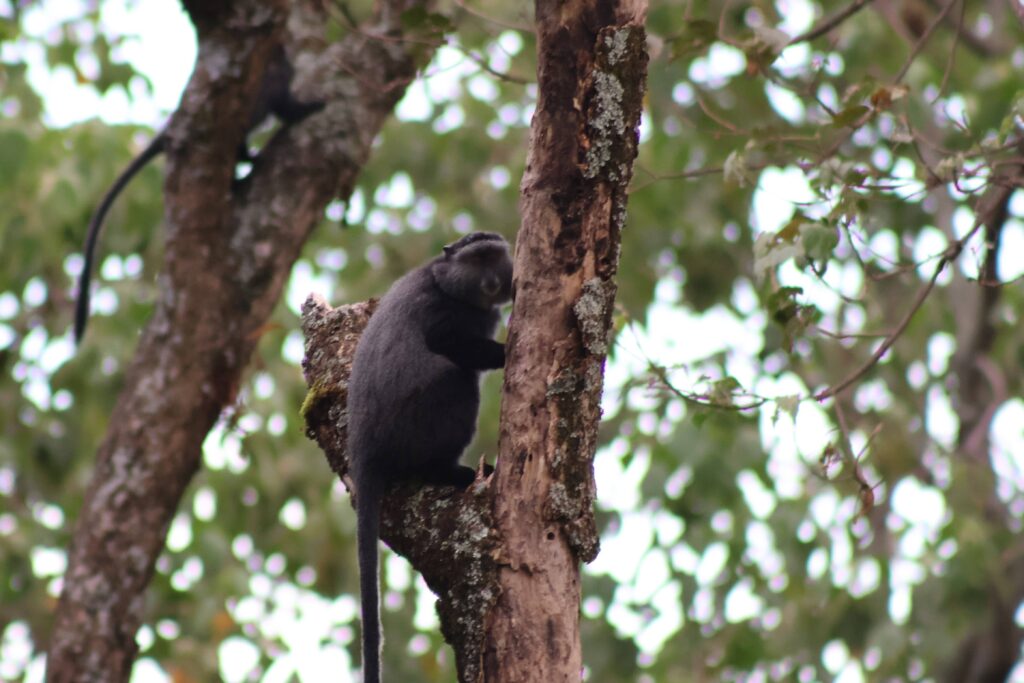
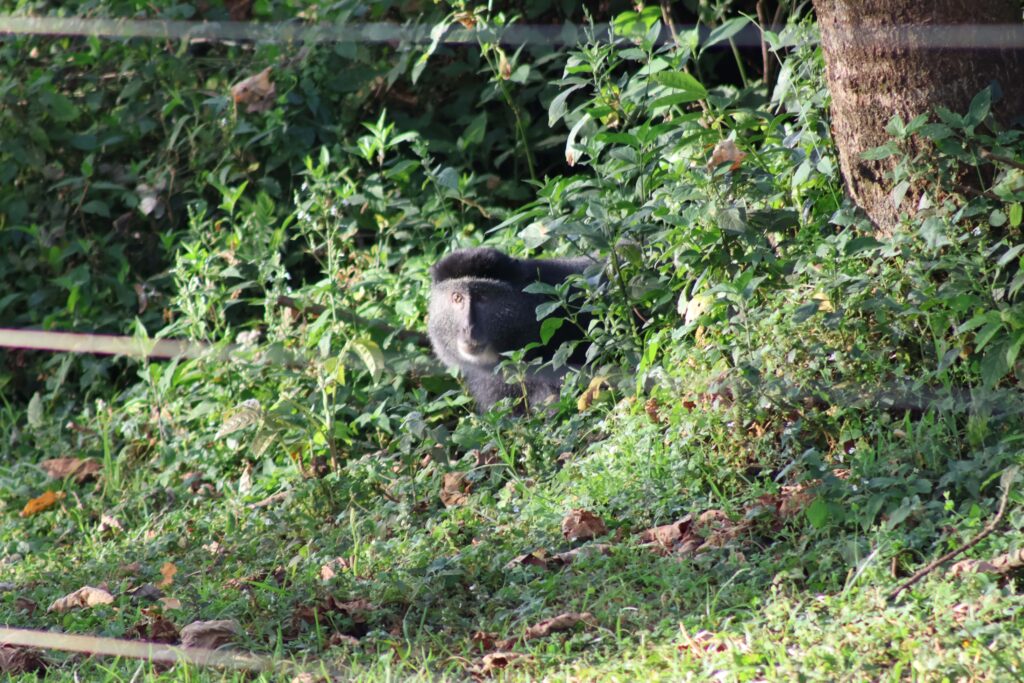
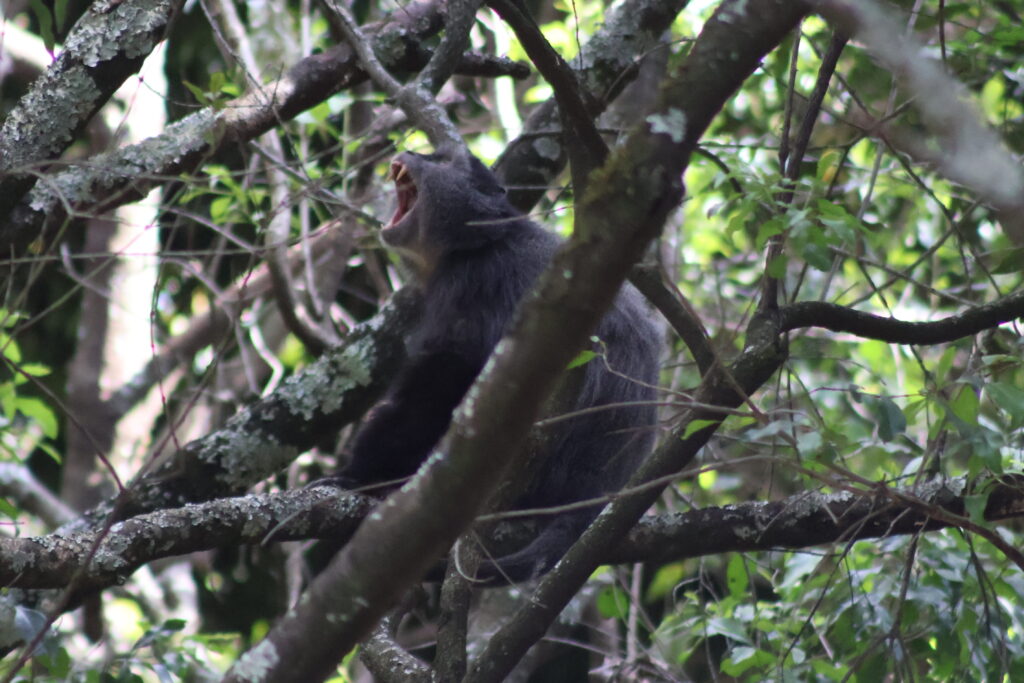
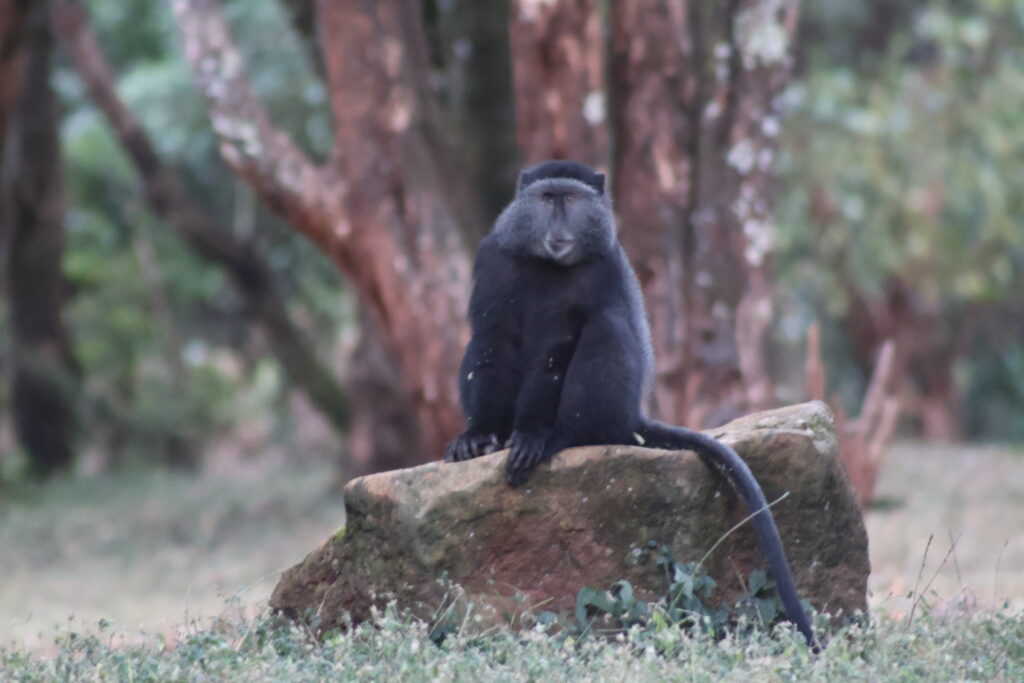
Blue-Face Monkey
The blue monkey is a lively and curious primate found in Mount Elgon’s forests. With its distinctive bluish face and expressive eyes, it moves skillfully through the treetops, often in small troops, adding energy and charm to the park’s woodland canopy.
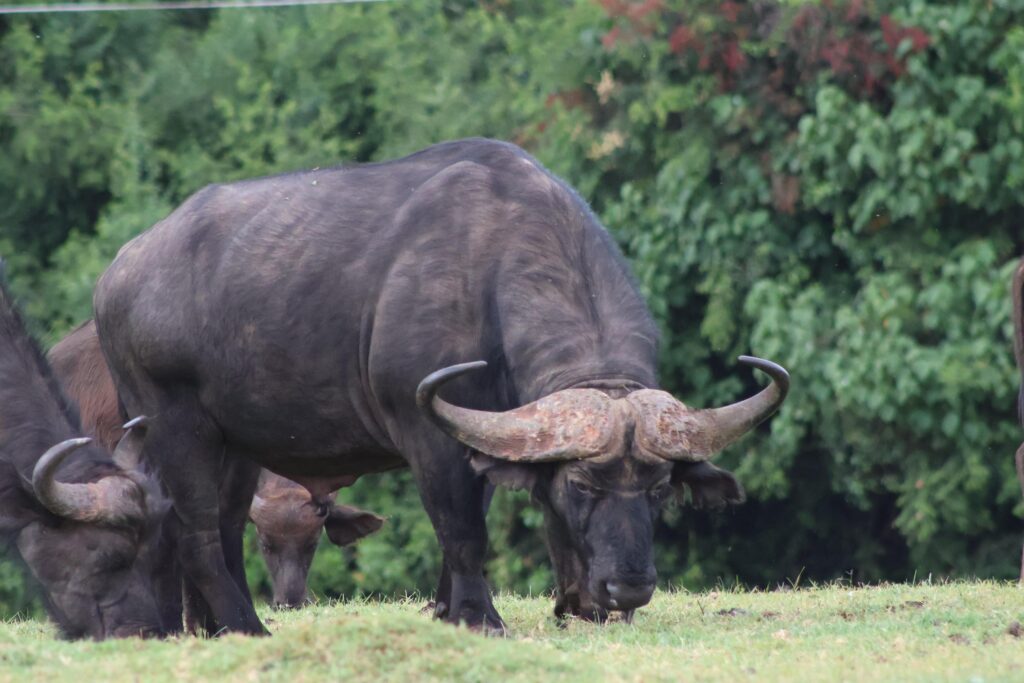
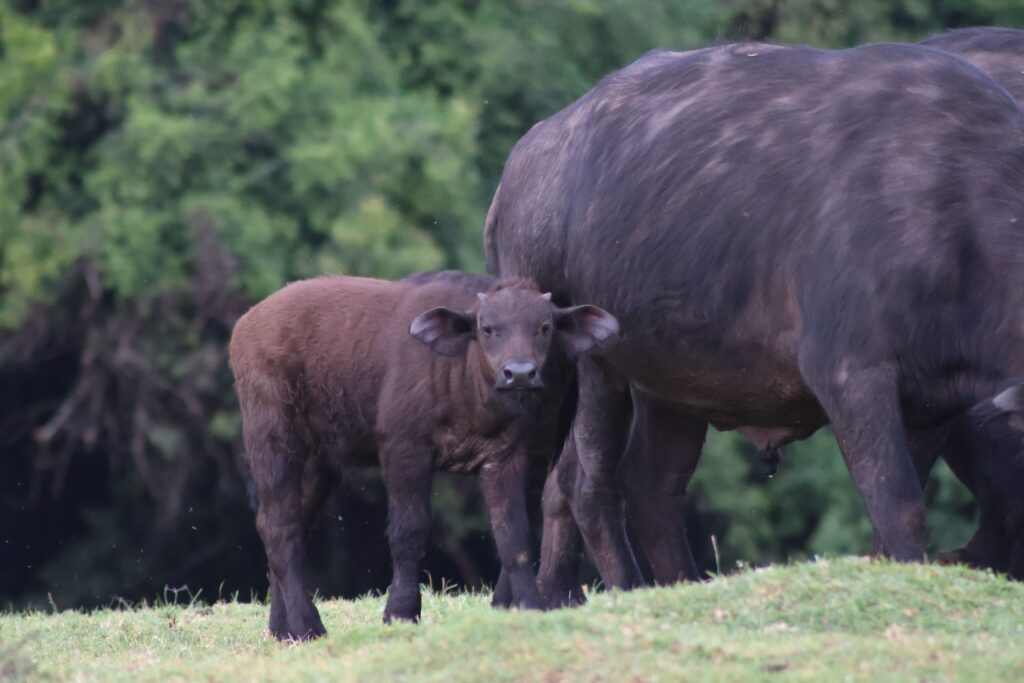
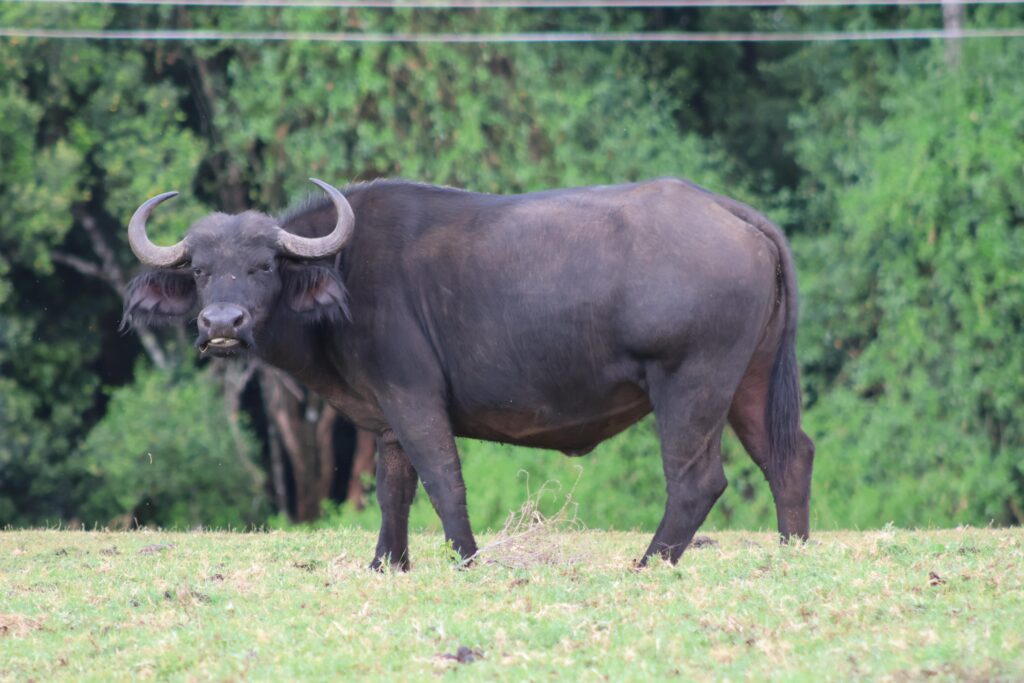
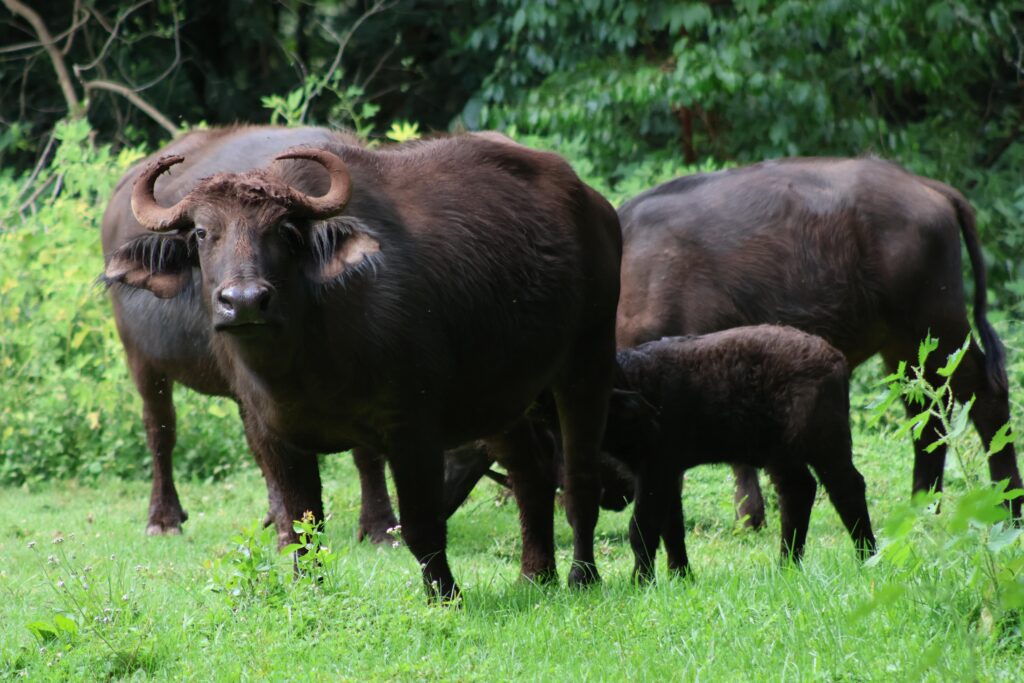
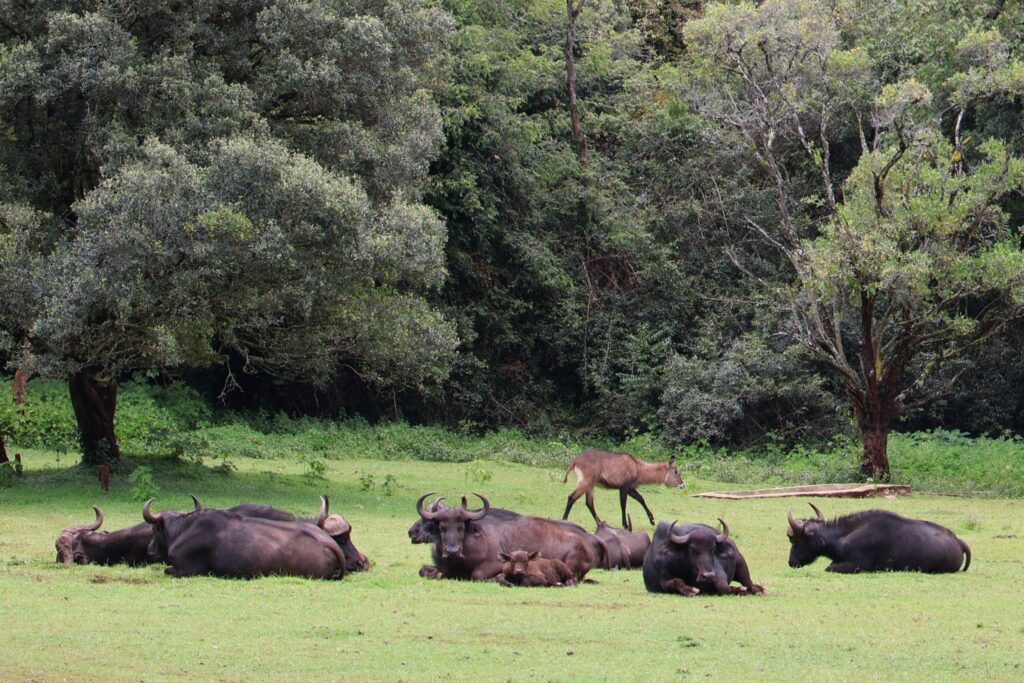
Buffalo
The African buffalo of Mount Elgon is a powerful and resilient grazer often seen in the park’s forest clearings and moorland edges. Usually found in small herds, these buffalos are wary but impressive animals, adding a sense of wild majesty to the mountain’s landscapes.
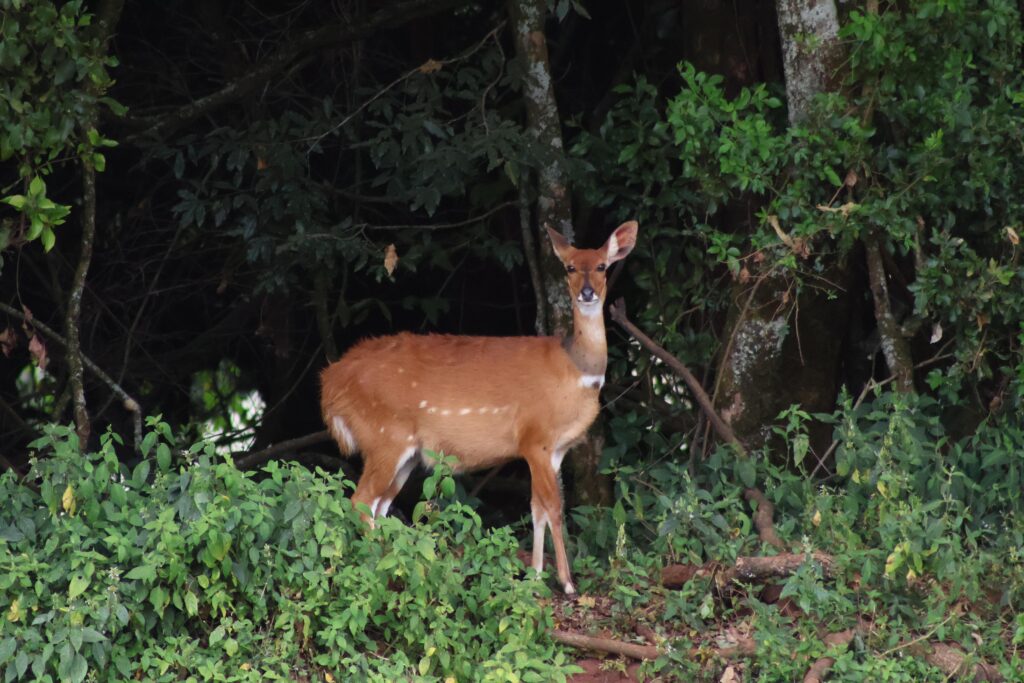
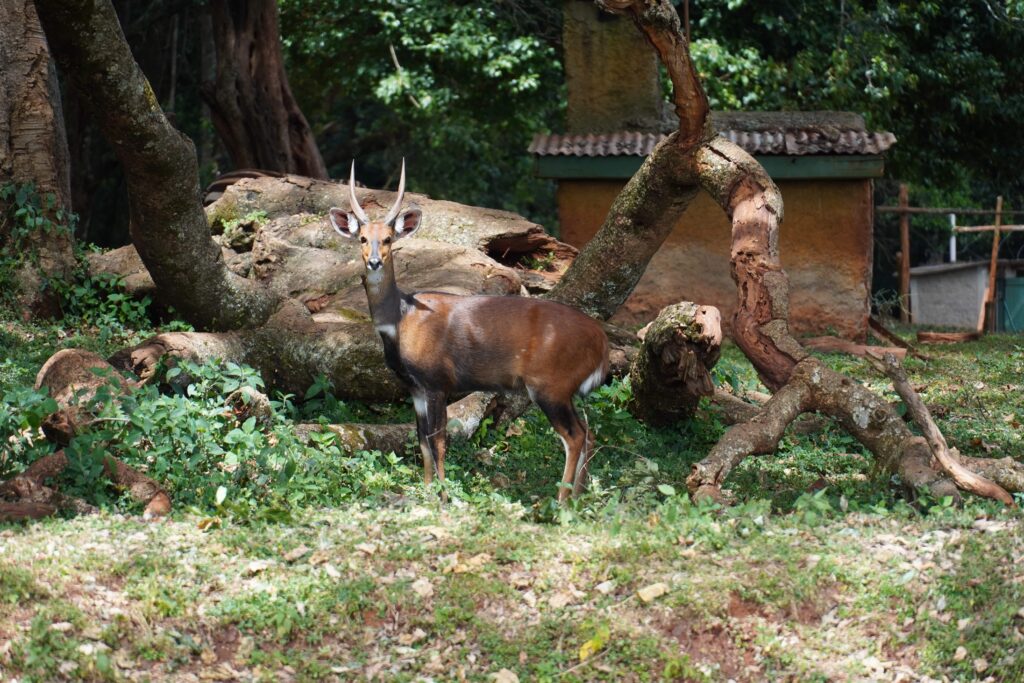
Bushbuck
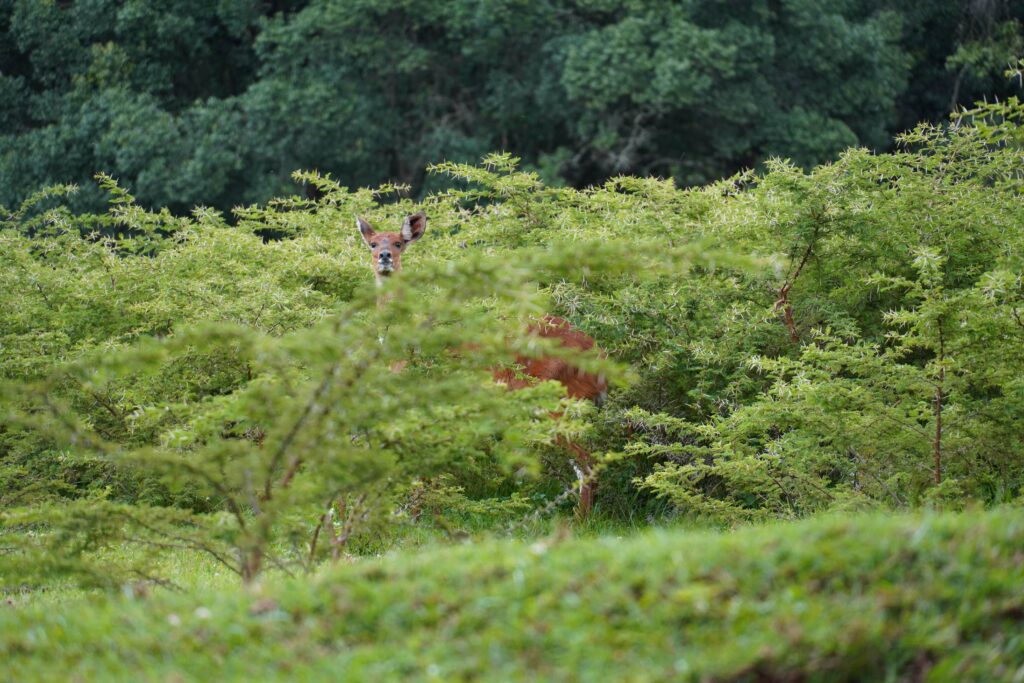
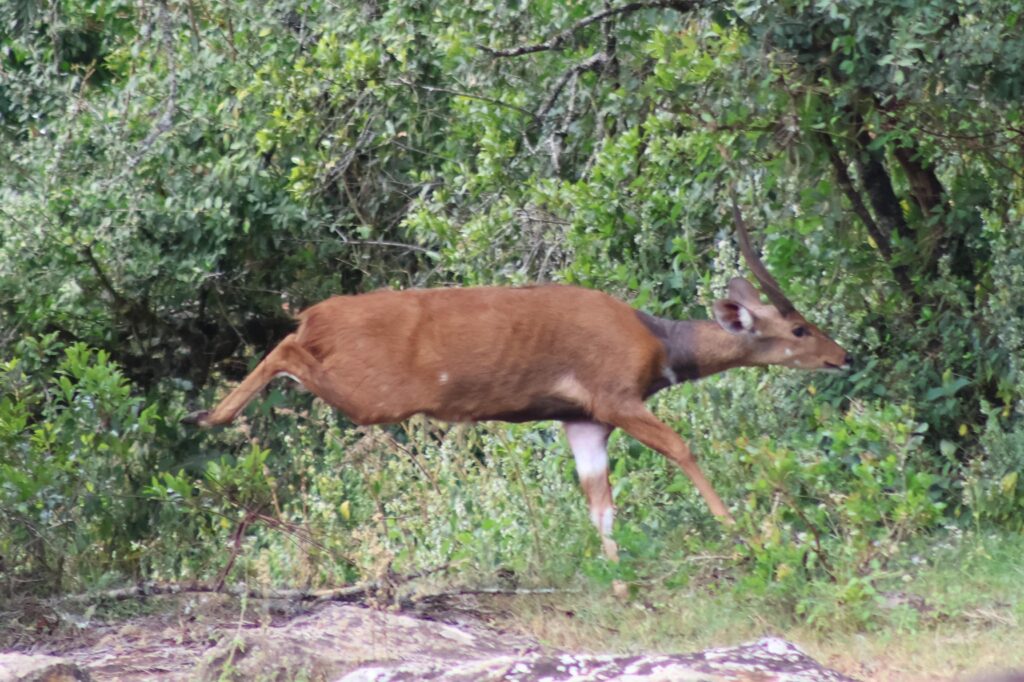
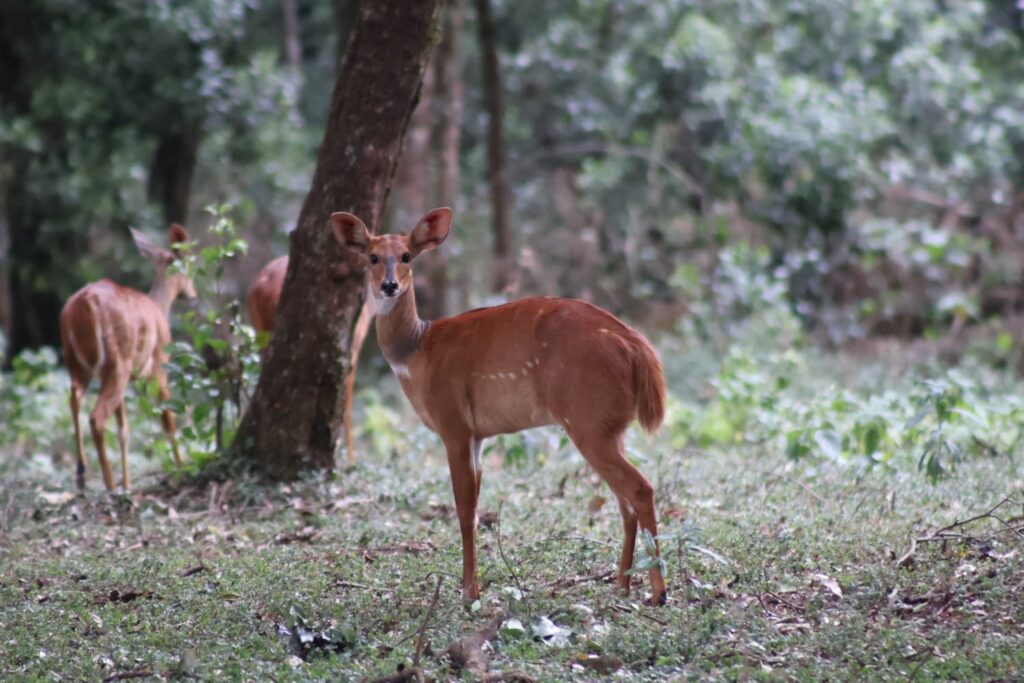
The bushbuck is a shy, solitary antelope that prefers the dense forests and thickets of Mount Elgon. Often glimpsed only briefly, it’s known for its reddish-brown coat and quiet, cautious movements—making each sighting feel like a small, wild surprise.
Elephant
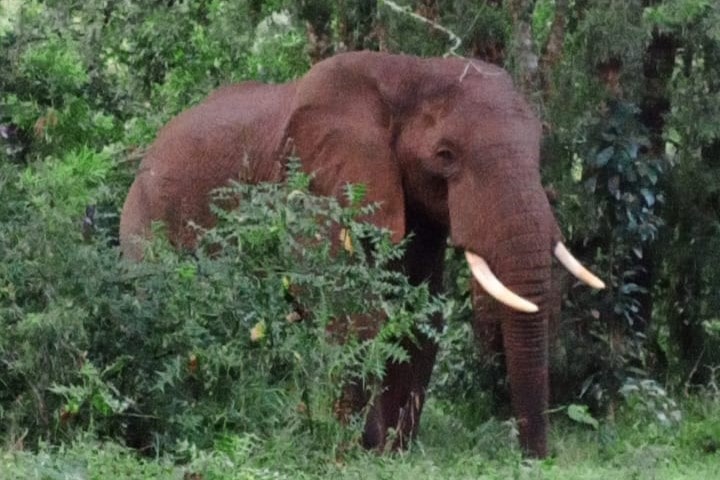
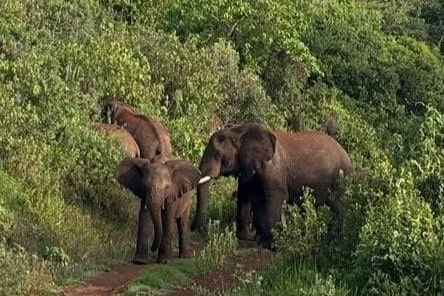
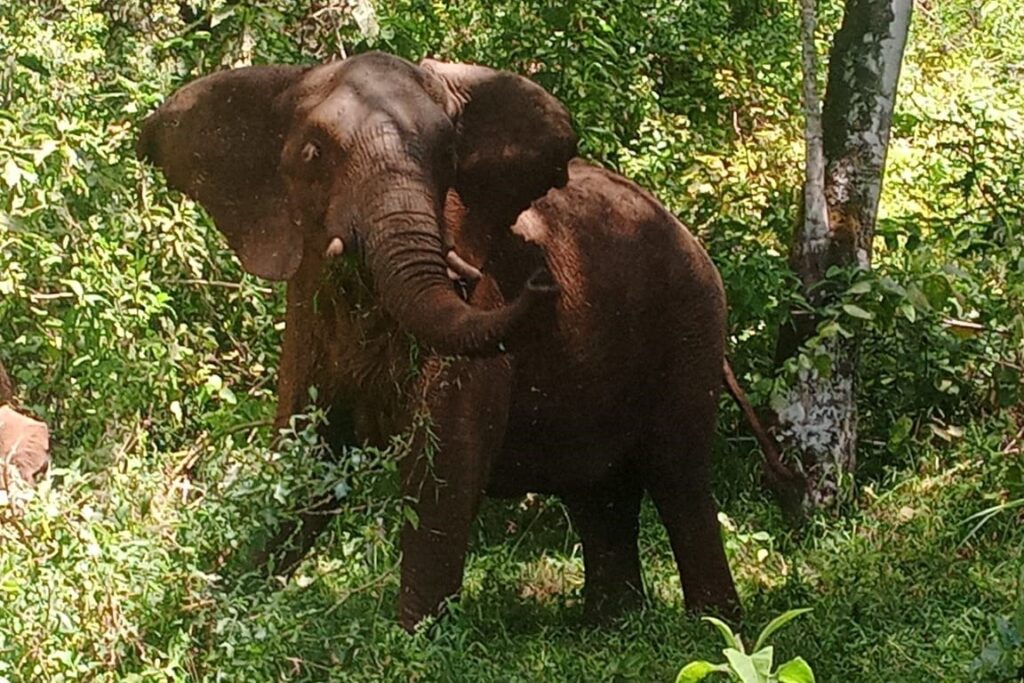
Mount Elgon’s forest elephants are known for their unique habit of venturing into the mountain’s caves to mine natural salt. Usually shy and mostly active at dusk, they leave behind distinctive tracks and smooth cave walls—quiet reminders of their hidden presence in the park.
Genet Cat
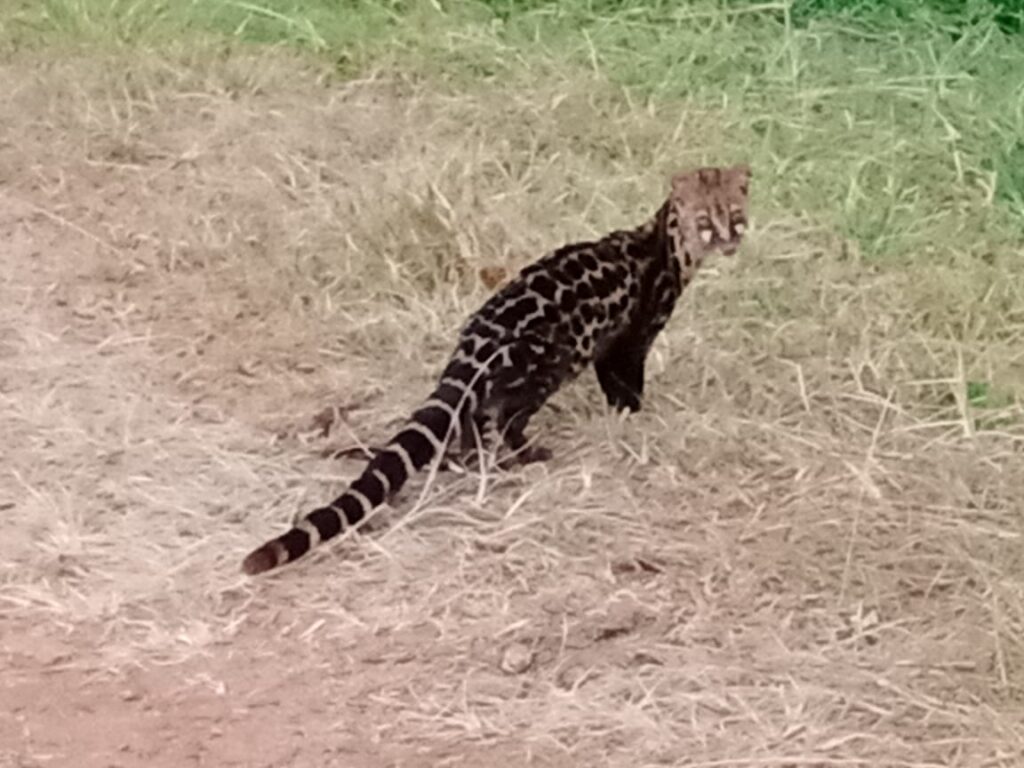
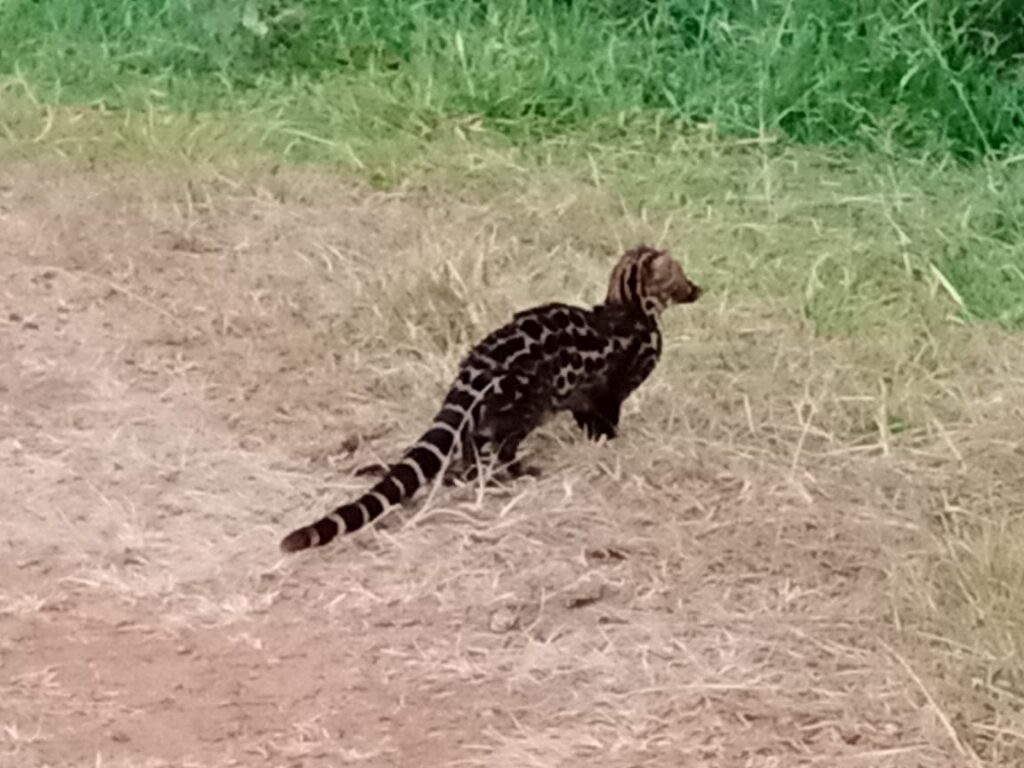
The genet cat is a small, nocturnal carnivore that prowls Mount Elgon’s forests and woodland edges. With its sleek, spotted coat and agile movements, it is rarely seen but plays an important role in controlling small mammals and insects.
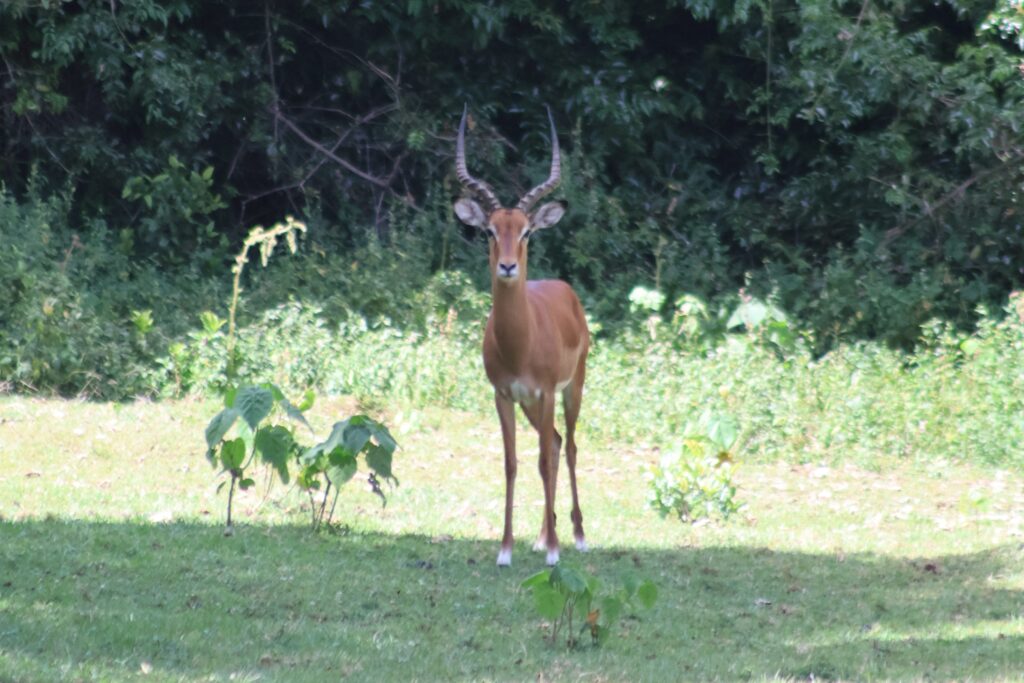
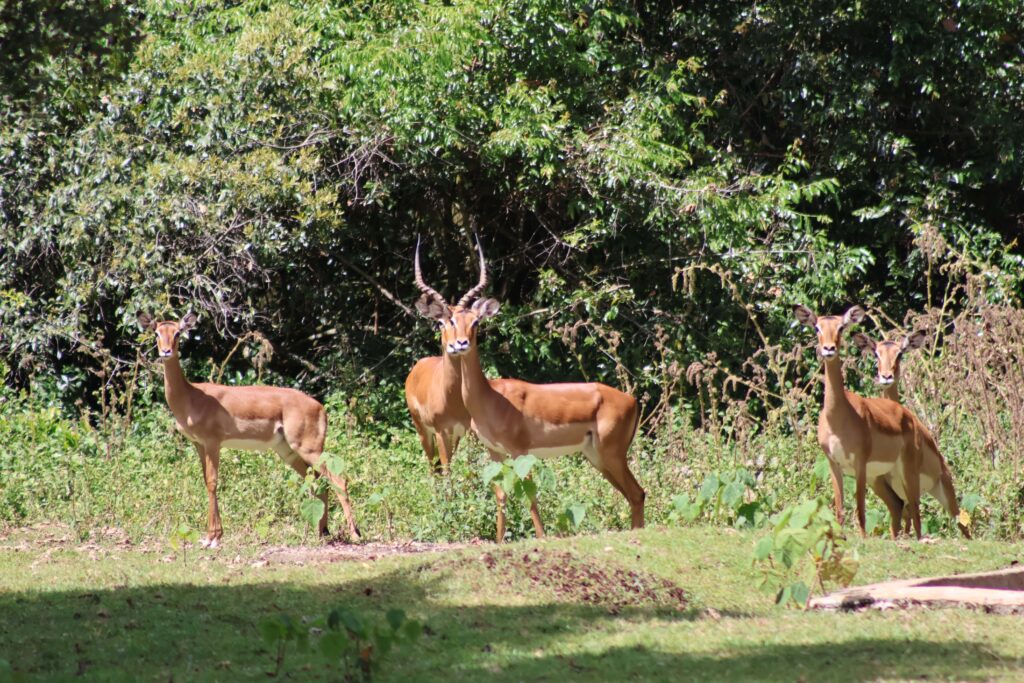
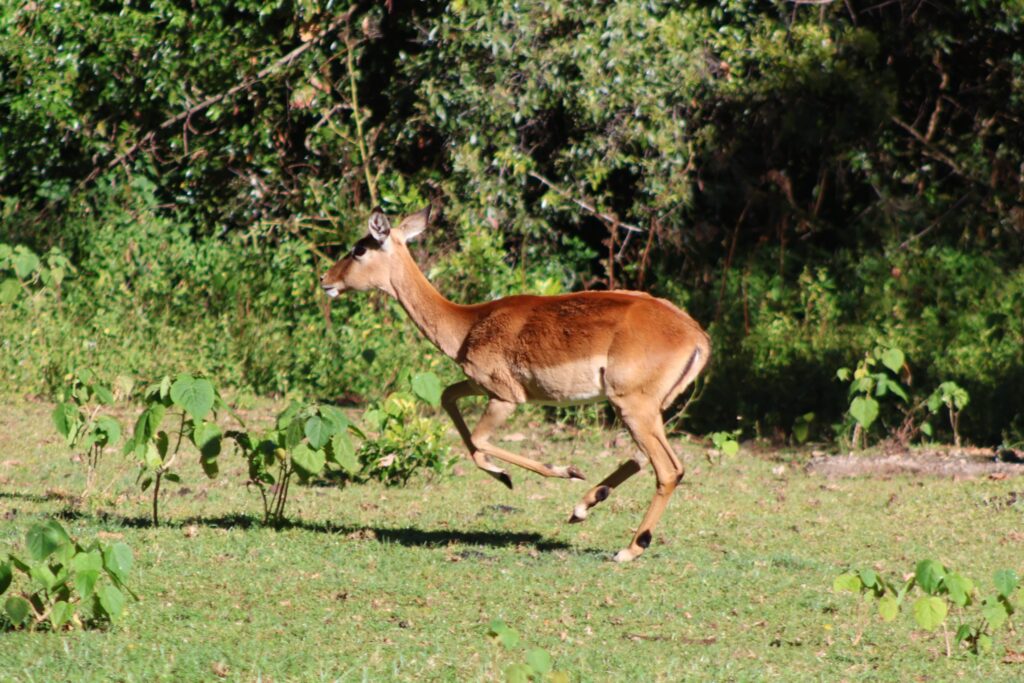
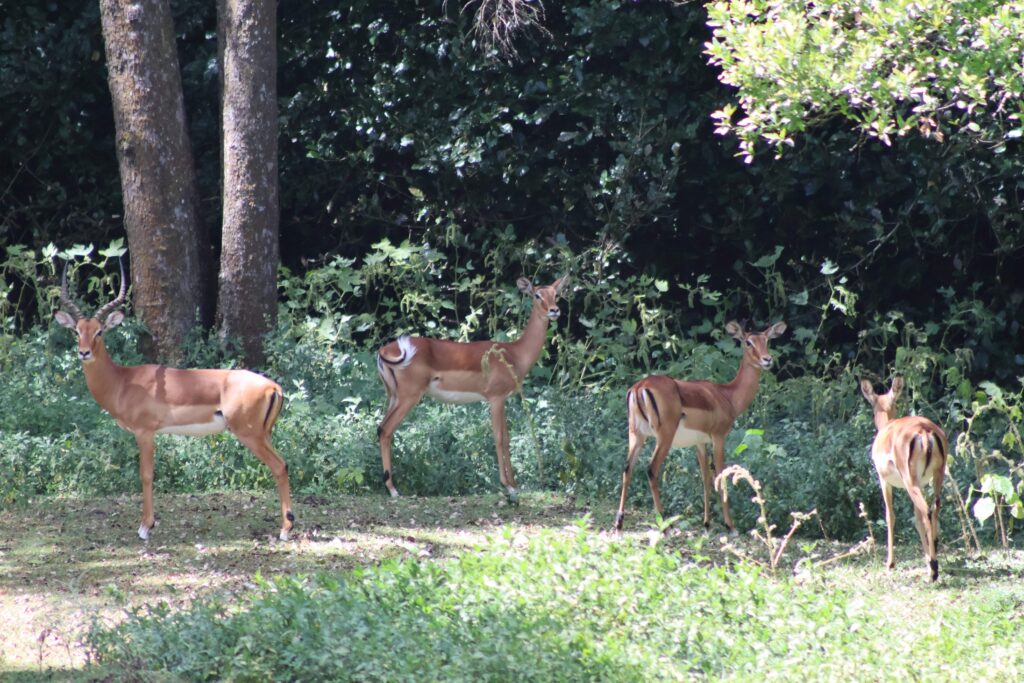
Impala
The impala is one of Mount Elgon’s most agile and eye-catching antelopes, often seen grazing in open glades or bounding gracefully across the foothills. Known for their sleek reddish coats and remarkable jumping ability, they add lively movement and elegance to the park’s quieter woodland and grassland areas.
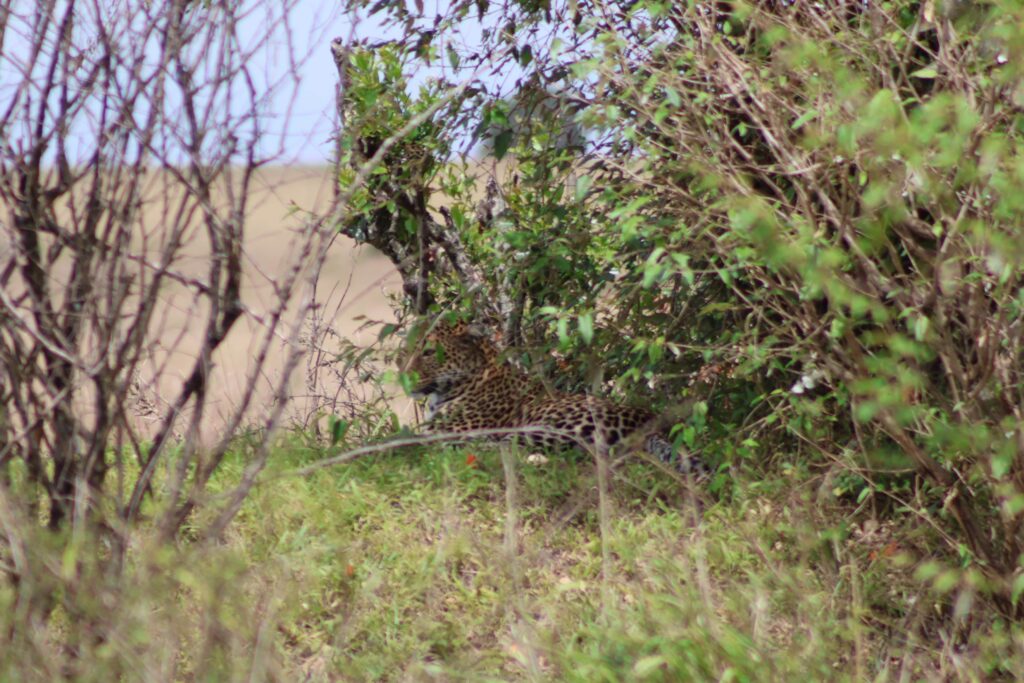
Leopard
The leopard in Mount Elgon is a solitary and elusive predator, mostly active at dawn and dusk. Its spotted coat allows it to blend seamlessly into the forest and moorland, making sightings rare but unforgettable for lucky visitors.
Symbolic Image: Was made in Masai Mara, capturing in Mt. Elgon was not possible yet.
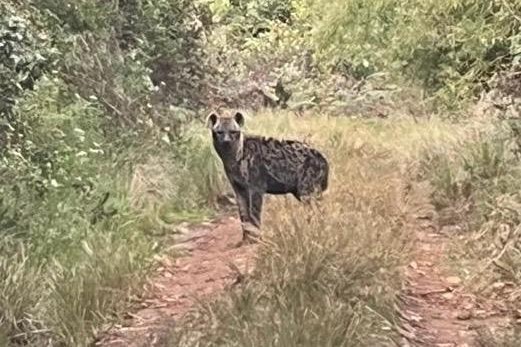
Spotted Hyena
The spotted hyena is a powerful and adaptable predator in Mount Elgon, mostly active at night. Often seen near forest edges or open areas, it plays a key role in the ecosystem as a scavenger and hunter, known for its distinctive laugh-like calls and strong social groups.
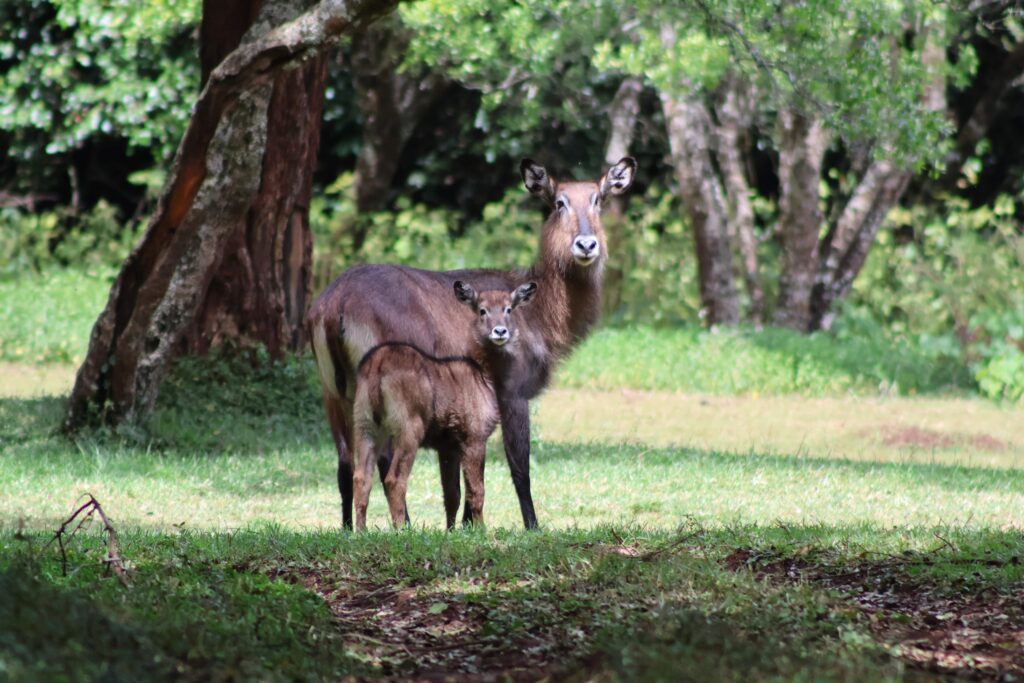
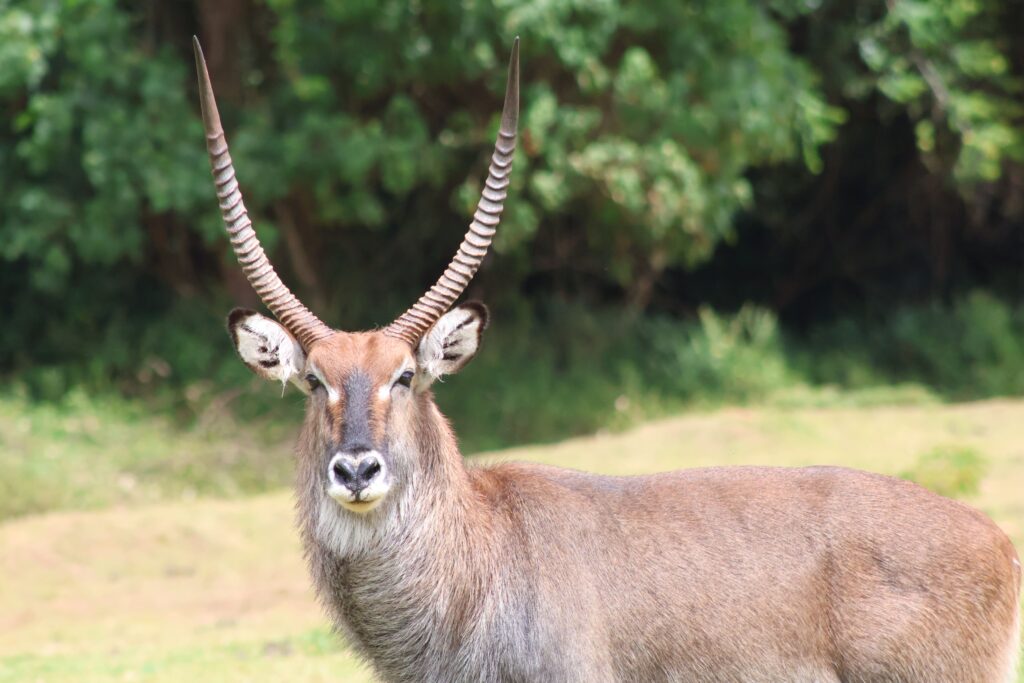
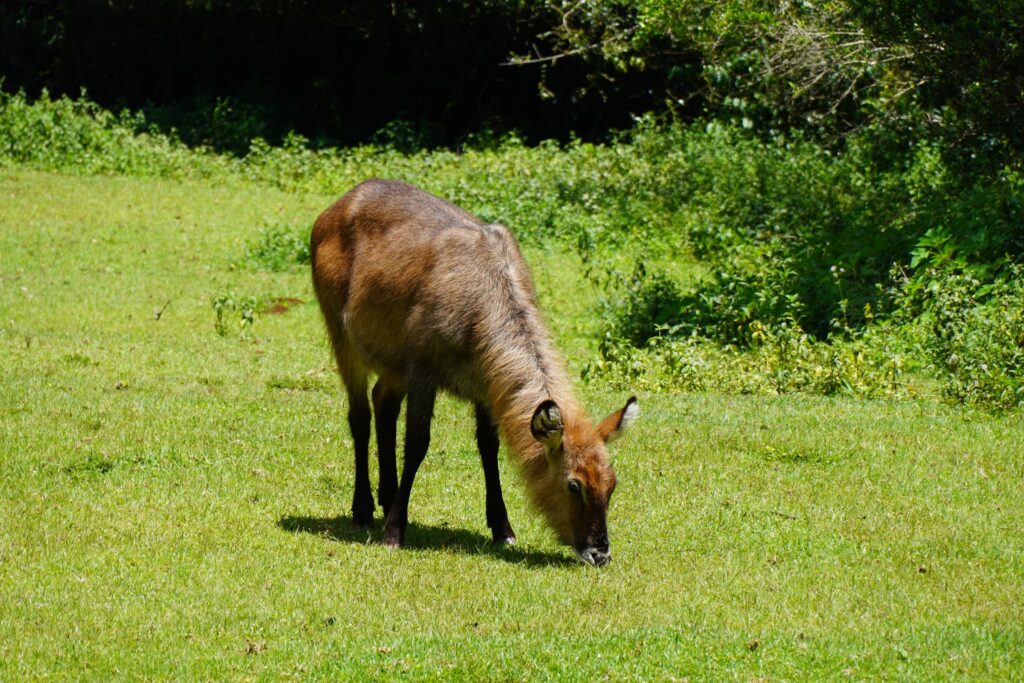
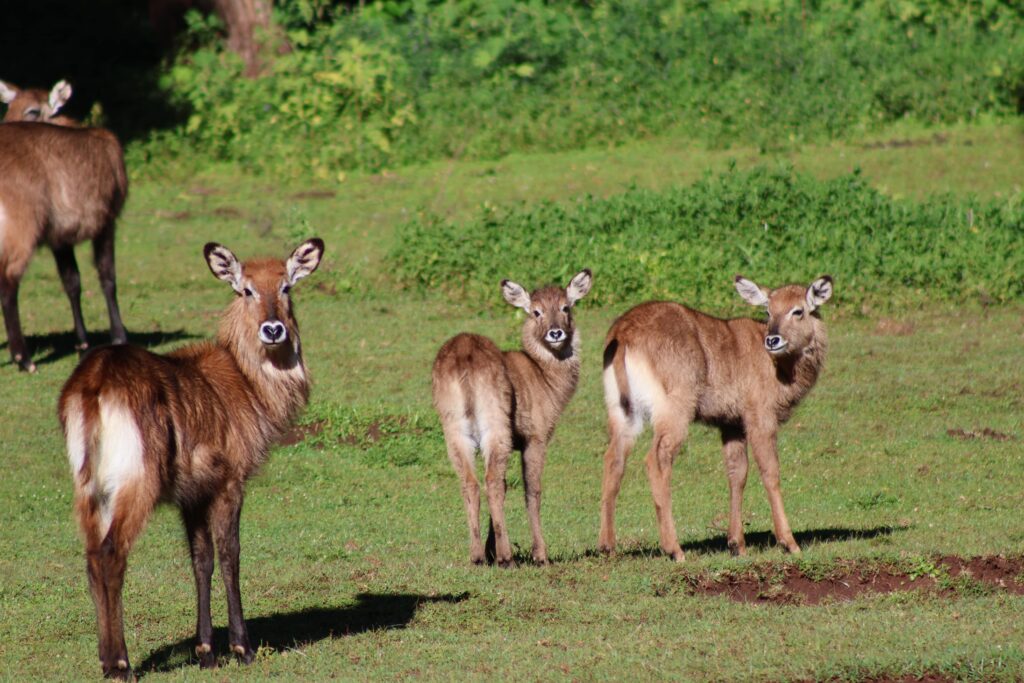
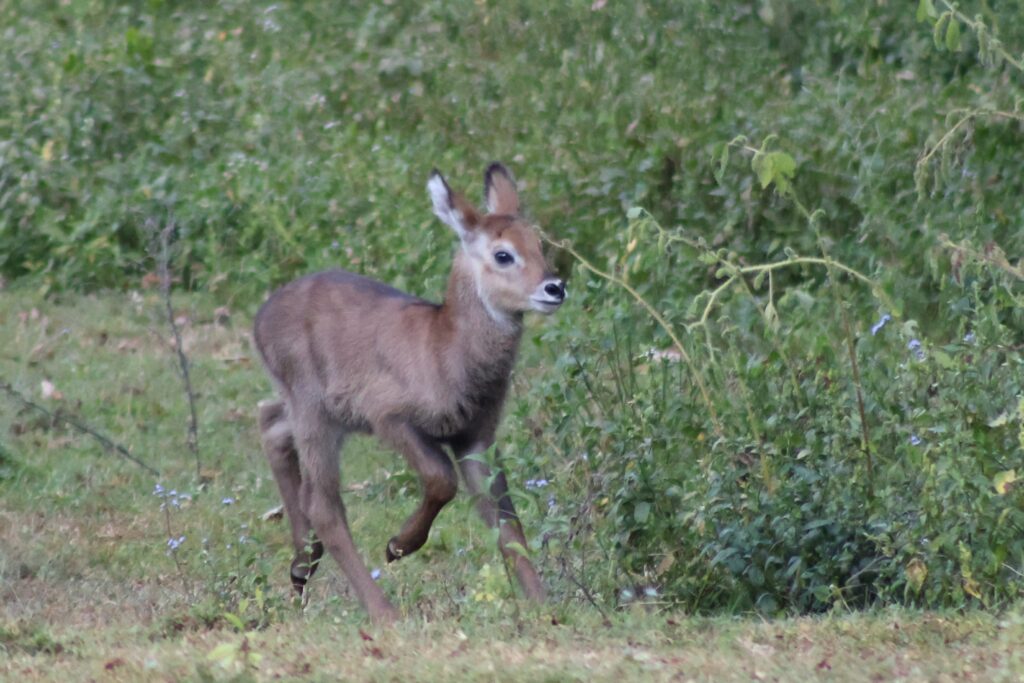
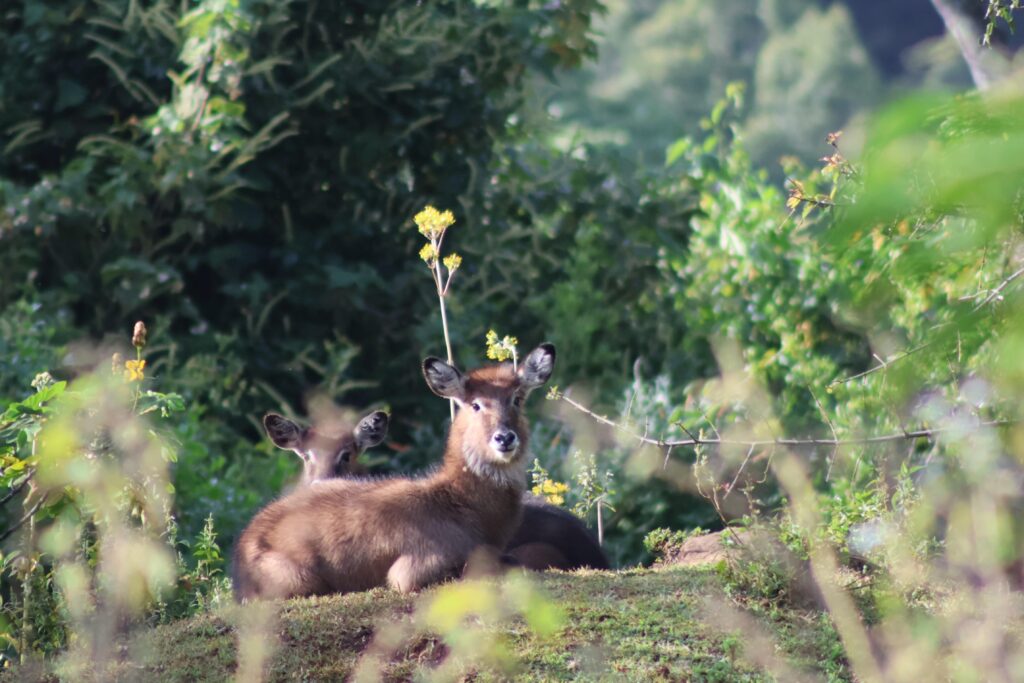
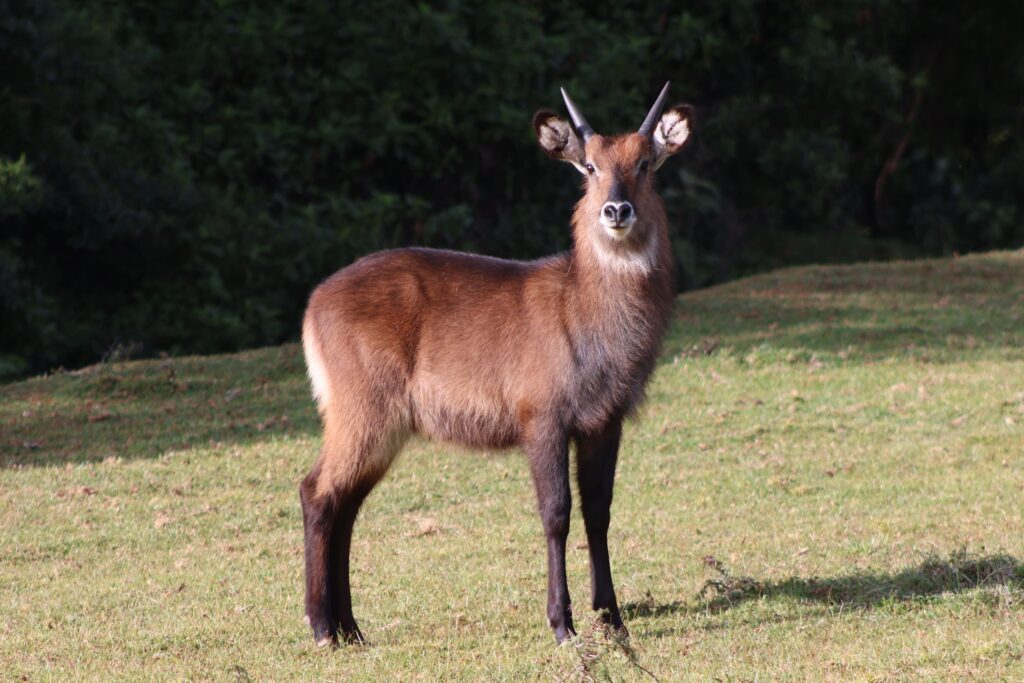
Waterbuck
The waterbuck is a sturdy antelope often found near Mount Elgon’s forest edges and wetland areas. With its shaggy coat and distinctive white rump ring, it’s easy to recognize as it grazes calmly in open clearings or keeps a watchful eye from the bush.
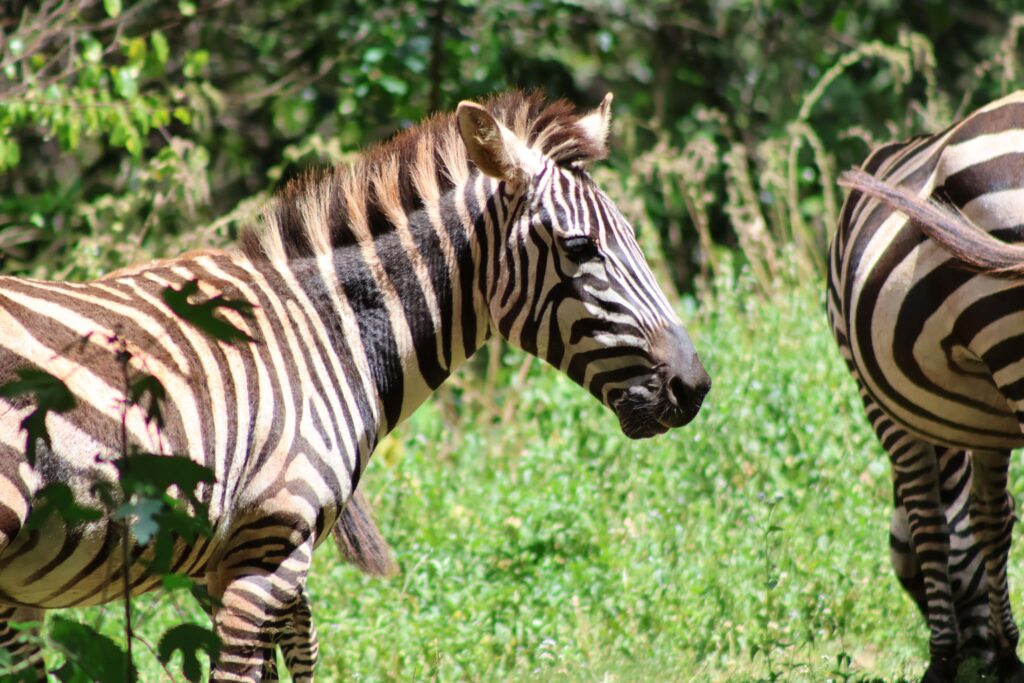
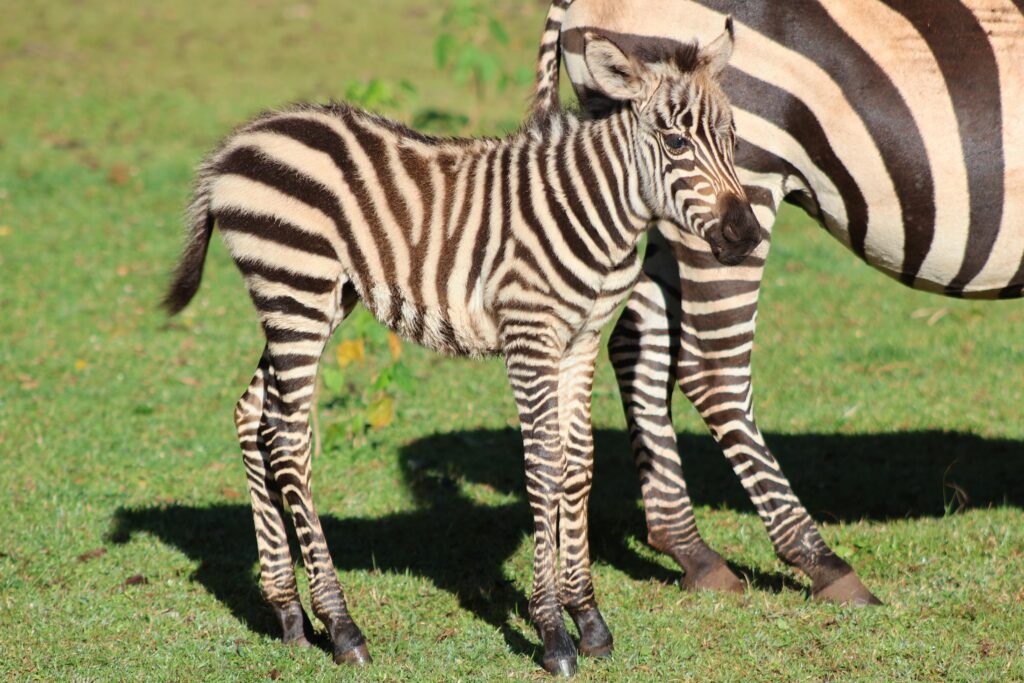
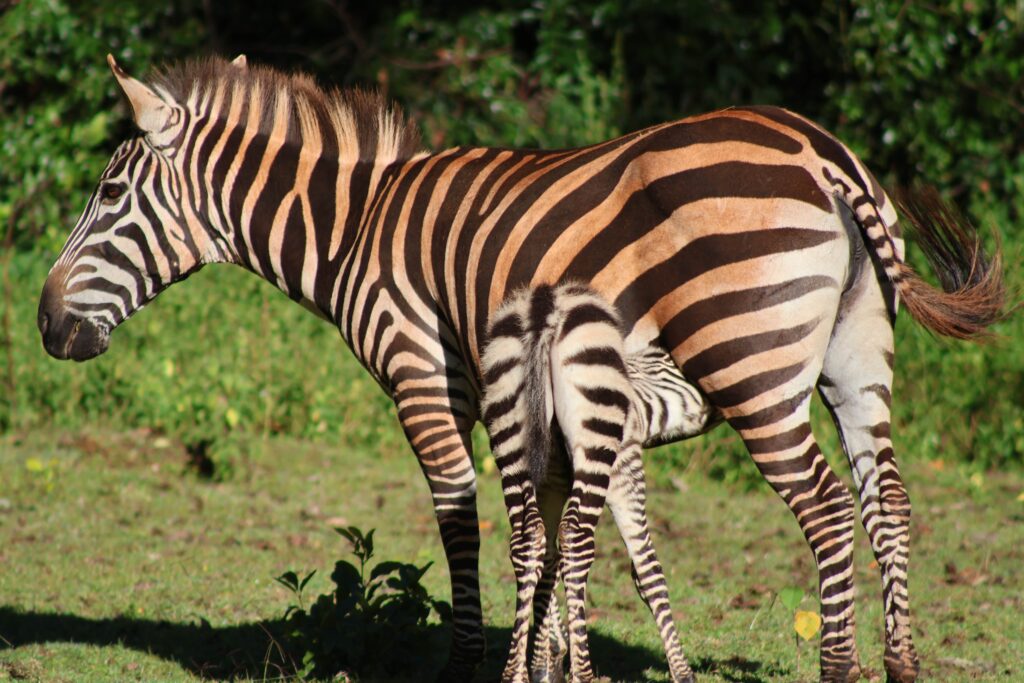
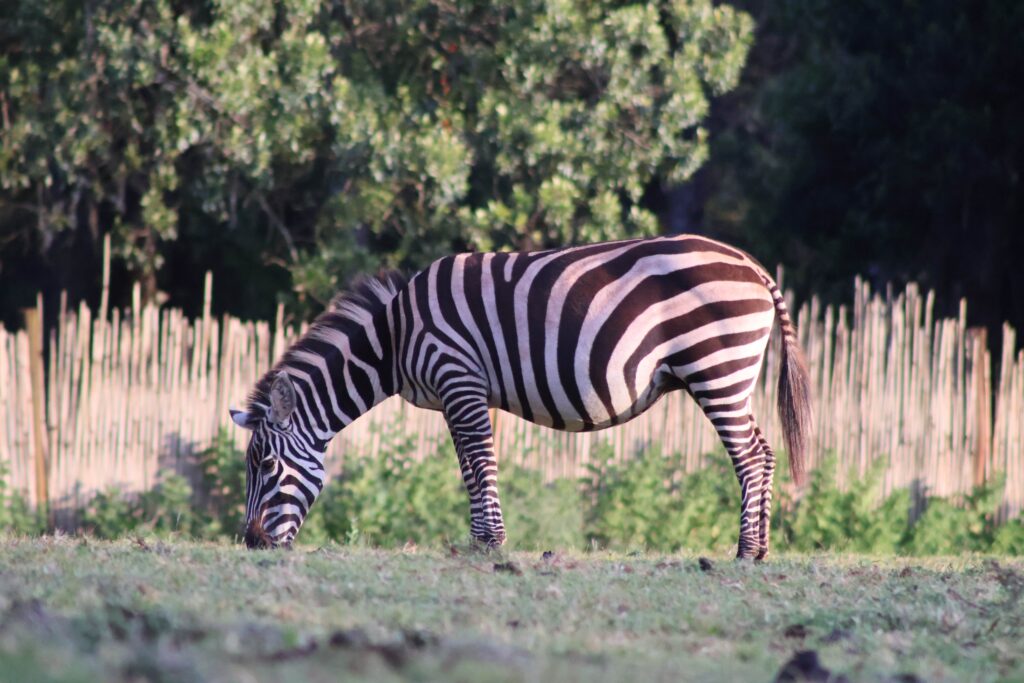
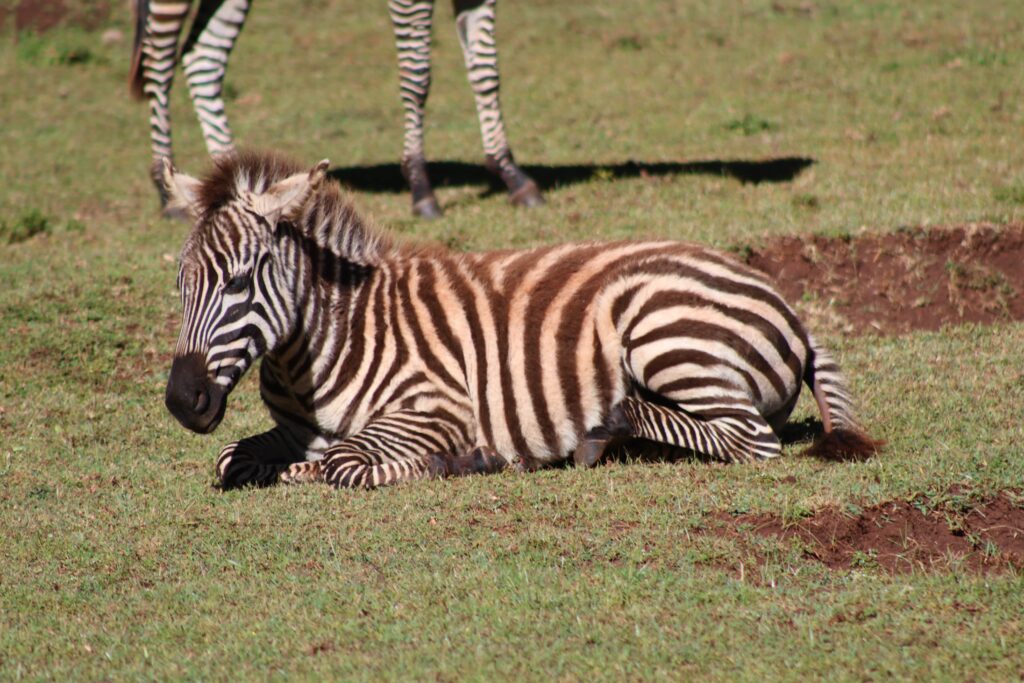
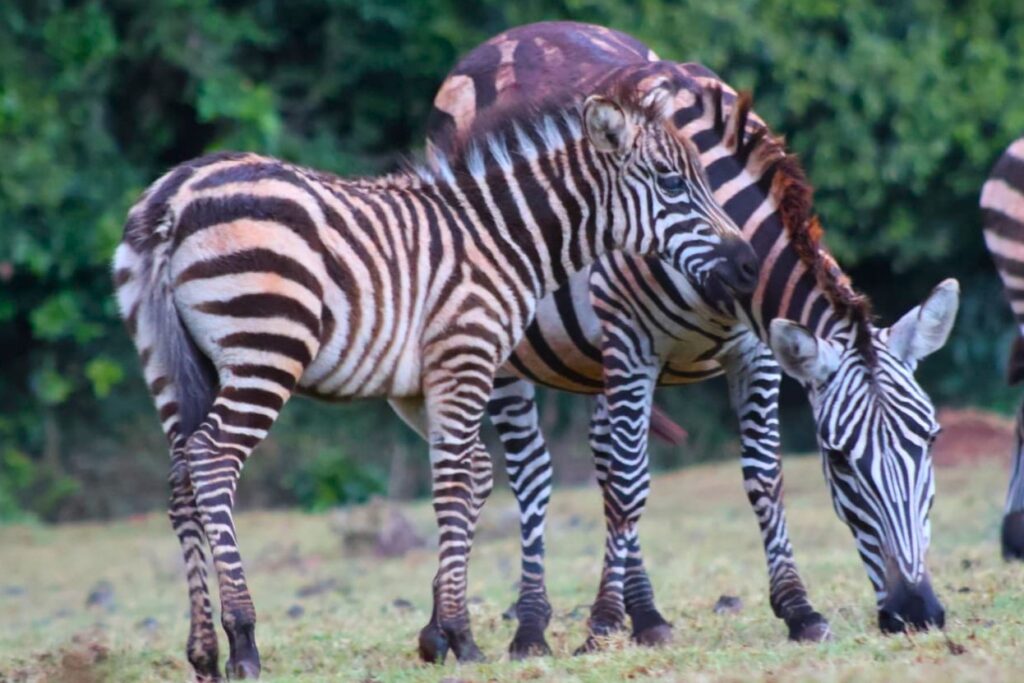
Zebra
Mount Elgon’s zebras roam the park’s open grasslands and moorland edges, their striking black-and-white stripes standing out against the greenery. Often seen grazing in small groups, they bring a dynamic, iconic presence to the mountain’s diverse wildlife.
Birds
Mount Elgon is a birdwatcher’s paradise, with over 300 species flitting through its forests, moorlands, and wetlands. From colorful turacos and sunbirds to majestic raptors, the park offers vibrant sights and sounds for anyone eager to explore its skies and treetops.
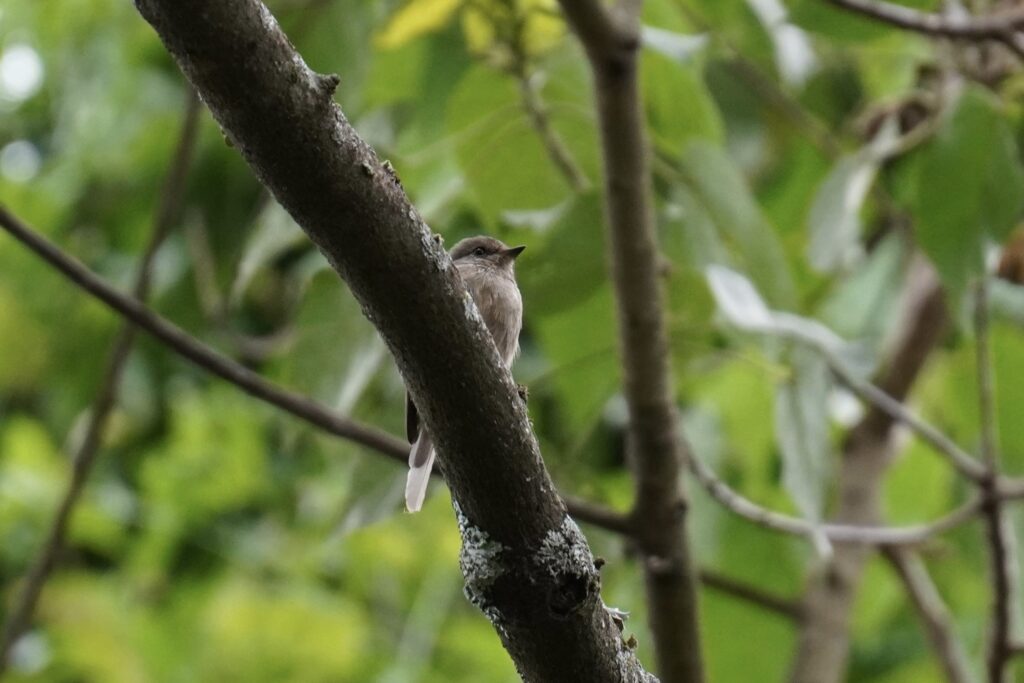
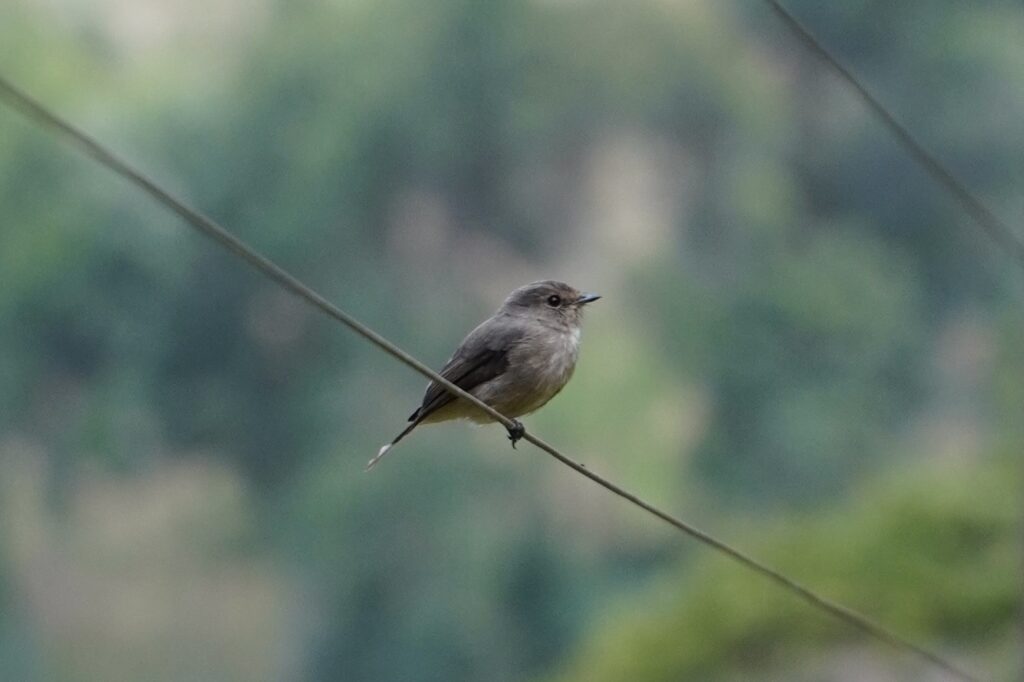
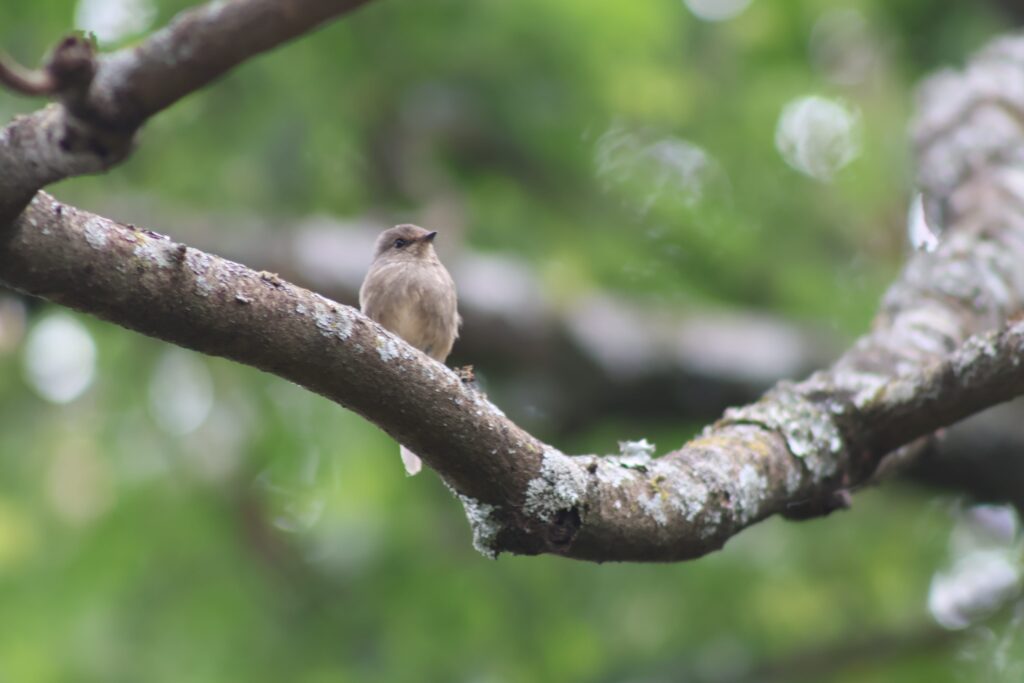
African Dusky Flycatcher
A quiet and unobtrusive forest bird, the African Dusky Flycatcher is often spotted in the shaded woodlands of Mount Elgon National Park. It has soft brownish-grey plumage with a slightly paler underside, helping it blend perfectly into its surroundings. True to its name, it feeds by patiently watching from a perch before darting out to catch flying insects mid-air. Its gentle presence and subtle calls make it a rewarding sighting for attentive birdwatchers exploring the park’s montane forests.
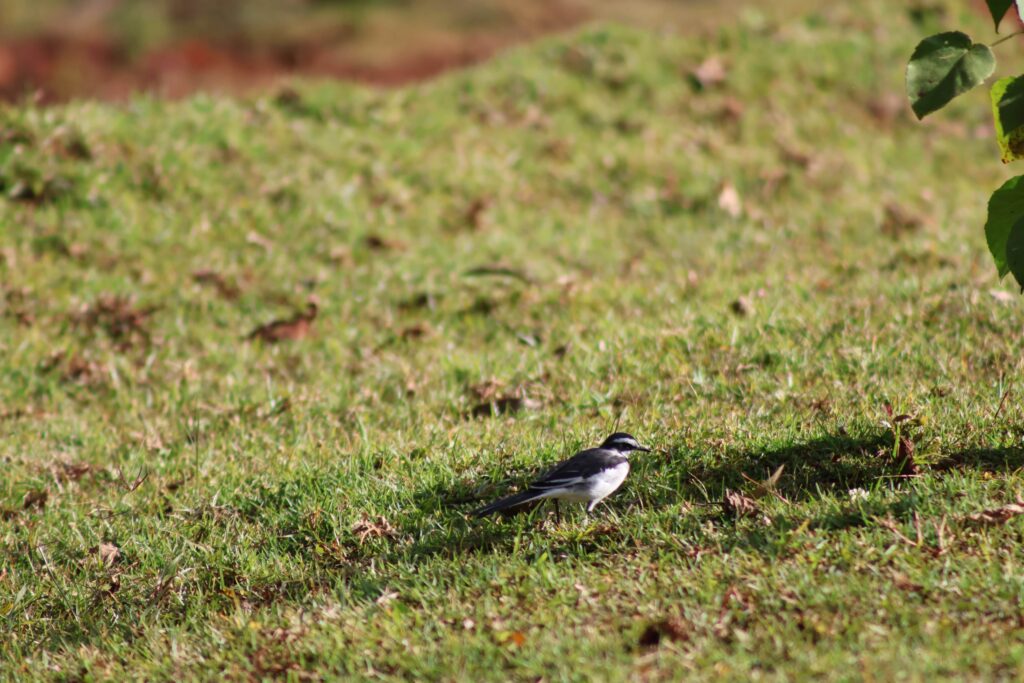
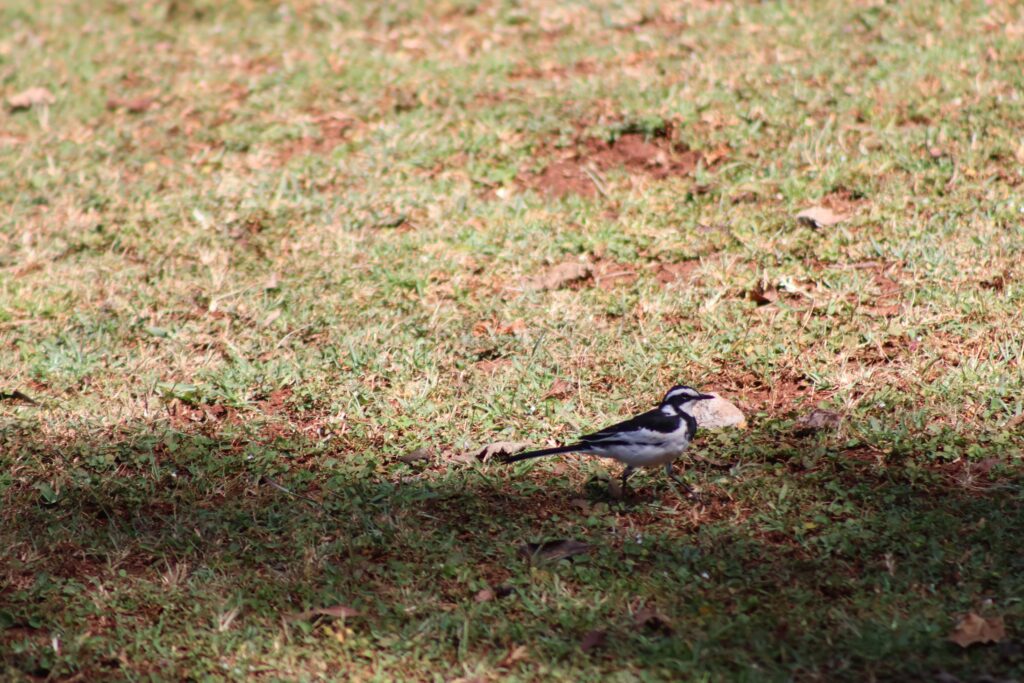
African Pied Wagtail
Easily recognized by its striking black-and-white plumage and constantly wagging tail, the African Pied Wagtail is a lively and familiar sight around rivers, streams, and open areas of Mount Elgon National Park. It forages actively on the ground, picking up insects and small invertebrates, often near water. Confident and energetic, this adaptable bird adds movement and character to the park’s landscapes and is a favorite among visitors for its bold behavior and elegant appearance.
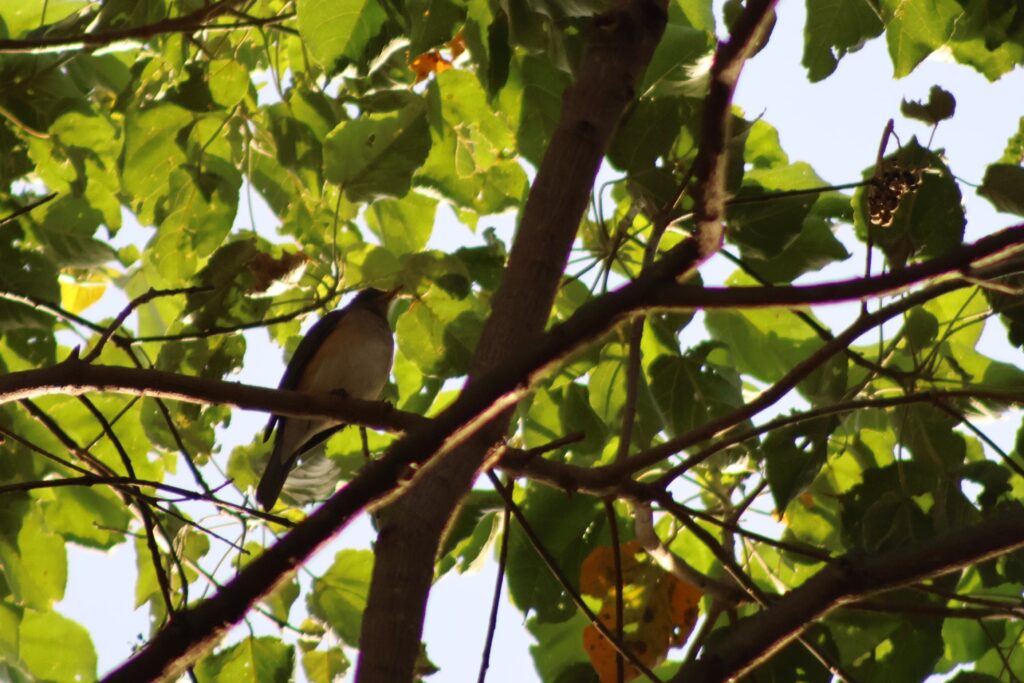
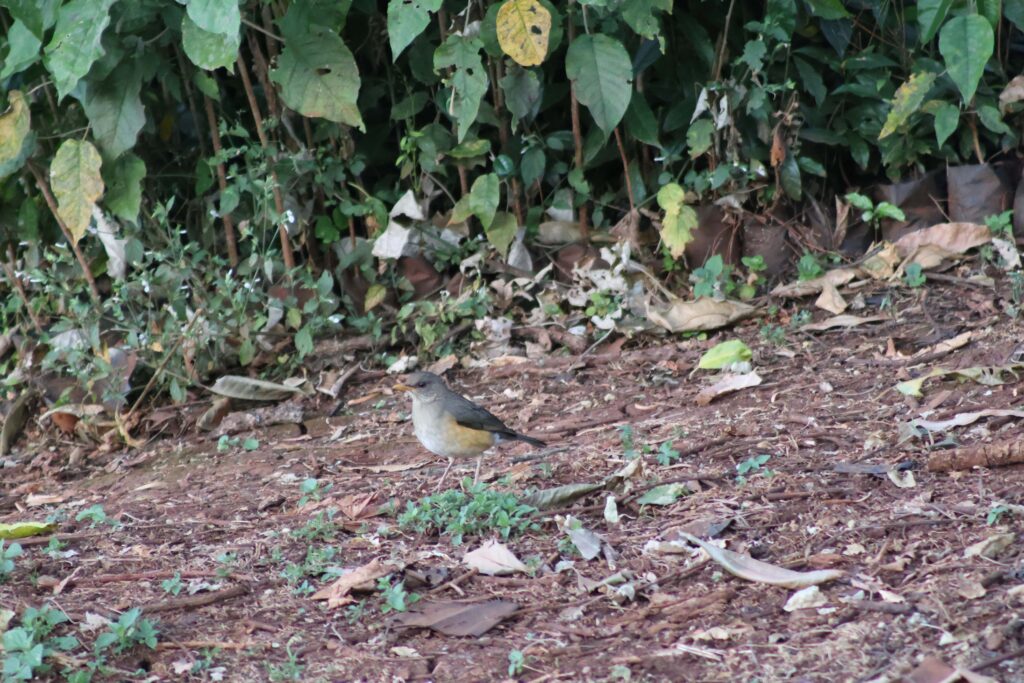
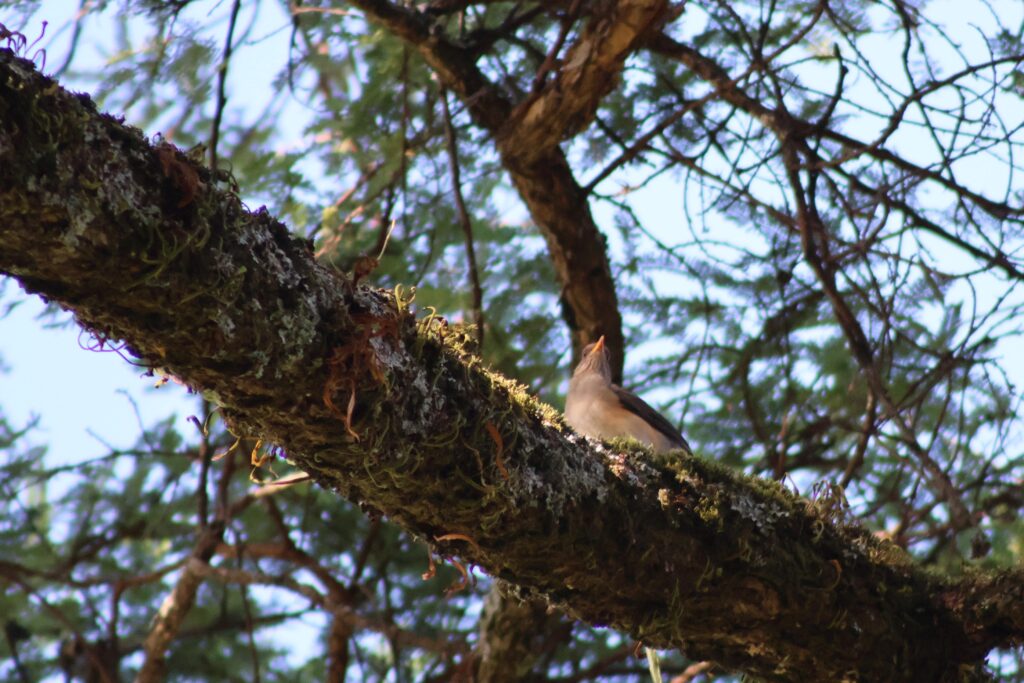
African Thrush
With its warm brown upperparts and pale, lightly spotted chest, the African Thrush is a common and welcoming presence in the forests and forest edges of Mount Elgon National Park. Often heard before it is seen, it sings a rich, melodious song from trees, especially in the early morning. Feeding on insects, fruits, and berries, this adaptable bird plays an important role in the forest ecosystem and is a pleasant encounter for hikers and bird enthusiasts alike.
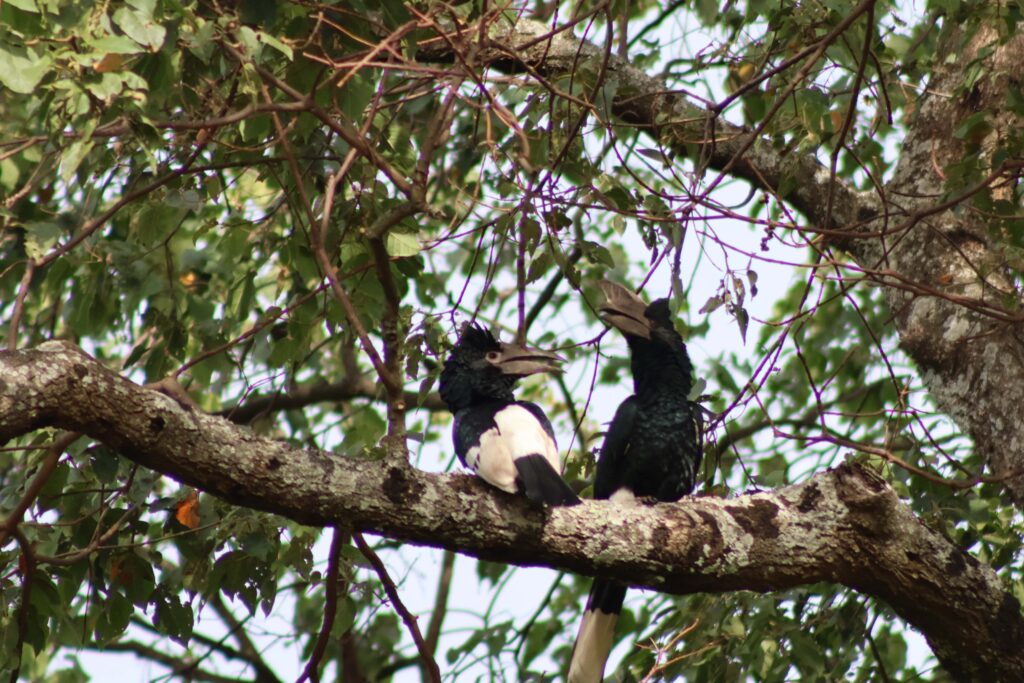
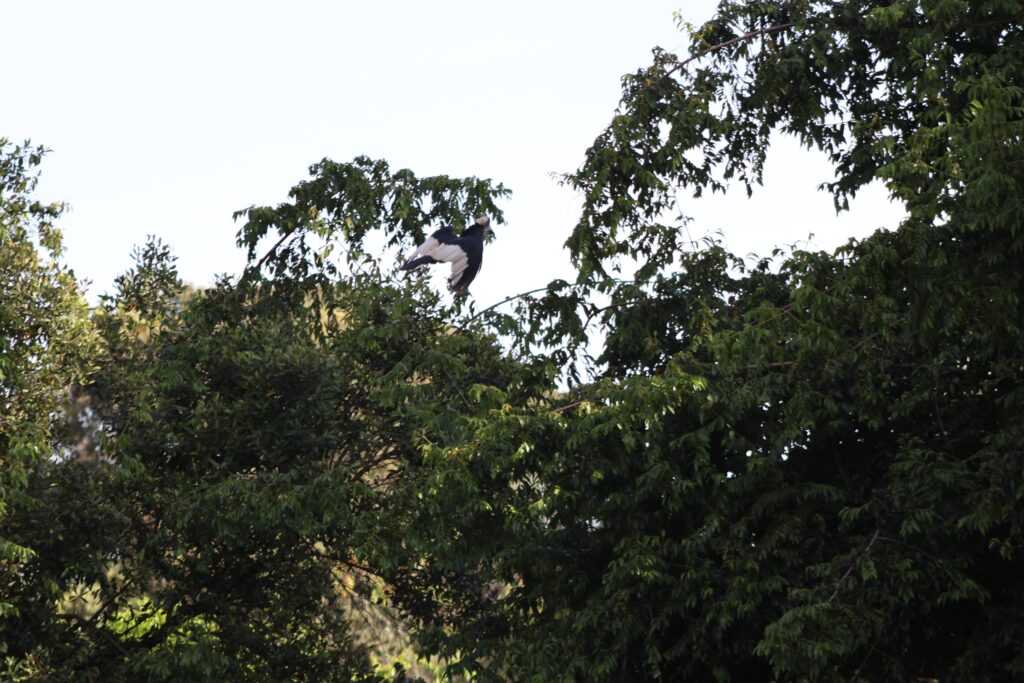
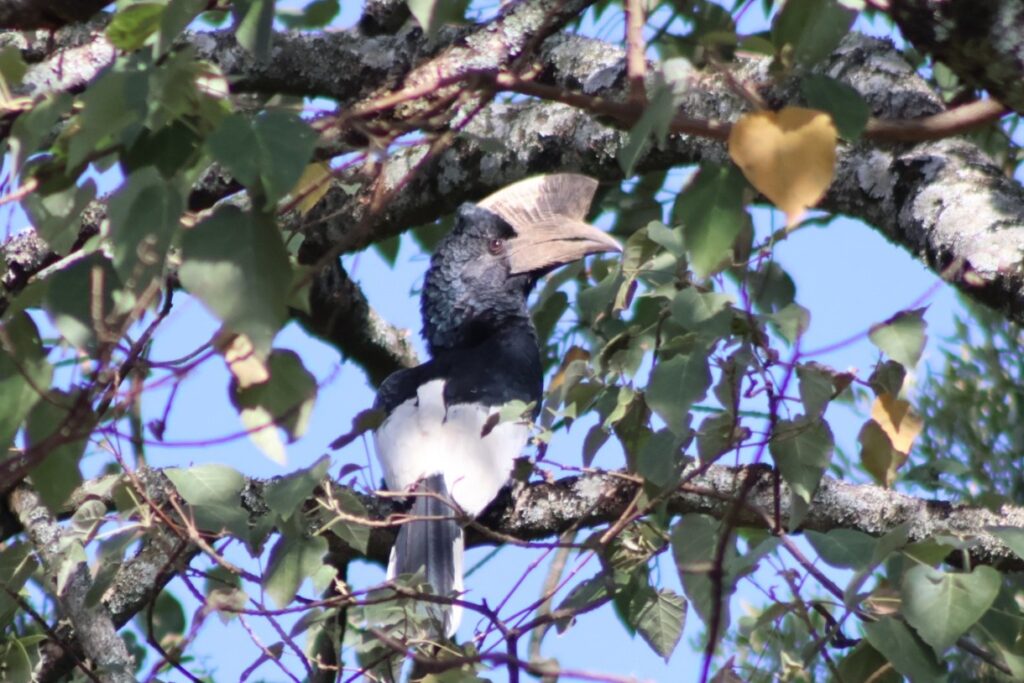
Black and White-Caqued Hornbill
Striking and unmistakable, the Black-and-white-casqued Hornbill is one of the signature birds of Mount Elgon National Park’s forests. It is easily recognized by its bold black-and-white plumage and large curved bill topped with a prominent casque. Often seen flying high above the canopy or calling loudly from tall trees, it feeds mainly on fruits, along with insects and small animals. Its powerful wingbeats and dramatic appearance make it an unforgettable highlight for visitors exploring the park’s rich birdlife.
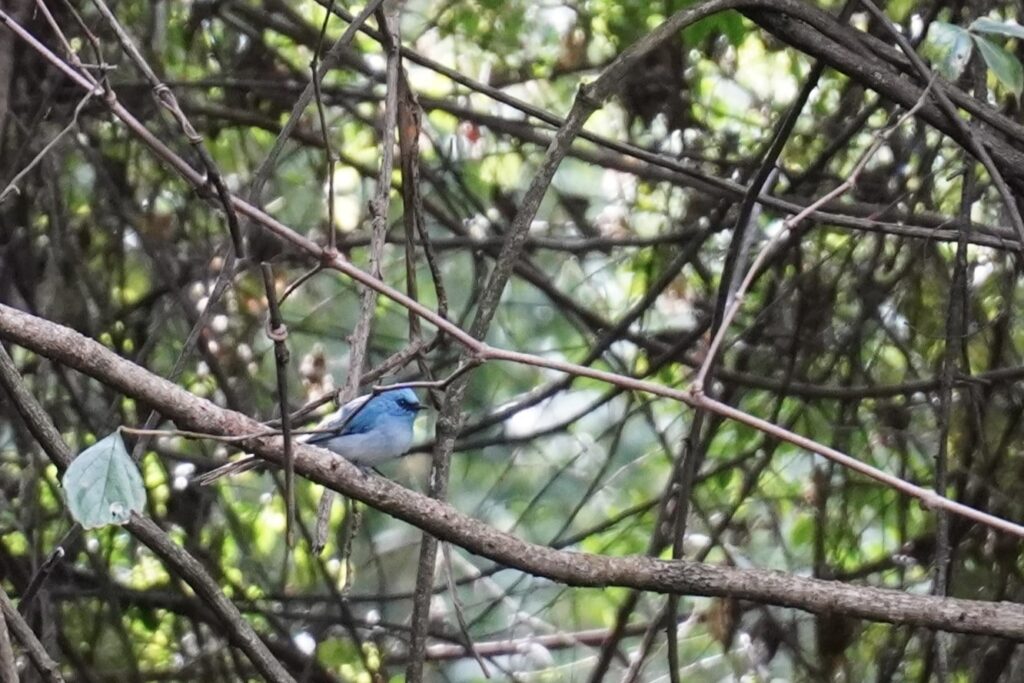
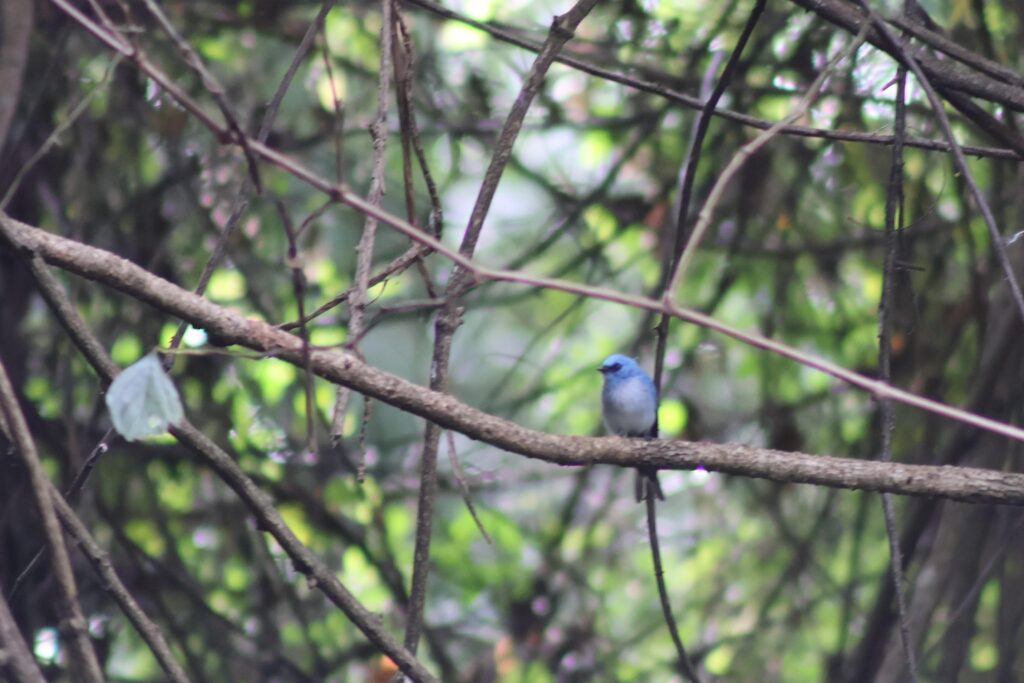
Blue Flycatcher
The montage francolin is a secretive, ground-dwelling bird found in Mount Elgon’s highland forests and moorlands. With its patterned brown plumage, it blends seamlessly into the undergrowth, often heard before it is seen as it calls with a distinctive, ringing call.
Brimstone Canary
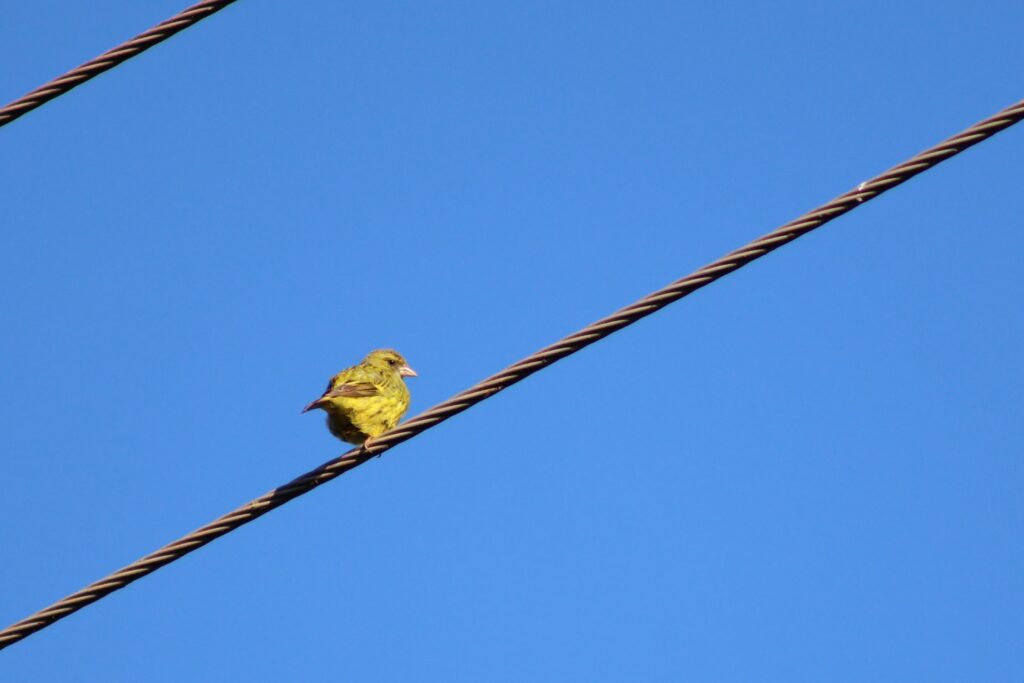
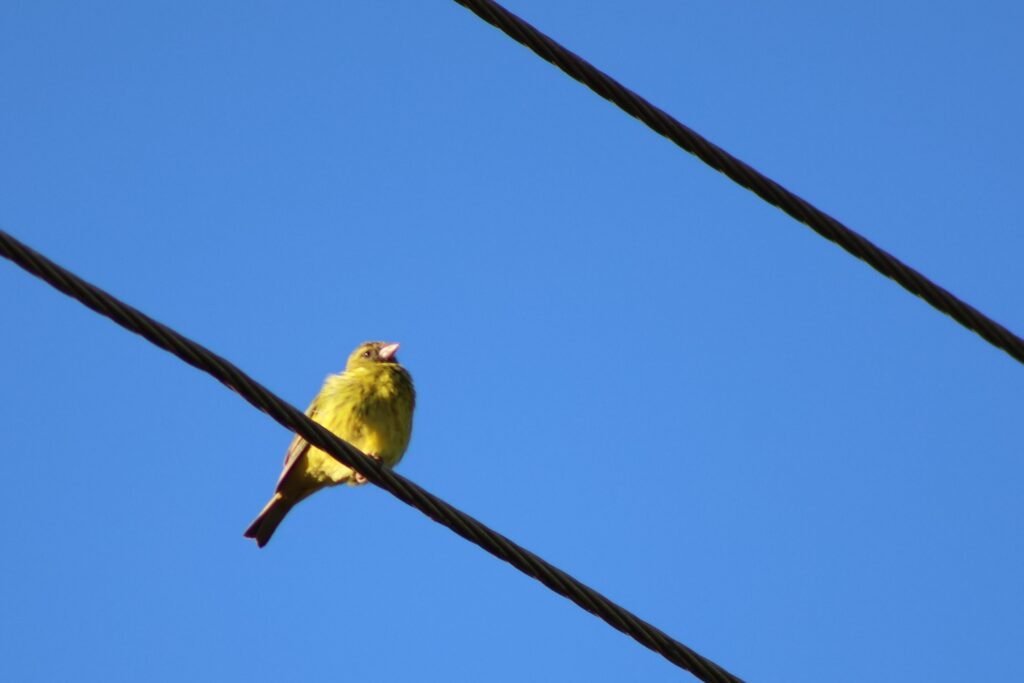
Bright and cheerful, the Brimstone Canary brings flashes of vivid yellow to the open grasslands, forest edges, and clearings of Mount Elgon National Park. Males are especially striking with their lemon-yellow plumage, while females appear slightly duller. Often seen in pairs or small groups, it feeds mainly on seeds and occasionally insects. Its pleasant twittering calls and lively presence make it a charming species for visitors exploring the park’s diverse habitats.
Cardinal Woodpecker
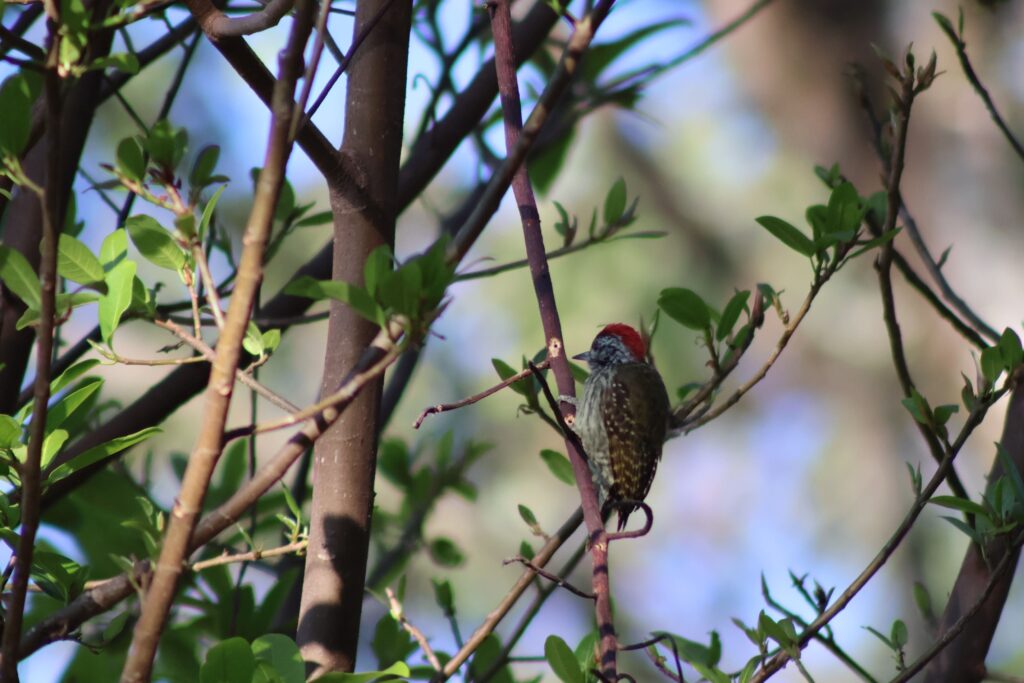
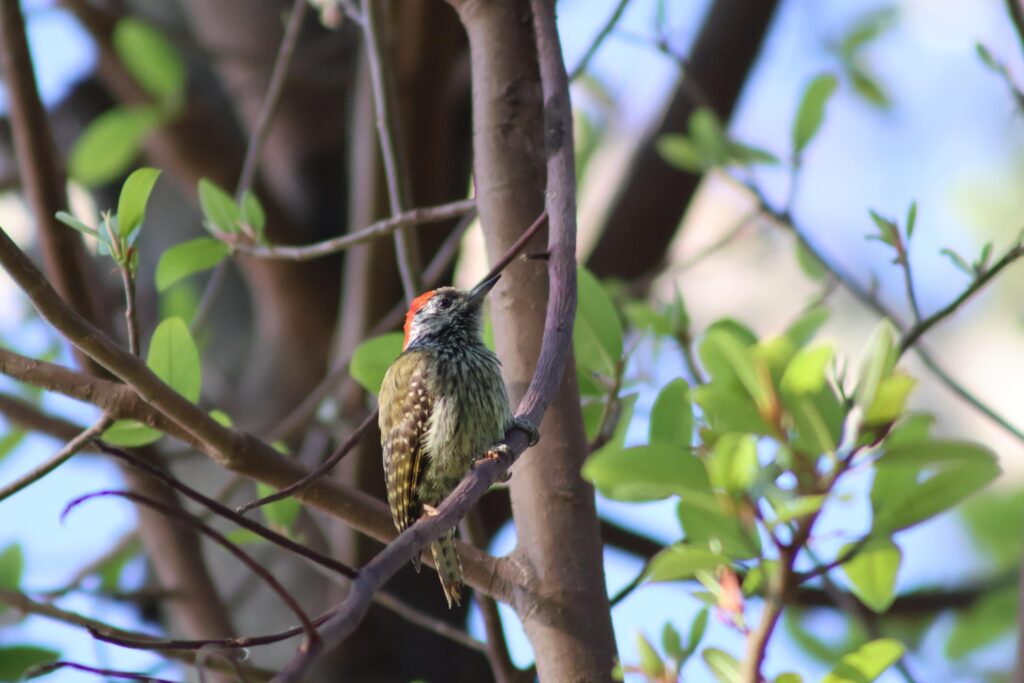
Small but energetic, the Cardinal Woodpecker is a lively resident of Mount Elgon National Park’s forests and wooded areas. It is easily identified by its bold black-and-white patterned back and the bright red crown of the male. Often heard before it is seen, this woodpecker taps and drums on tree trunks and branches while searching for insects hidden beneath the bark. Its active behavior and distinctive markings make it an engaging bird to watch along forest trails.
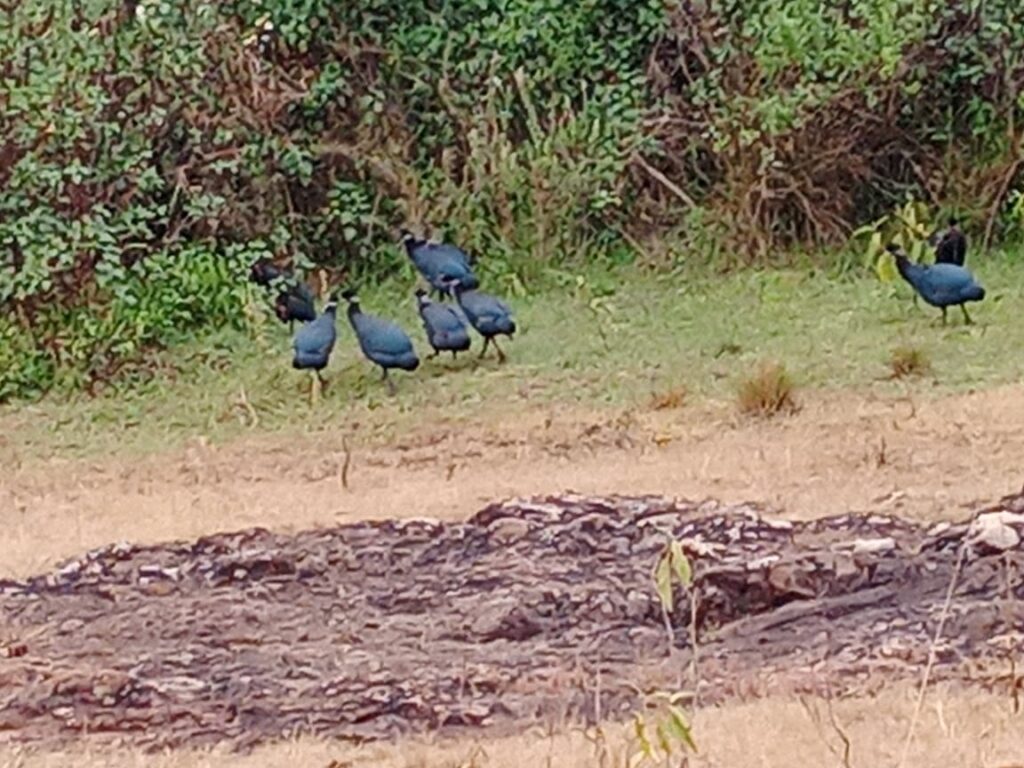
Crested Guineafowl
The crested guineafowl is a ground-dwelling bird commonly seen in Mount Elgon’s forest undergrowth. Recognizable by its spiky crest and spotted plumage, it forages in small groups, scratching through leaf litter for seeds, insects, and fruits.
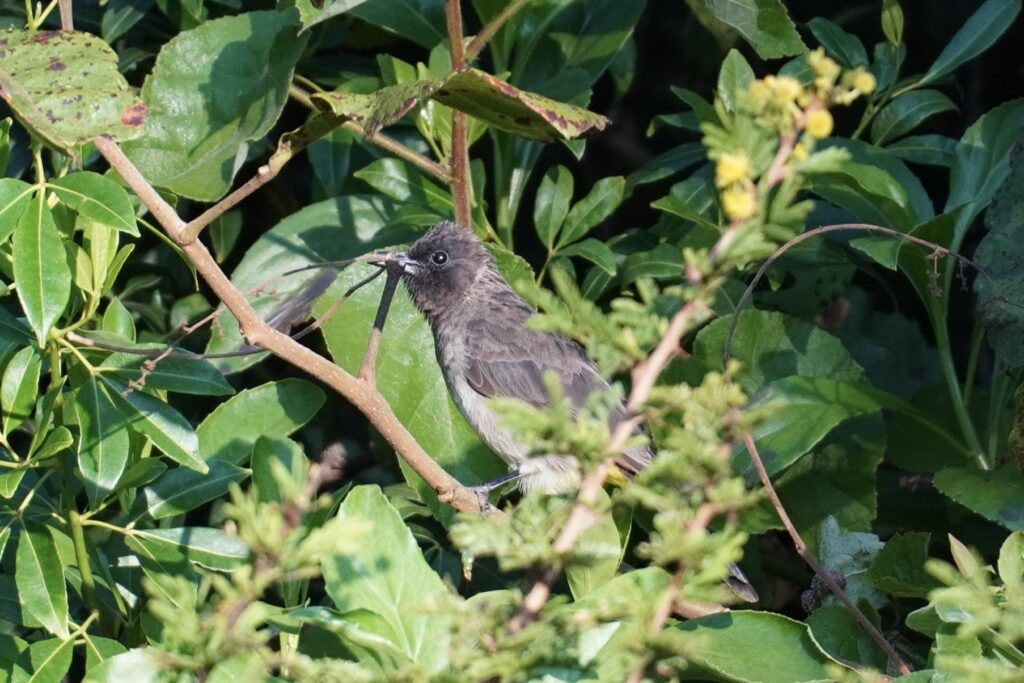
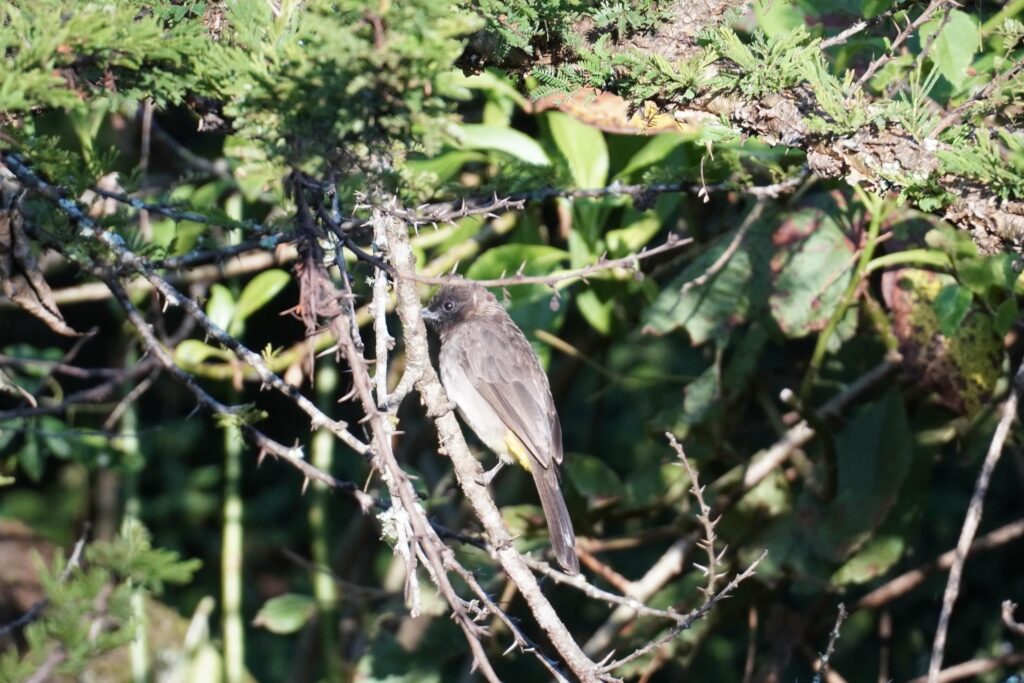
Common Bulbul
The Common Bulbul is one of the most familiar and vocal birds around Mount Elgon National Park. With its brownish body, pale underside, and distinctive dark head, it is often seen in forest edges, gardens, and open woodland. Energetic and sociable, it feeds on fruits, nectar, and insects. Its cheerful calls and constant activity make it a lively companion along trails and near campsites, adding sound and movement to the park’s natural setting.
Little Bee-Eater
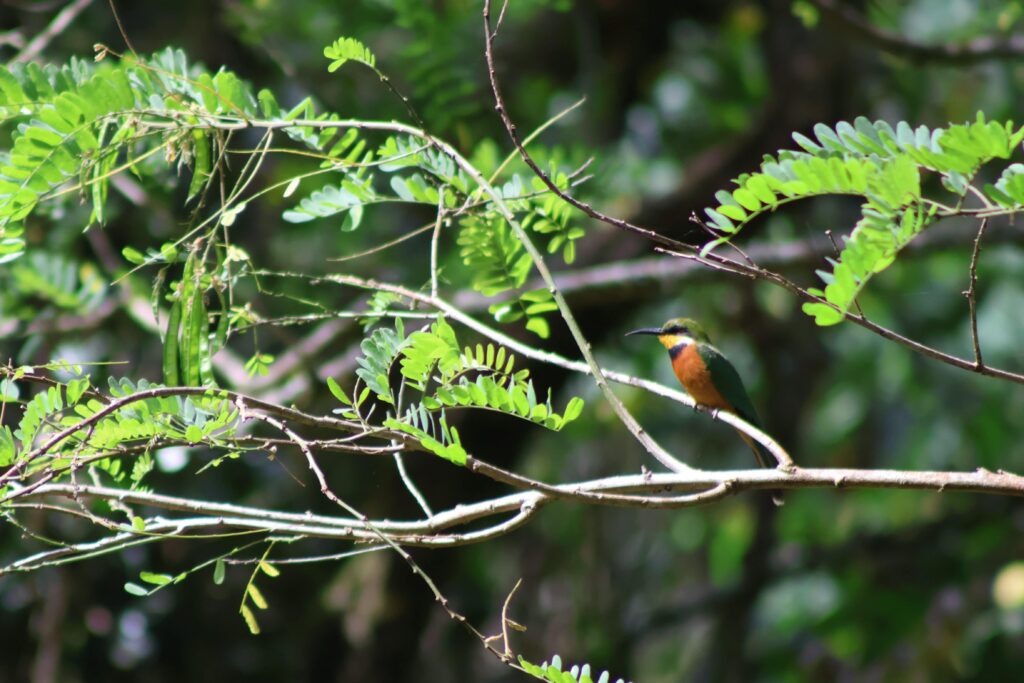
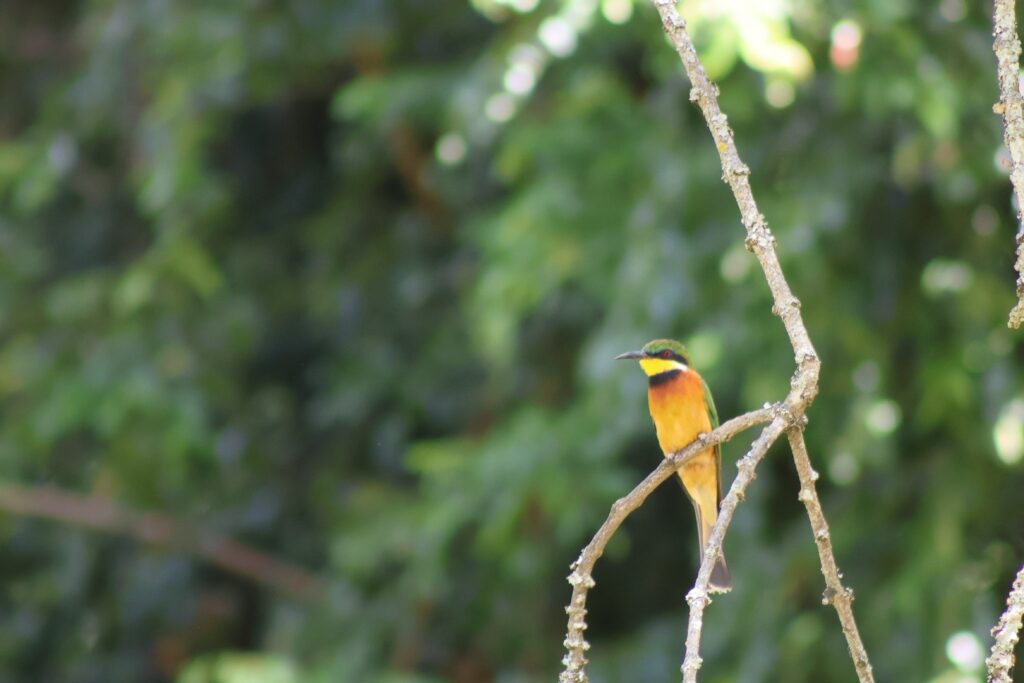
Colorful and elegant, the Little Bee-eater is a delightful sight in the open areas and forest edges of Mount Elgon National Park. It displays bright green plumage with a slender body, long central tail feathers, and a sharp black eye stripe. Often seen perched on low branches or shrubs, it makes quick, graceful flights to catch insects—especially bees and wasps—before returning to its perch. Its vivid colors and agile movements make it a favorite among visitors and photographers alike.
Northern Black-Flycatcher
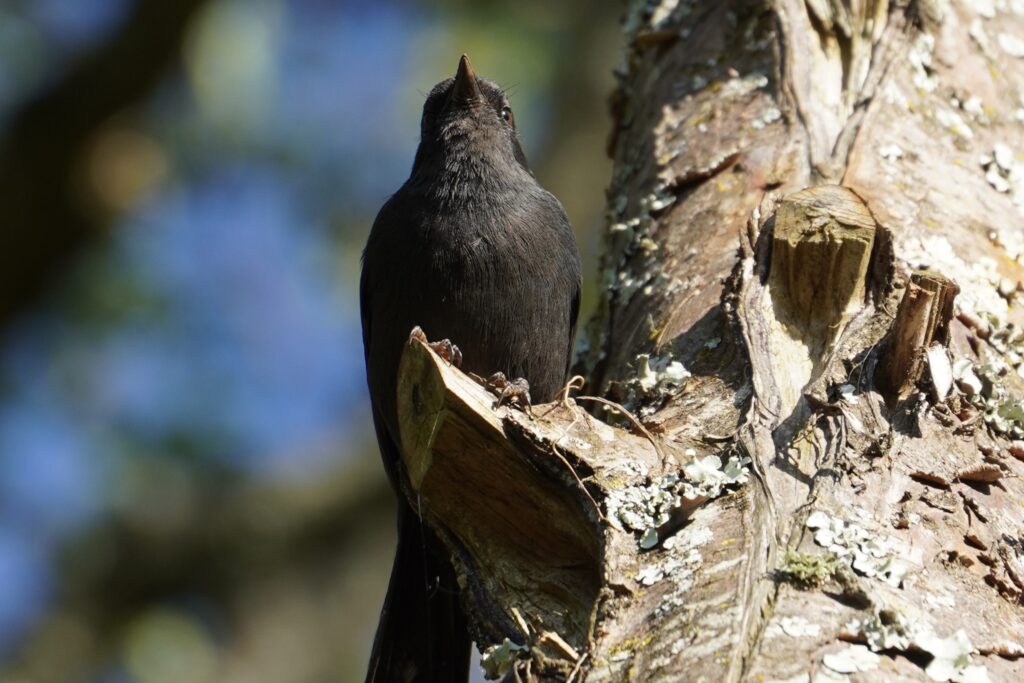
Smart and confident, the Northern Black Flycatcher is a striking bird with glossy black plumage and an upright posture. In Mount Elgon National Park it is often seen in forest edges, clearings, and woodland, perched prominently while scanning for insects. From its lookout, it makes swift sallies into the air to catch prey before returning to the same perch. Its bold appearance and active hunting style make it an easy and rewarding species to observe.
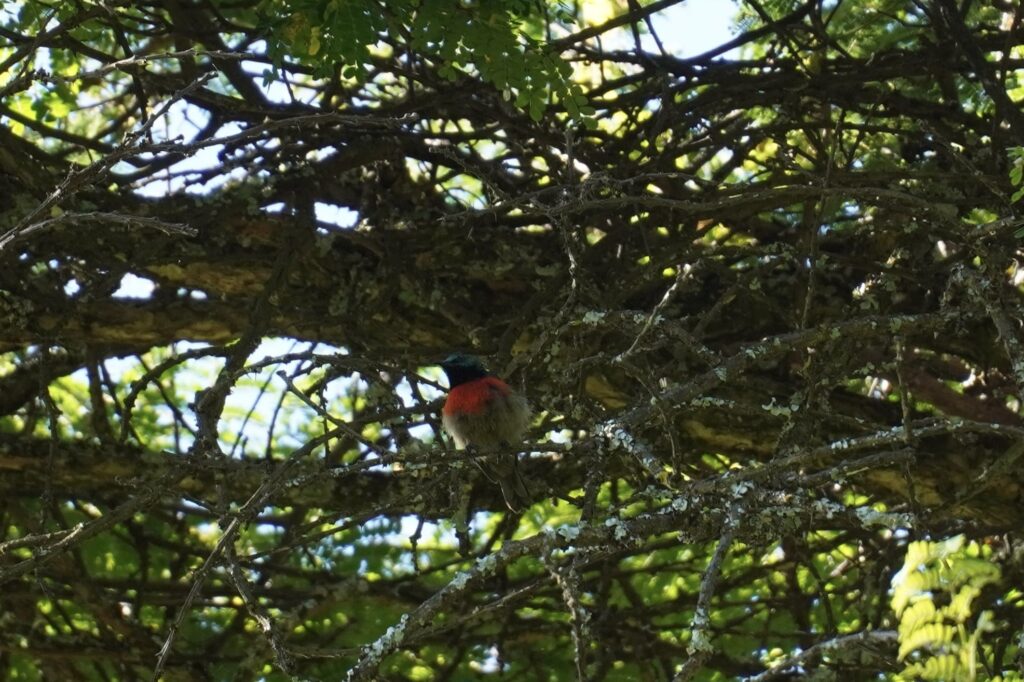
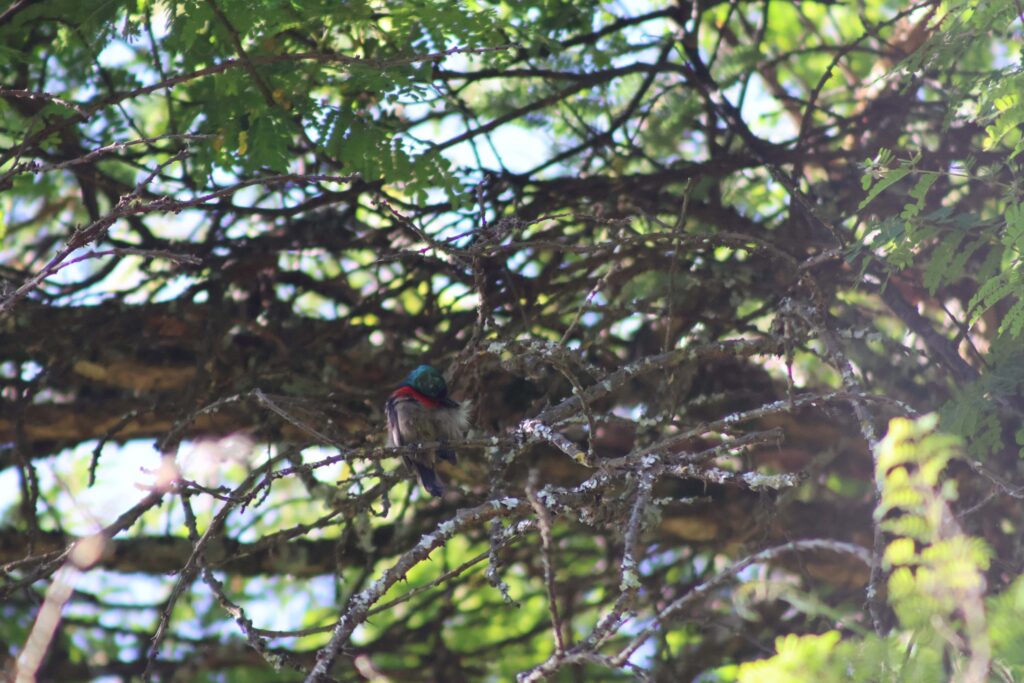
Northern Double-collard Sunbird
Brilliant and jewel-like, the Northern Double-collared Sunbird brings vibrant color to the flowering plants of Mount Elgon National Park. The male dazzles with shimmering metallic green and blue plumage, highlighted by a distinctive double band across the chest, while females are more subtly colored. Actively flitting between flowers, it feeds mainly on nectar, using its slender curved bill, and also takes small insects. Its energetic movements and dazzling colors make it one of the park’s most eye-catching birds.
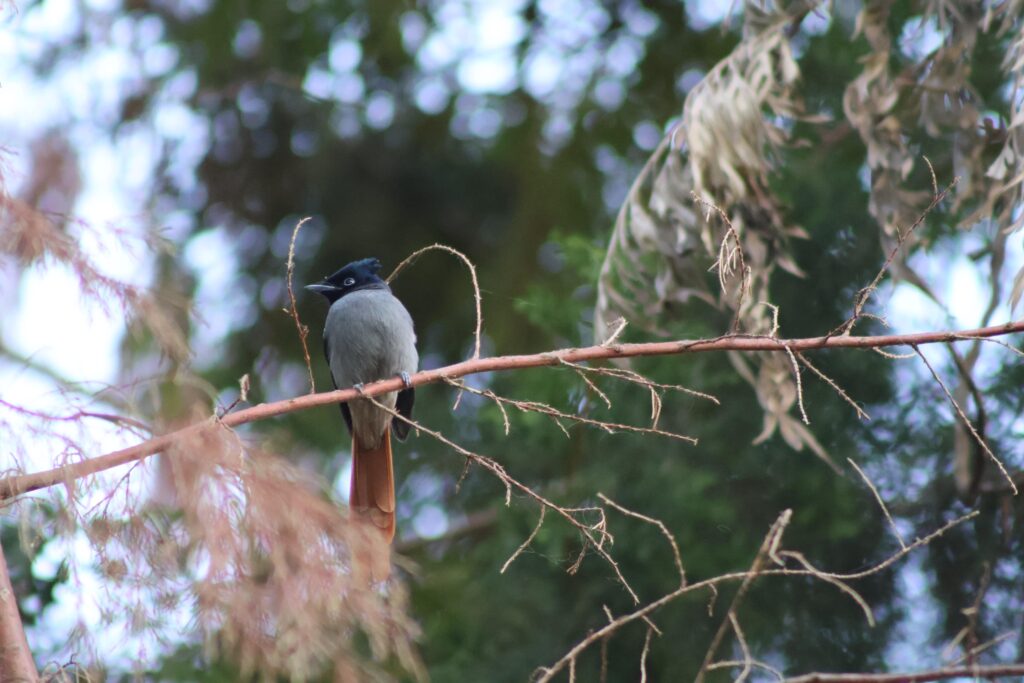
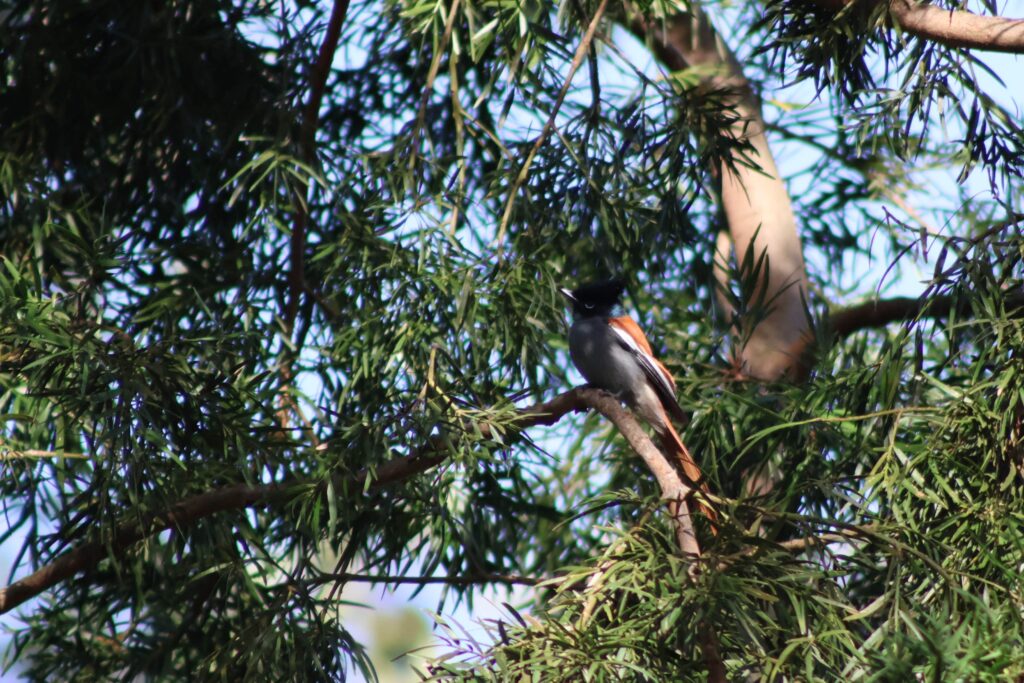
Paradise Flycatcher
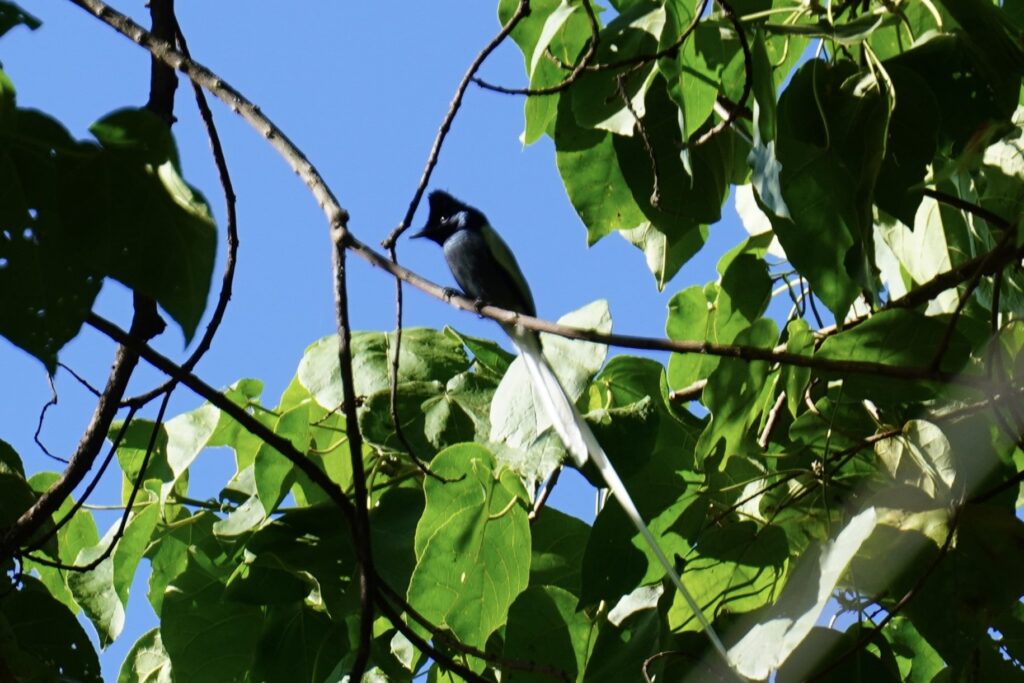
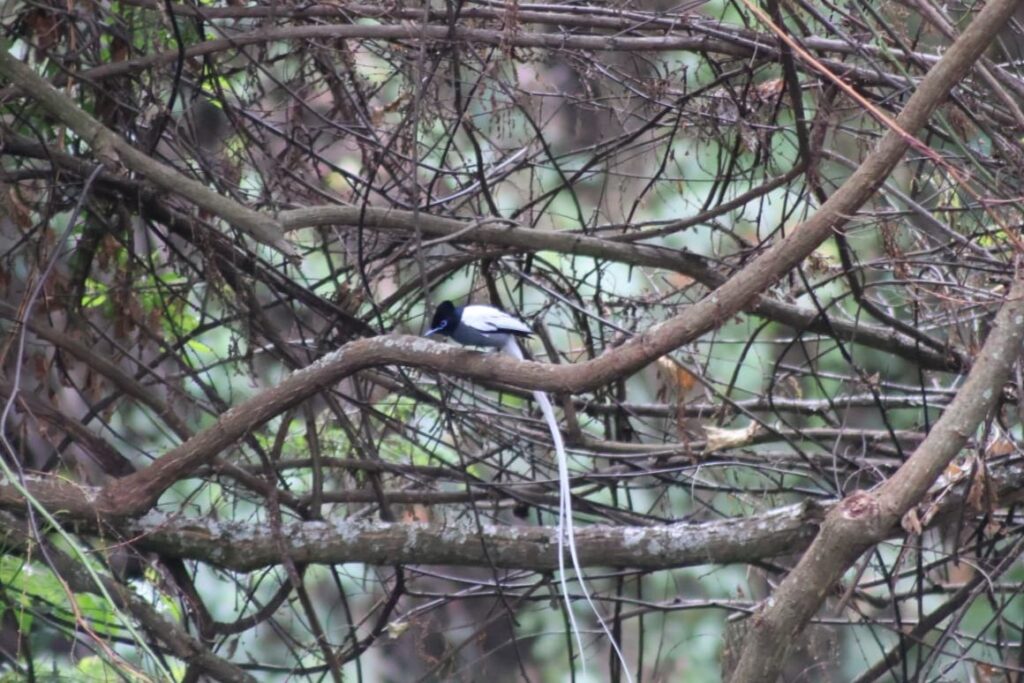
The African paradise flycatcher in Mount Elgon is a striking bird, famous for its long, flowing tail feathers and elegant flight. Often seen flitting through forest edges and clearings, it feeds on insects mid-air, adding grace and movement to the park’s woodland scenes.
Pin-Tailed Whydah
The Pin-tailed Whydah is a striking and unusual bird, especially during the breeding season when males display their long, elegant tail feathers. Males are black and white with bright orange-red bills, while females are more subdued in color. Found in open grasslands and edges of Mount Elgon National Park, they feed mainly on seeds and small insects. Known for their lively courtship flights and tail displays, these birds are a fascinating sight for visitors interested in the park’s avian diversity.
Red-cheeked Cordonblue
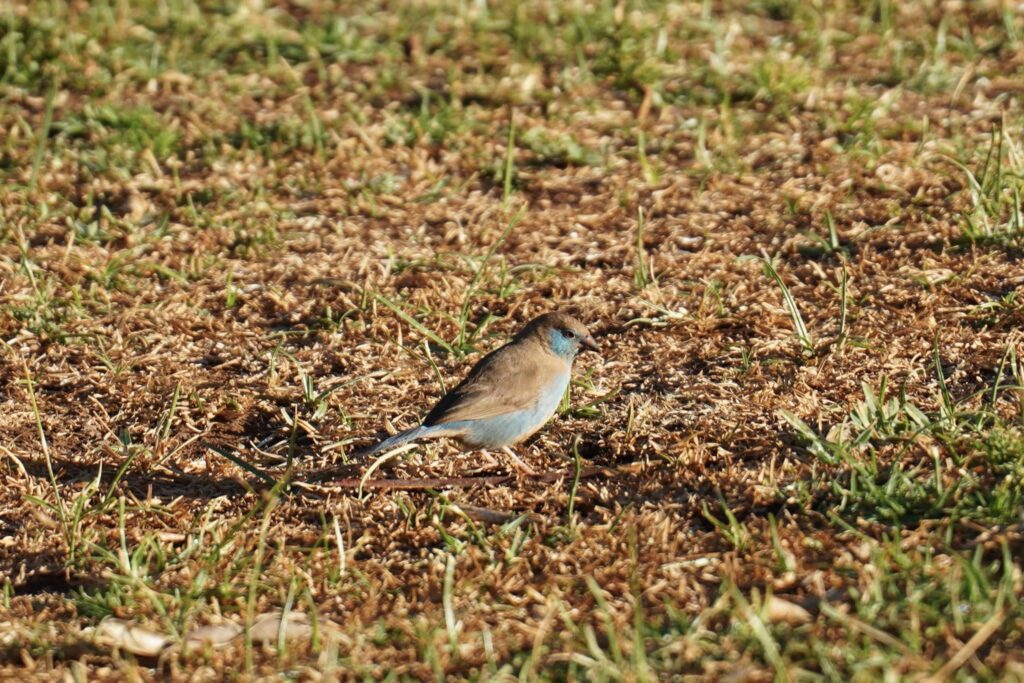
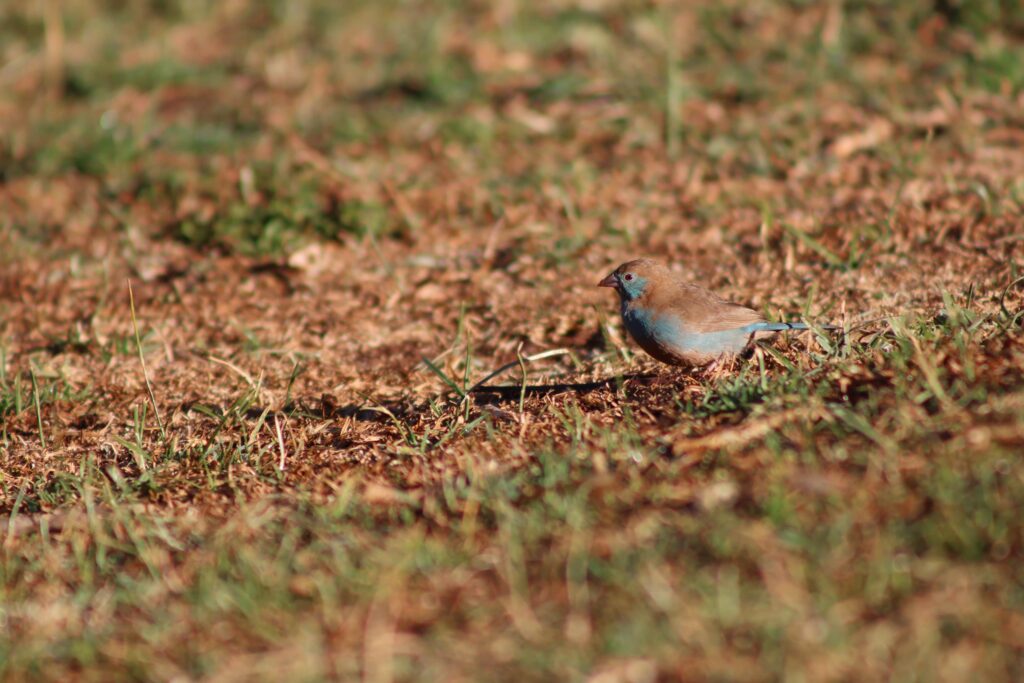
Delicate and charming, the Red-cheeked Cordonbleu is a small finch that adds a splash of color to the grasslands and open areas of Mount Elgon National Park. Males are particularly striking with sky-blue plumage and bright red cheek patches, while females are slightly duller. These sociable birds are often seen in pairs or small flocks, feeding on seeds and tiny insects. Their gentle, melodic calls and graceful movements make them a delight for birdwatchers exploring the park.
Swift
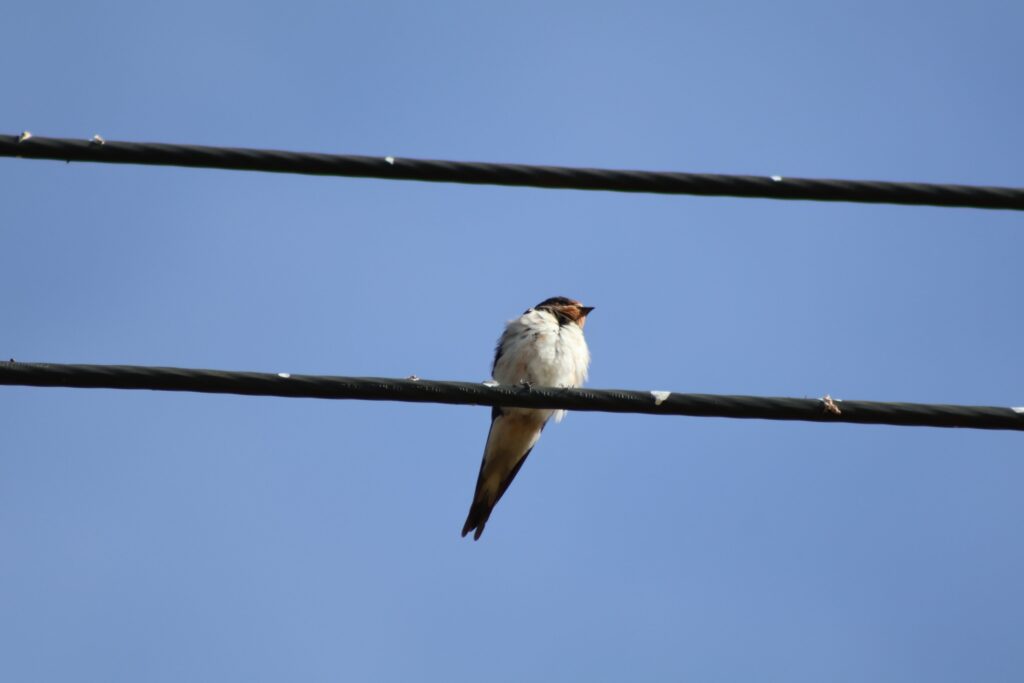
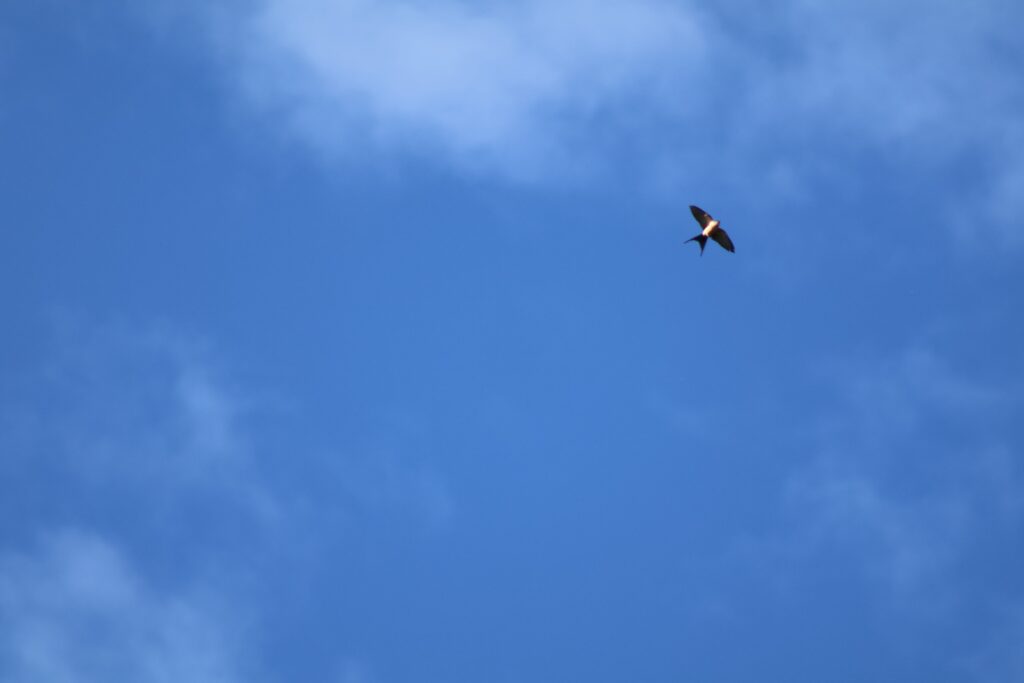
Swifts are sleek, fast-flying birds commonly seen darting through the skies over Mount Elgon National Park. With long, narrow wings and a streamlined body, they are built for aerial life, rarely landing except to nest. They feed entirely on flying insects, catching them in mid-air with remarkable agility. Their continuous, high-speed flight and distinctive screeching calls make them an exciting and dynamic part of the park’s birdlife.
Tropical Boubou
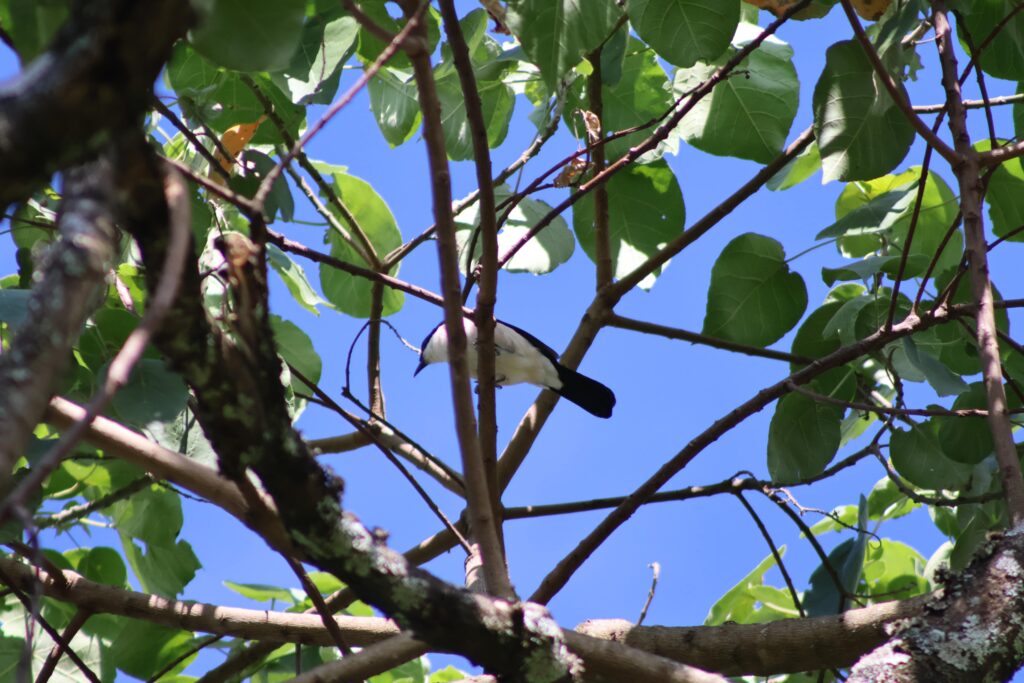
The Tropical Boubou is a striking, medium-sized bird often found in dense shrubs, forest edges, and thickets of Mount Elgon National Park. It has glossy black upperparts, a contrasting white belly, and a melodious, fluty song often delivered as a duet between pairs. Feeding mainly on insects, small invertebrates, and occasionally fruits, it is both alert and watchful. Its rich calls and subtle, elegant appearance make it a rewarding species for birdwatchers to spot in the park’s diverse habitats.
White Eyed Slaty Flycatcher
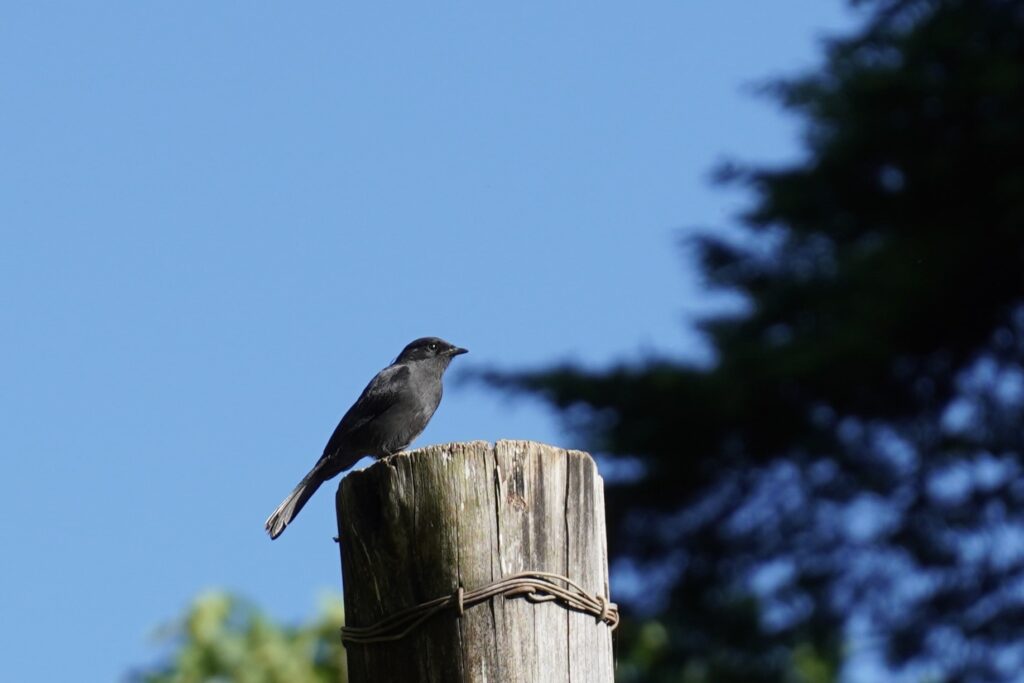
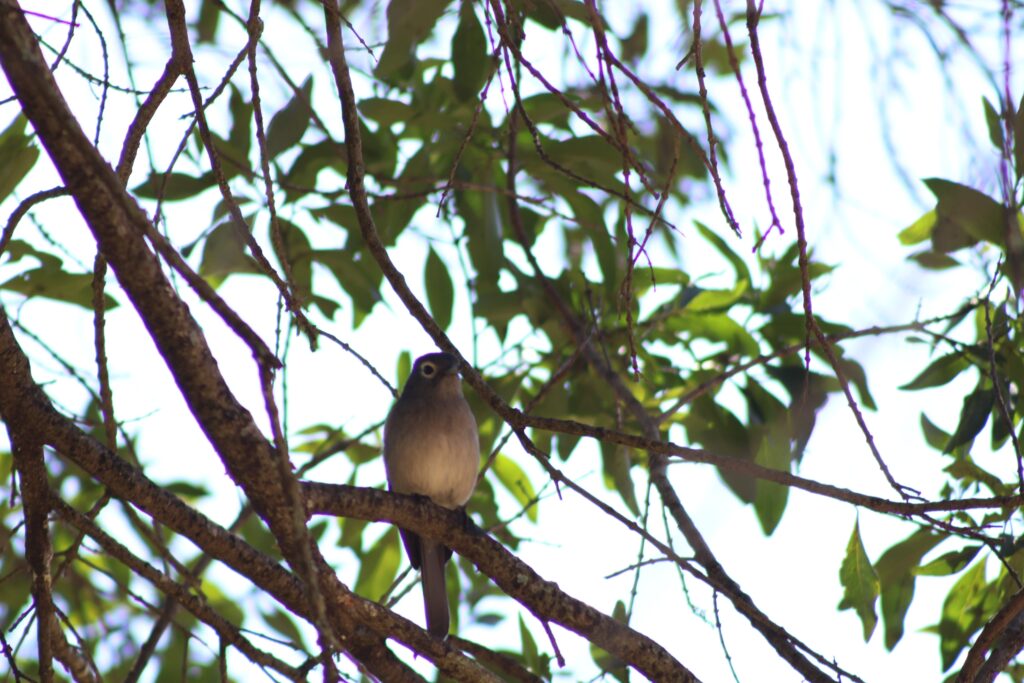
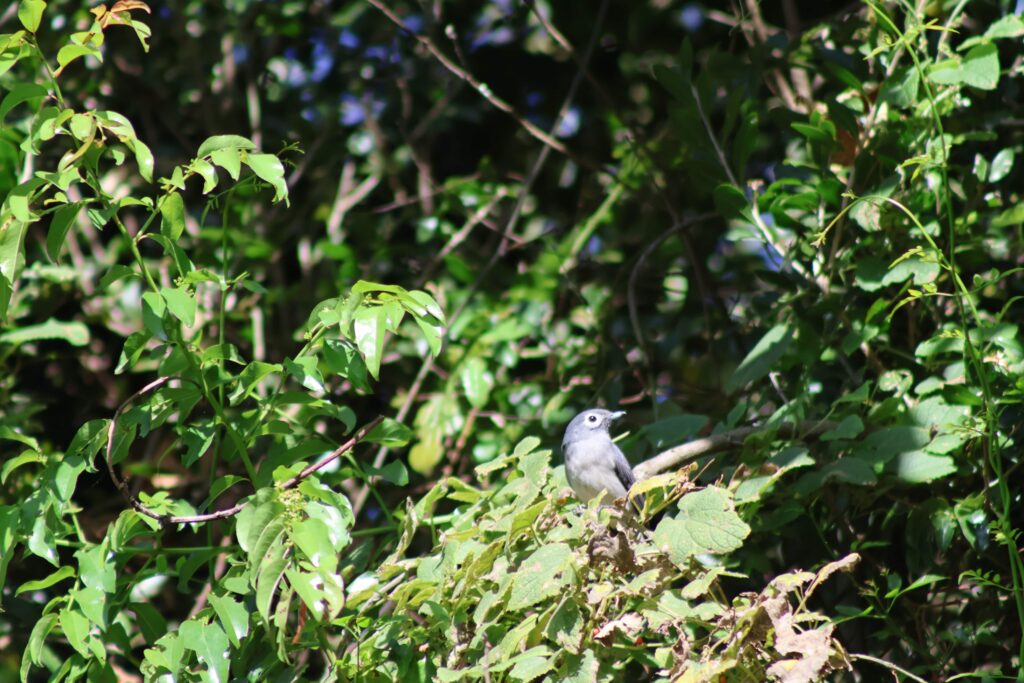
The White-eyed Slaty Flycatcher is a subtle yet captivating bird of Mount Elgon National Park’s forests and wooded areas. It has smooth, slate-grey plumage and striking pale eyes that stand out against its dark feathers. Often seen perched quietly in the midstory, it makes short sallies to catch flying insects before returning to its perch. Its calm demeanor and distinctive eye make it a rewarding sight for attentive birdwatchers exploring the park’s montane forests.
White-necked Raven
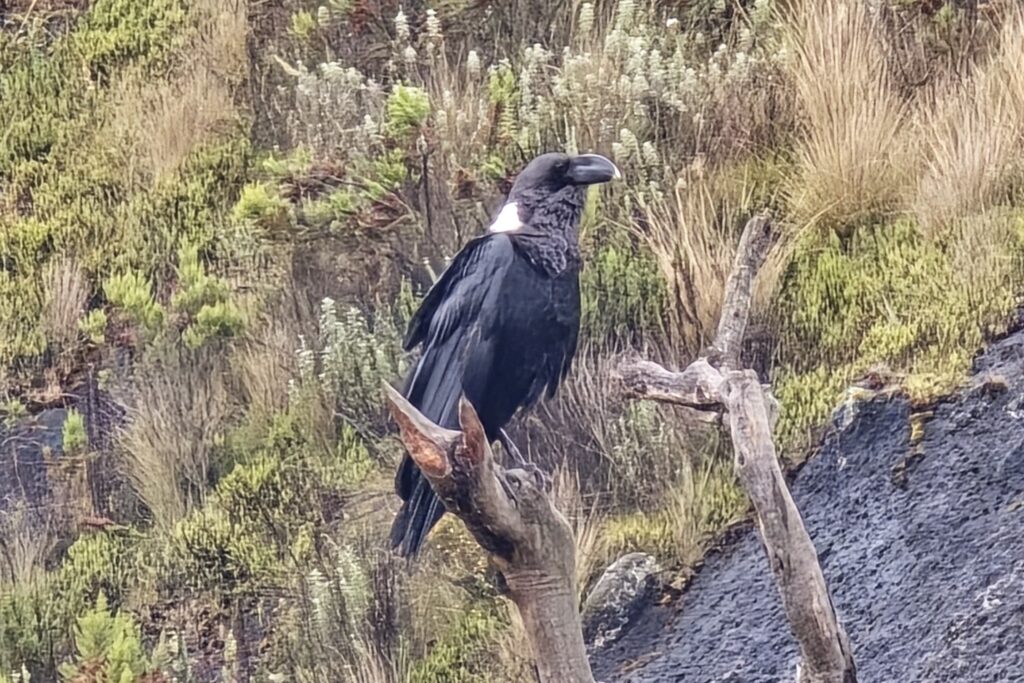
Large, intelligent, and commanding, the White-necked Raven is one of the most impressive birds seen around Mount Elgon National Park. It is easily recognized by its glossy black plumage, massive bill, and the distinctive white patch on the back of the neck, best seen in flight. Often soaring over cliffs and highlands or calling loudly from treetops, it feeds on a wide variety of food, from insects to carrion. Its deep croaking calls and powerful presence make it a memorable sight in the park’s mountainous landscapes.
Reptiles
Mount Elgon is home to a variety of reptiles that thrive in its forests, wetlands, and grasslands. From agile lizards and skinks to secretive snakes, these cold-blooded creatures add an intriguing and often hidden layer to the park’s diverse wildlife.
Lizard
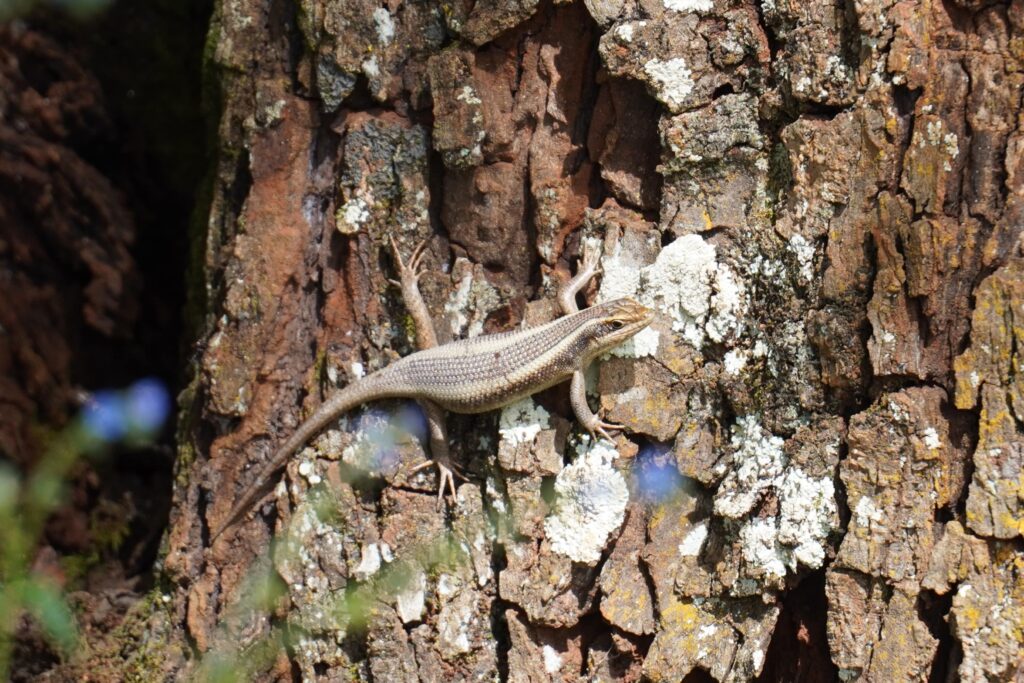
Mount Elgon is home to several species of lizards that inhabit its forests, grasslands, and rocky areas. These agile reptiles are often seen basking on rocks or dashing through leaf litter, feeding on insects and small invertebrates, and adding a lively, quick-moving presence to the park’s ecosystem.