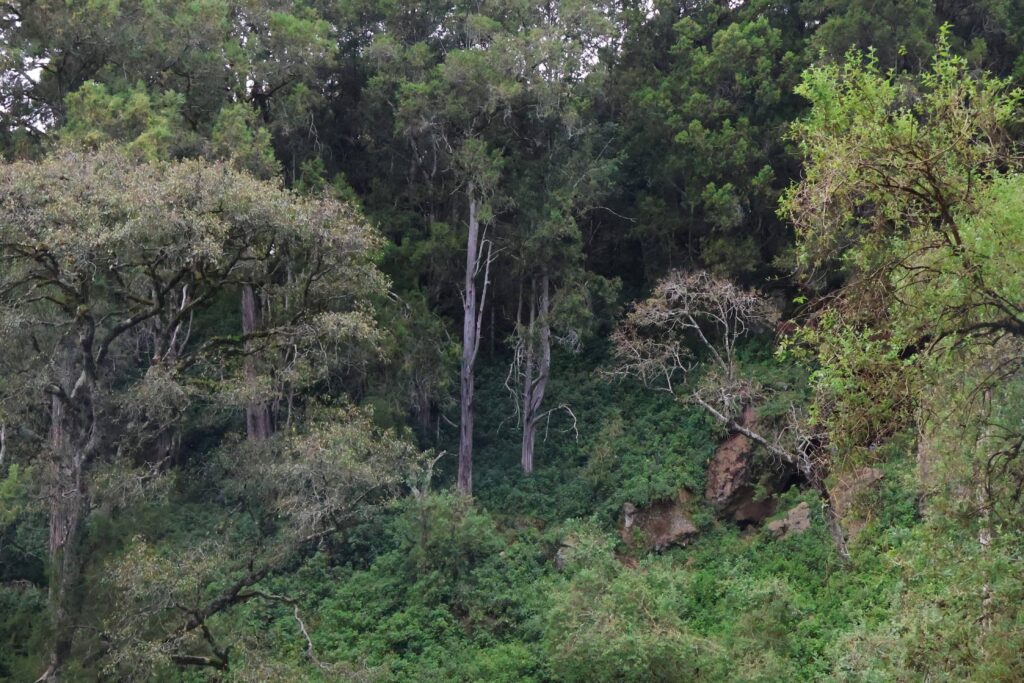
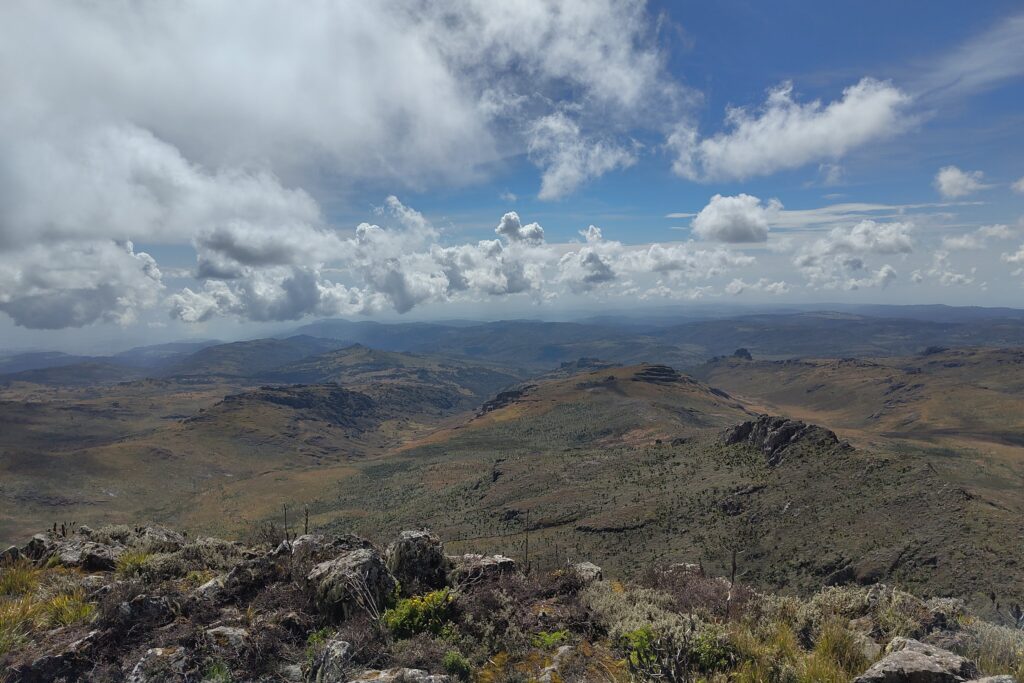
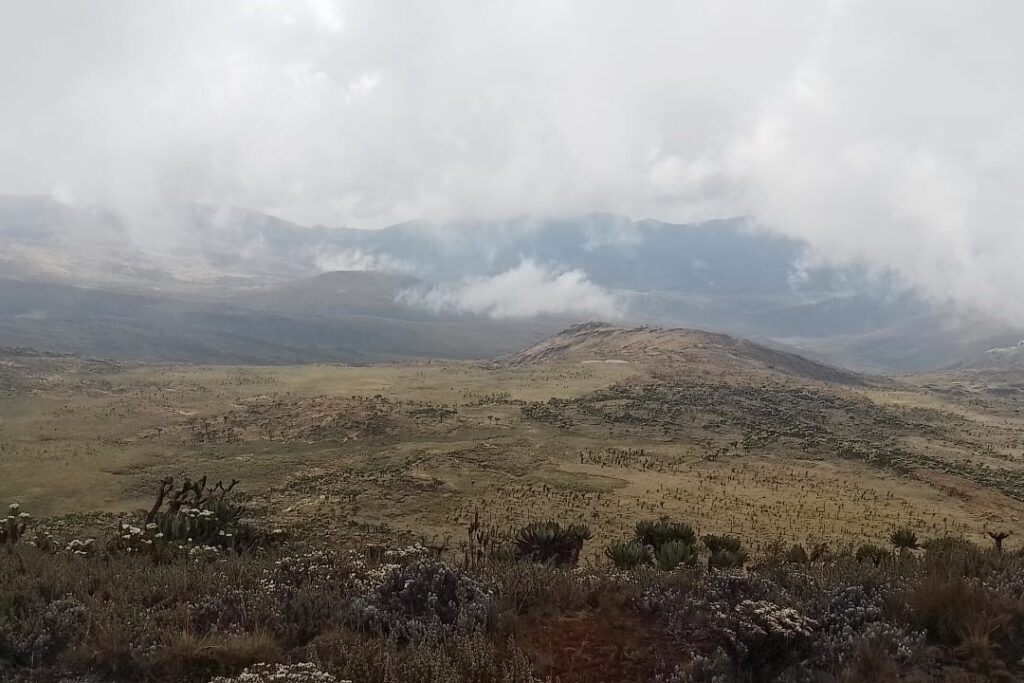
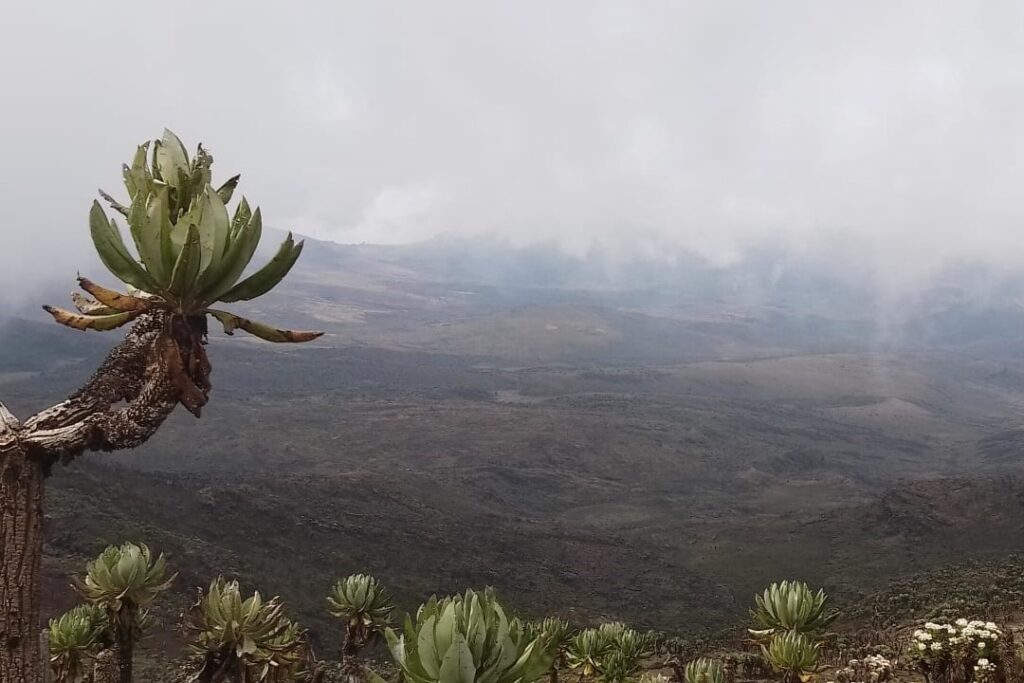
Mount Elgon National Park is a haven for nature lovers and adventure seekers. Discover stunning waterfalls, mysterious caves, scenic viewing points, and majestic peaks, including the iconic Wagagai Peak. Don’t miss cultural landmarks like Chief Kasis’ shrine, all set within lush forests and breathtaking landscapes that make every visit unforgettable.
Waterfalls
Mount Elgon National Park features a series of beautiful waterfalls that spill down its ancient volcanic slopes, surrounded by cool forests and rugged cliffs. Along the hiking routes, you can visit scenic cascades like the Chepnyalil and Kapkuro Falls, where misty spray, birdsong, and dramatic rock formations create a uniquely Elgon experience. These waterfalls offer refreshing stopovers during nature walks and a striking glimpse into the mountain’s natural charm.
Elkony Waterfall
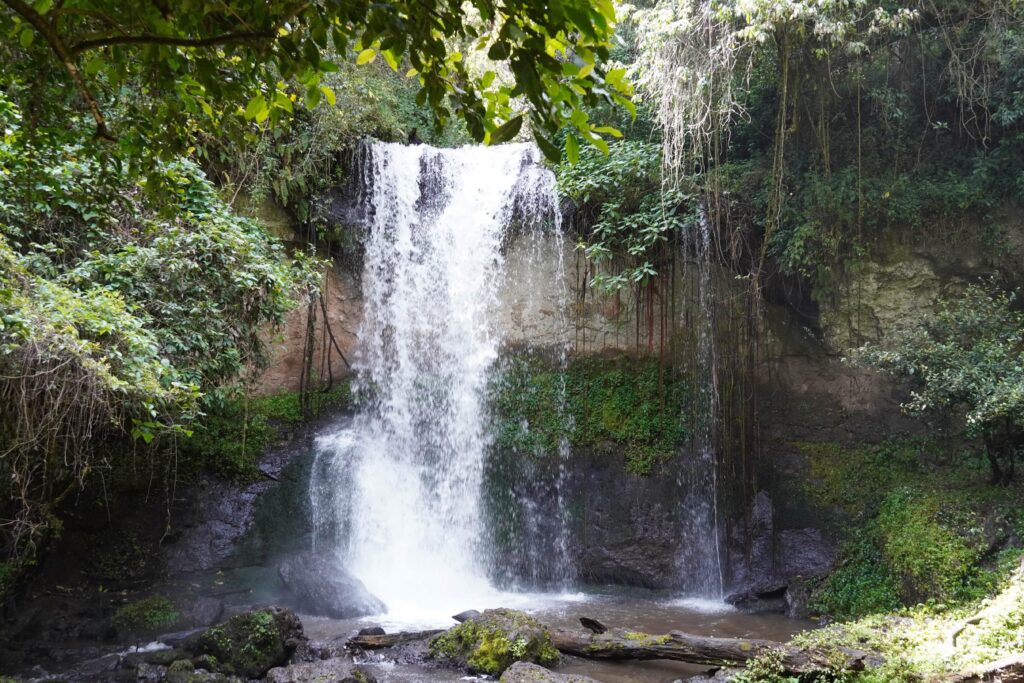
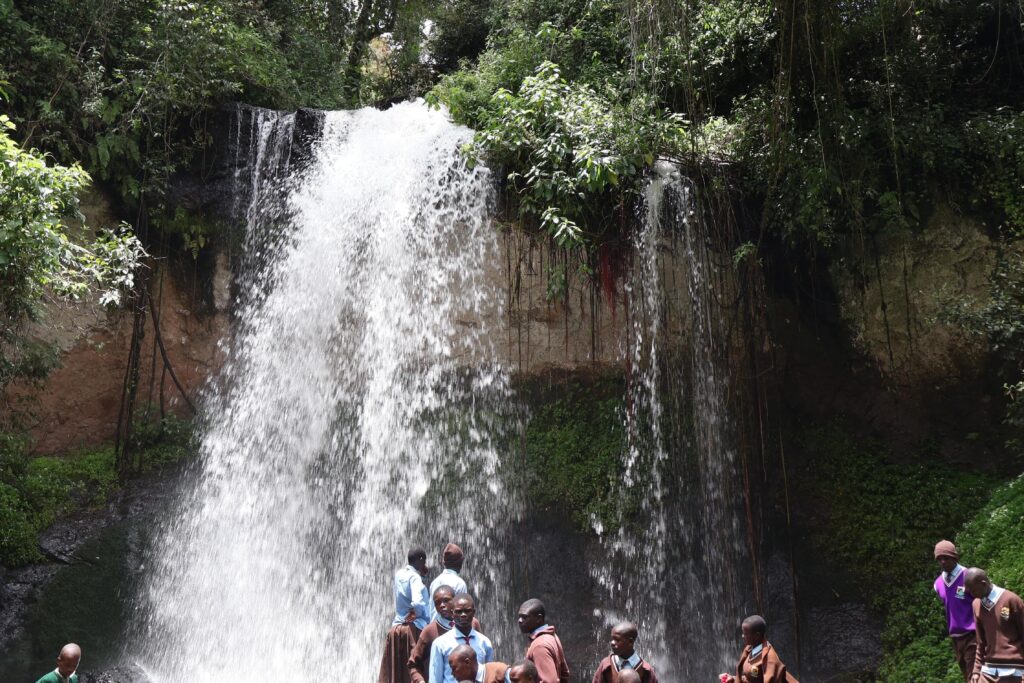
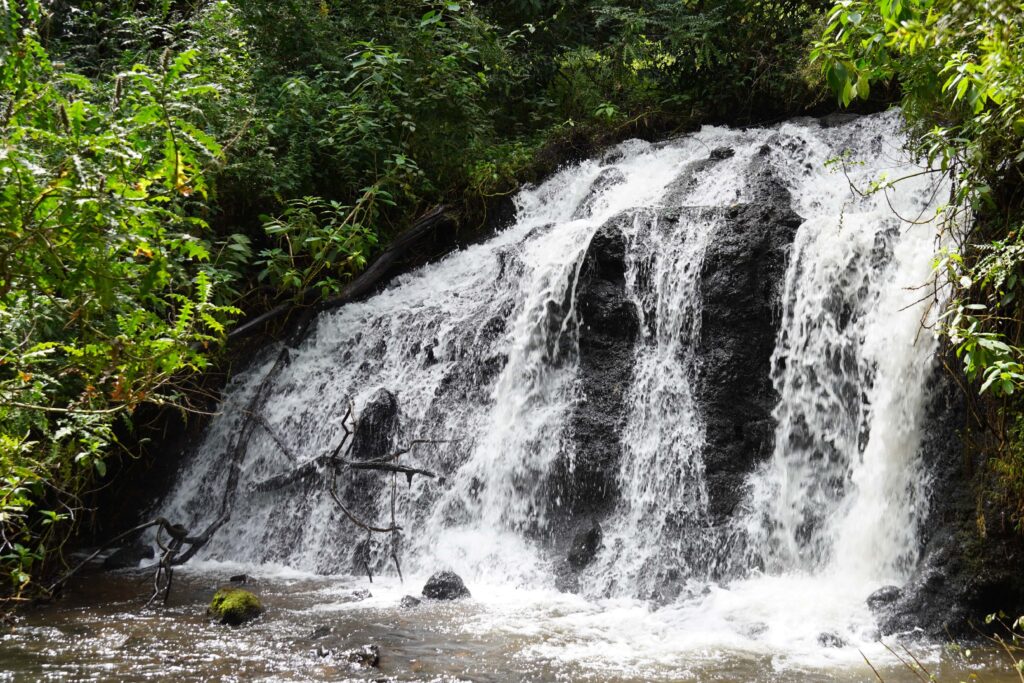
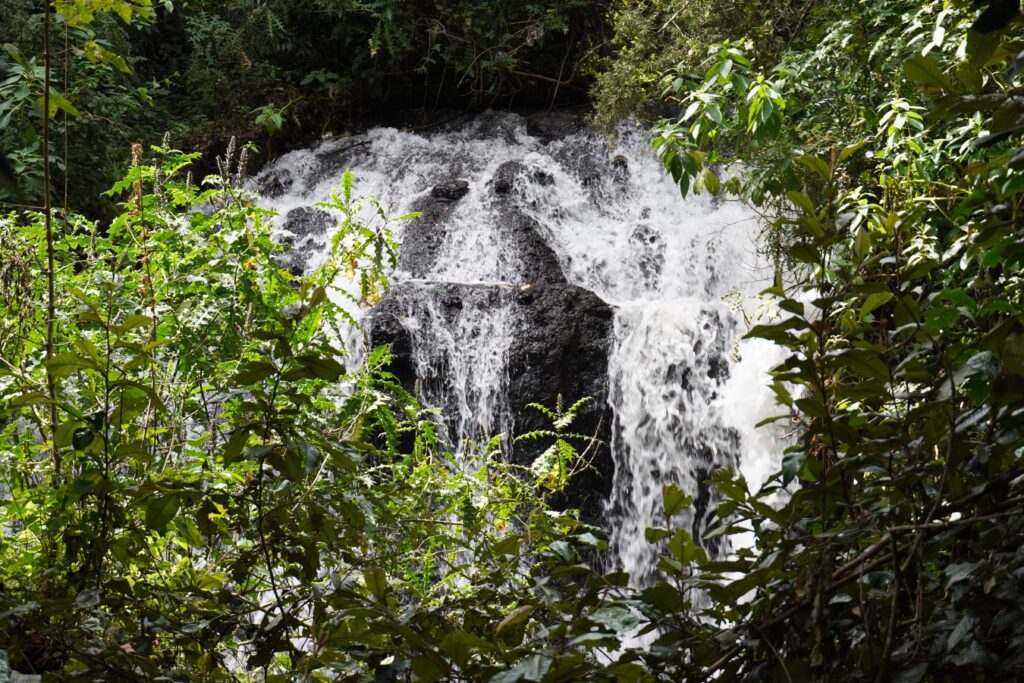
Elkony Waterfall is accessible through a 1 km nature trail from the official road. The path leads you through cool forest and gentle terrain before opening to the impressive cascade, where water plunges over volcanic rock into a serene pool below. It’s a quiet, scenic spot ideal for a short hike, photography, and enjoying Mount Elgon’s natural beauty.
Making'eny Waterfall
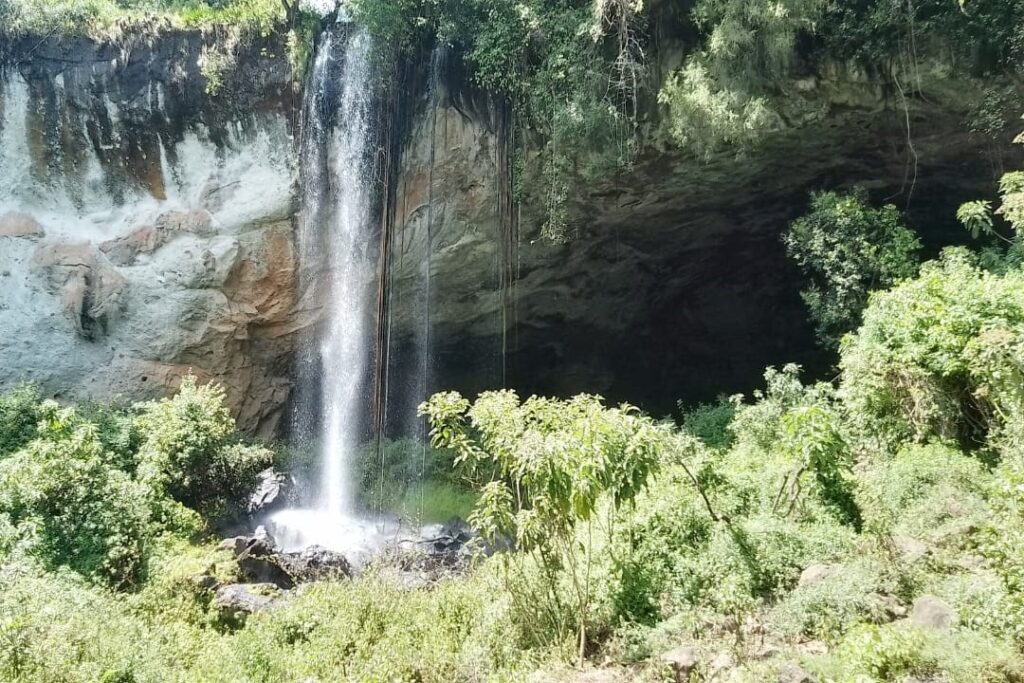
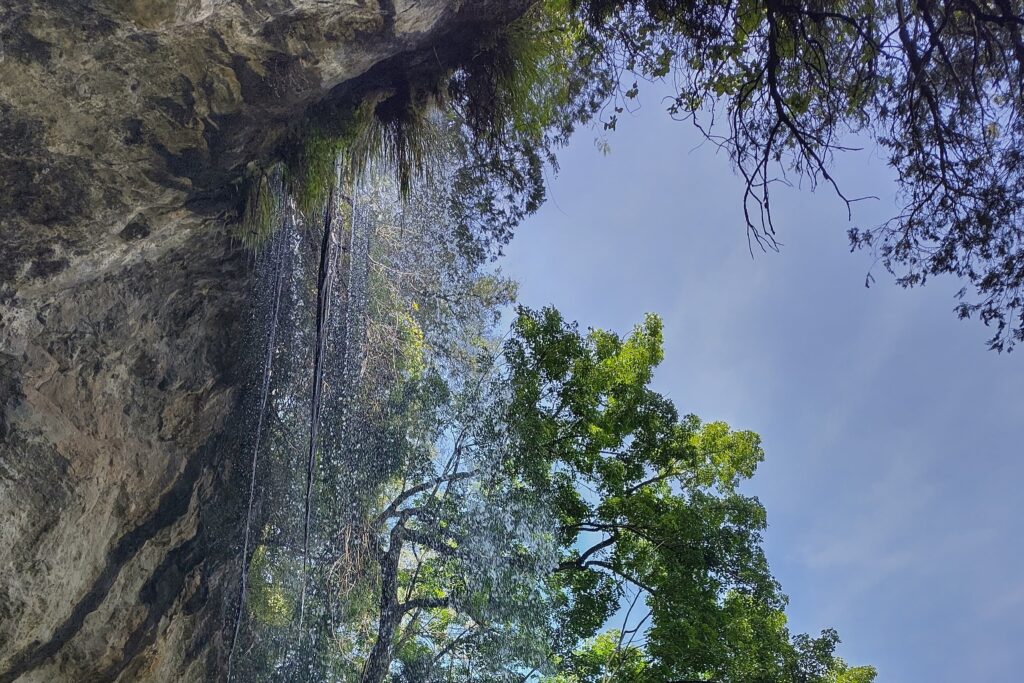
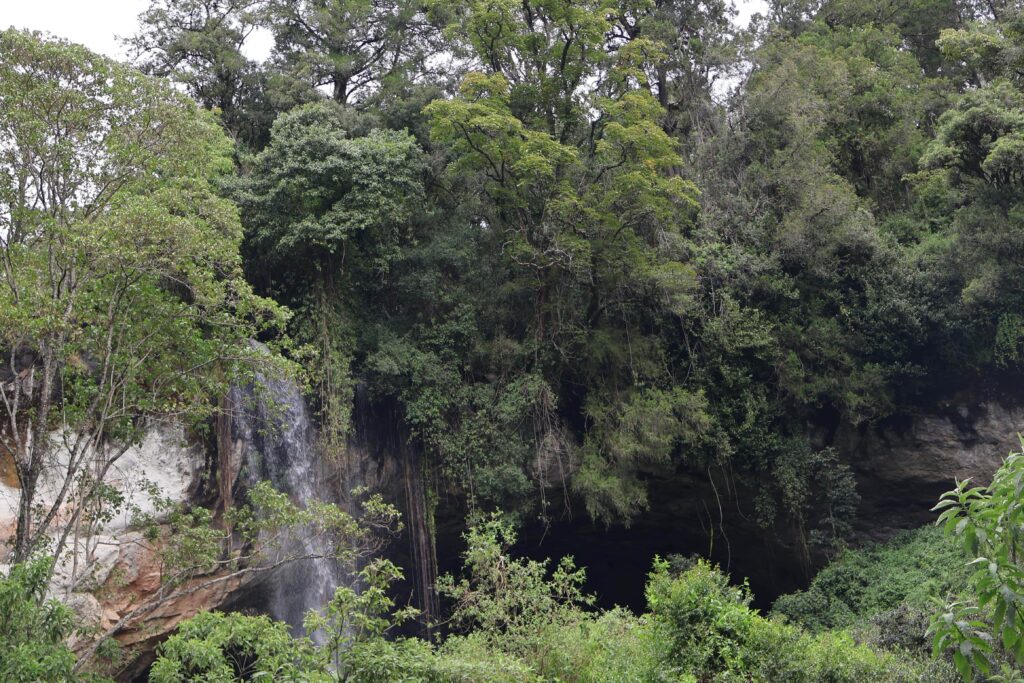
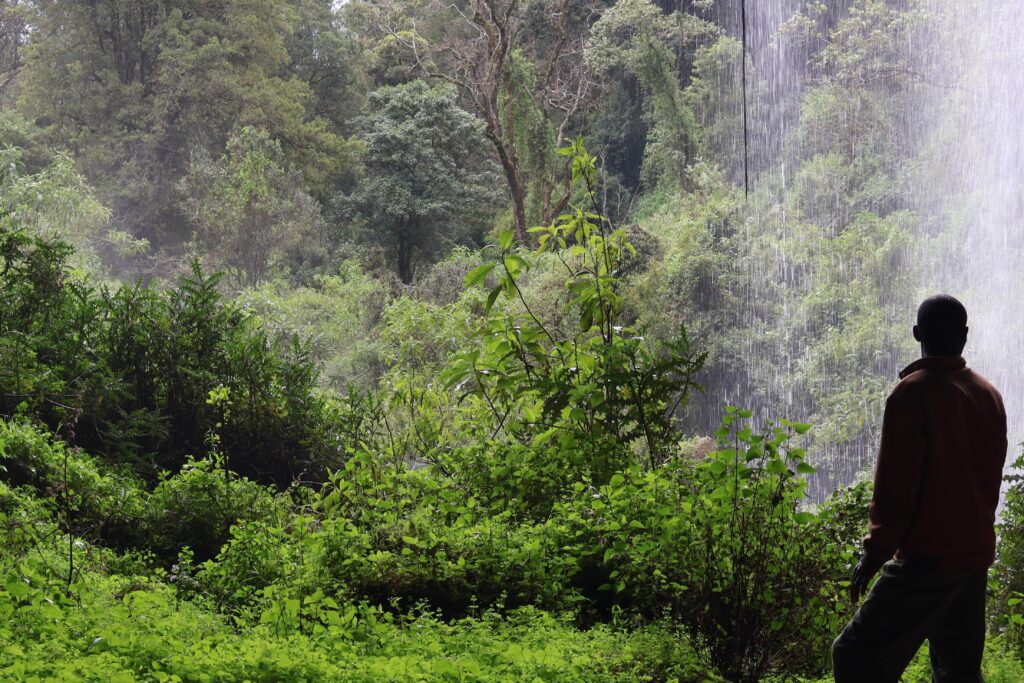
It cascades roughly 16 metres over the entrance of the cave with which it shares its name. After exploring the cave, the waterfall provides a refreshing cool-down. Set against Mount Elgon’s forested slopes, Elkony Waterfall forms a dramatic curtain of water that enhances the cave’s mystique. Its steady roar and cool mist make it a memorable stop along the mountain’s exploration routes, showcasing the raw, unspoiled beauty that defines the Mount Elgon experience.
Chepnyalil Waterfall
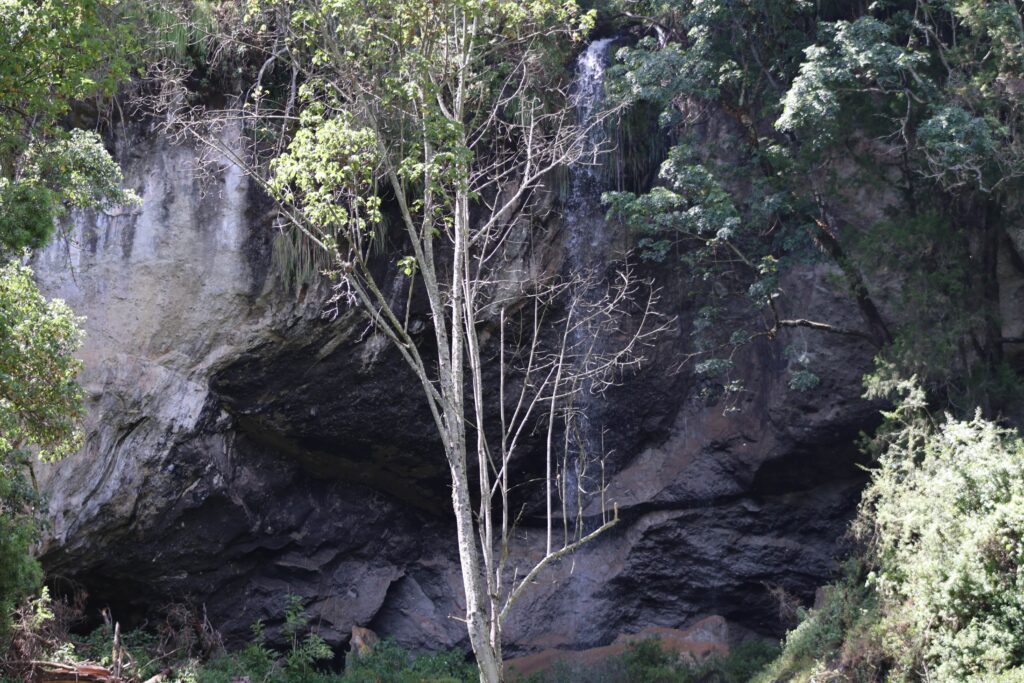
Chepnyalil Waterfall is located just above the entrance of its “brother” cave. As the highest waterfall in Mount Elgon National Park, it plunges approximately 25 meters, creating a striking natural highlight of the area.
Chesurur Waterfall
Chesurur Waterfall is located just 20 meters from the road, making it easily accessible for visitors with limited mobility.
Kimoson Waterfall
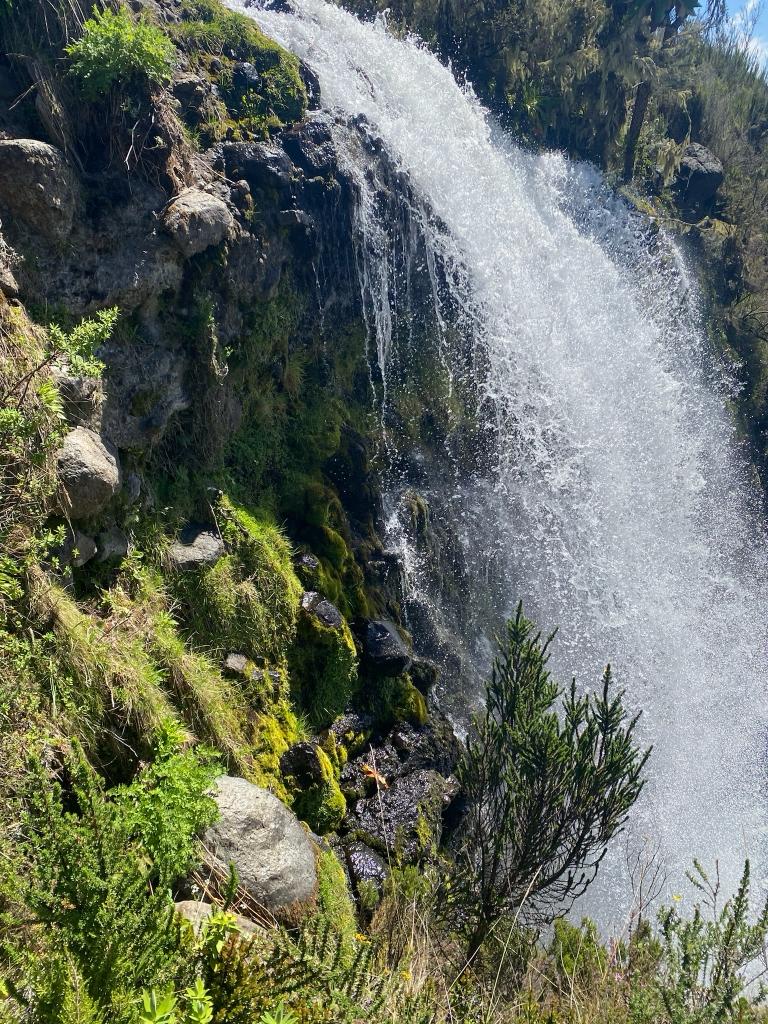
Kimoson Waterfall, located at the moorland and only 10 m from the official trail to Koitoboss Peak, tumbles gracefully into a serene pool, creating a tranquil oasis for hikers. Surrounded by thick vegetation and vibrant birdlife, it’s an ideal spot to pause, enjoy nature, and capture the beauty of Elgon’s highland landscapes. The waterfall’s cool spray and peaceful setting make it a refreshing highlight on any trek through the park.
Caves
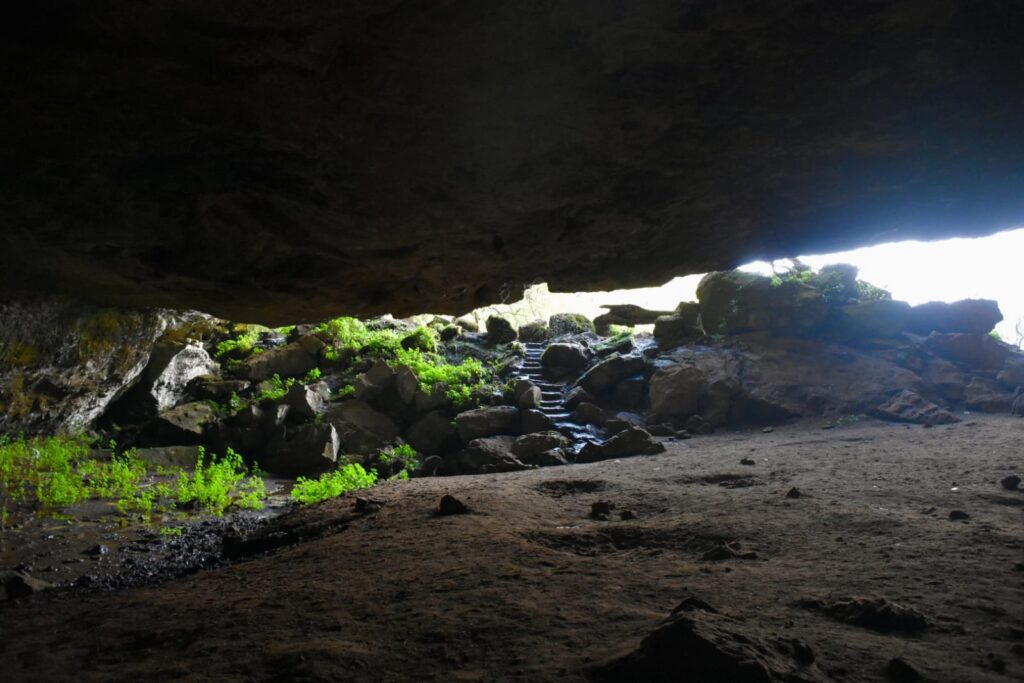
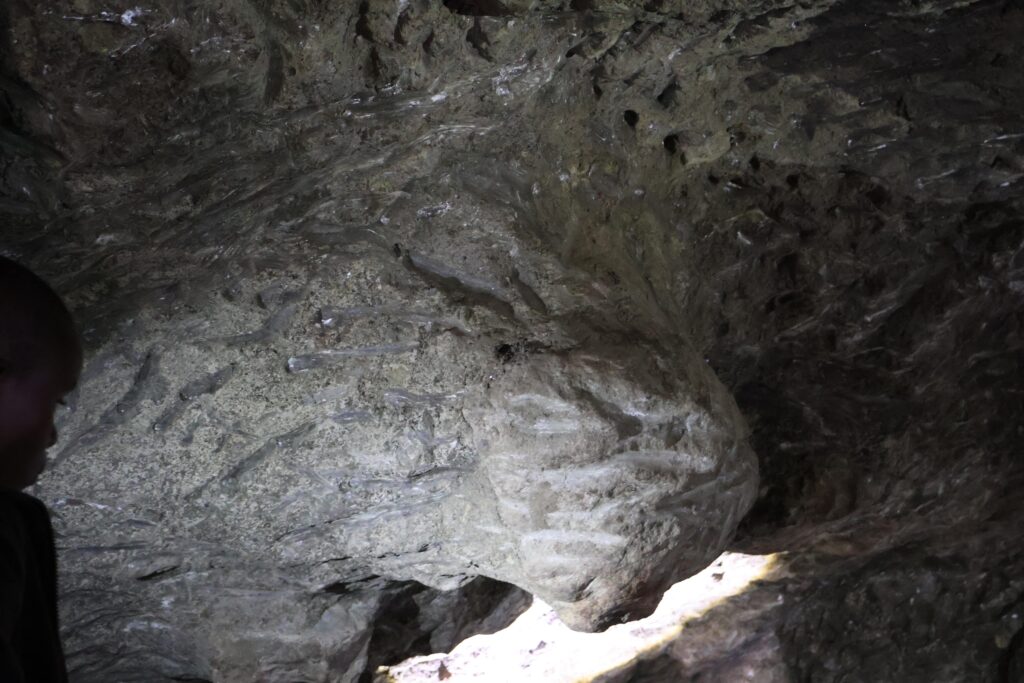
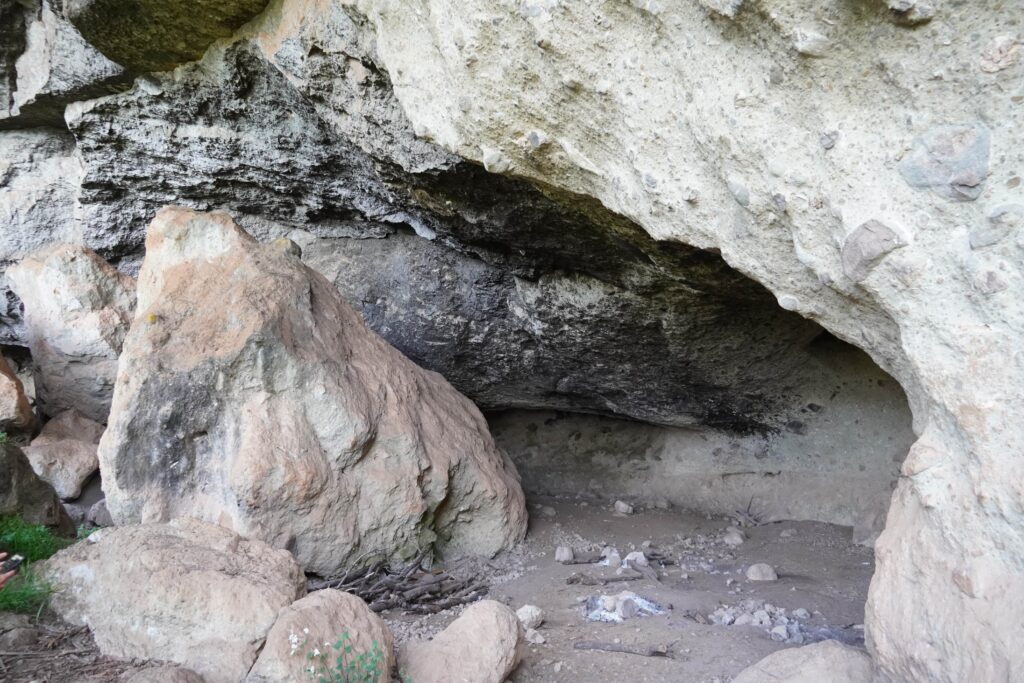
Mount Elgon is home to numerous caves formed after ancient volcanic activity. At night, elephants often visit these caves to lick the walls, obtaining essential minerals for their diet. This fascinating behavior is unique in the whole world and offers a rare glimpse into the natural habits of these magnificent animals.
Kitum Cave
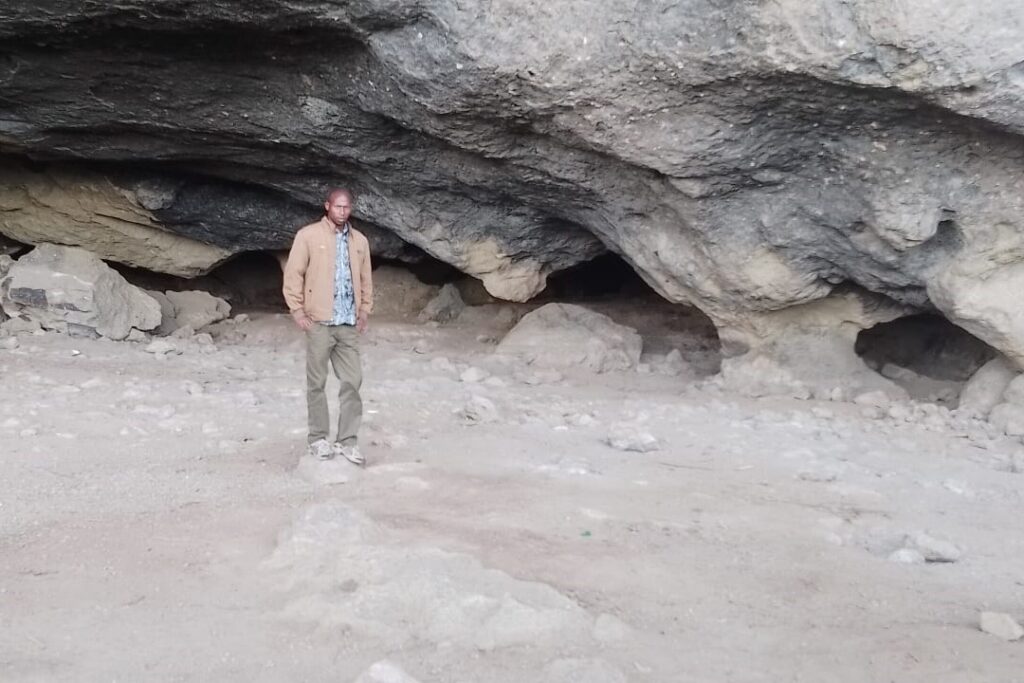
Nestled within Mount Elgon National Park, Kitum Cave is a remarkable natural feature renowned for its towering limestone walls and rich deposits of salt. Stretching deep into the mountain, the cave has long attracted elephants and other wildlife, who venture inside to lick the mineral-rich walls. Visitors to Kitum Cave can explore its fascinating geological formations while experiencing a glimpse of the park’s unique ecosystem. A visit here offers both adventure and a close connection with nature.
Making'eny Cave
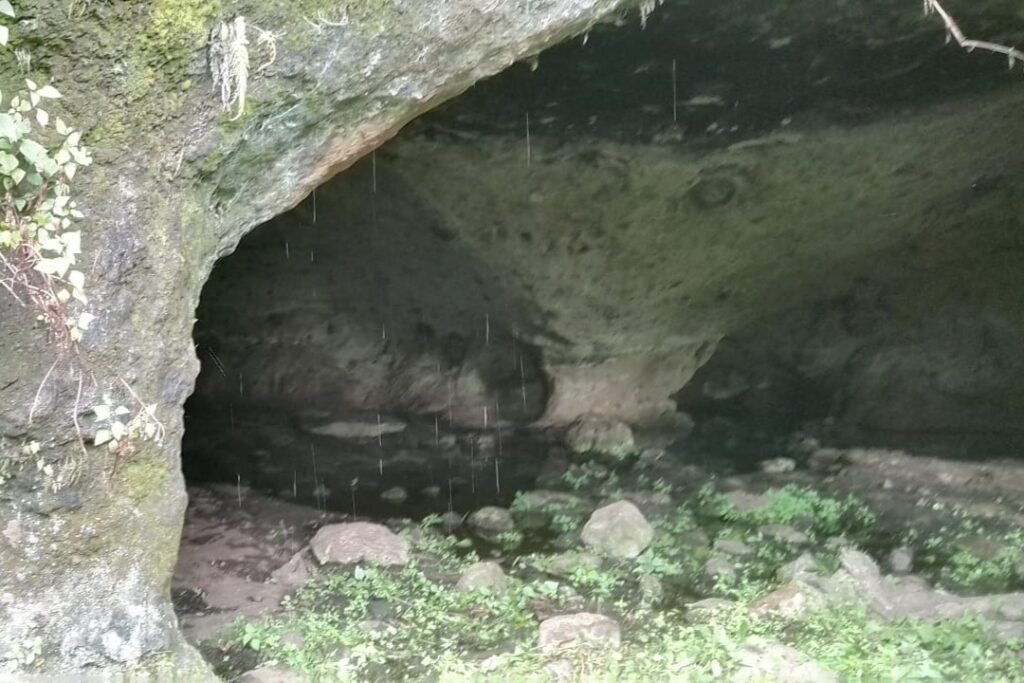
Making’eny Cave, located just 1.5 km from Kitum Cave, features a spectacular waterfall cascading over its entrance, which is the one of the biggest in whole Mount Elgon. The cave is home to a permanent colony of bats, while other animals take shelter there at night when temperatures in the national park drop too low.
Ngwarisha Cave
Ngwarisha Cave, located deep into the bamboo forest of Mount Elgon, is a natural haven for many bird species. These birds often breed inside the cave and emerge at night to hunt.
Chepnyalil Cave
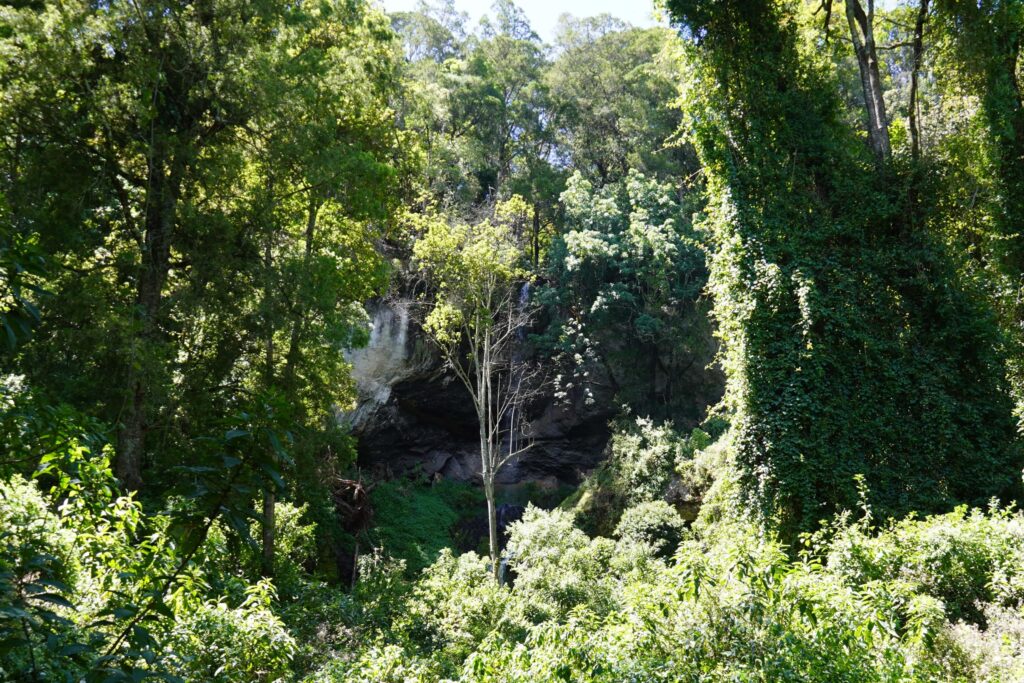
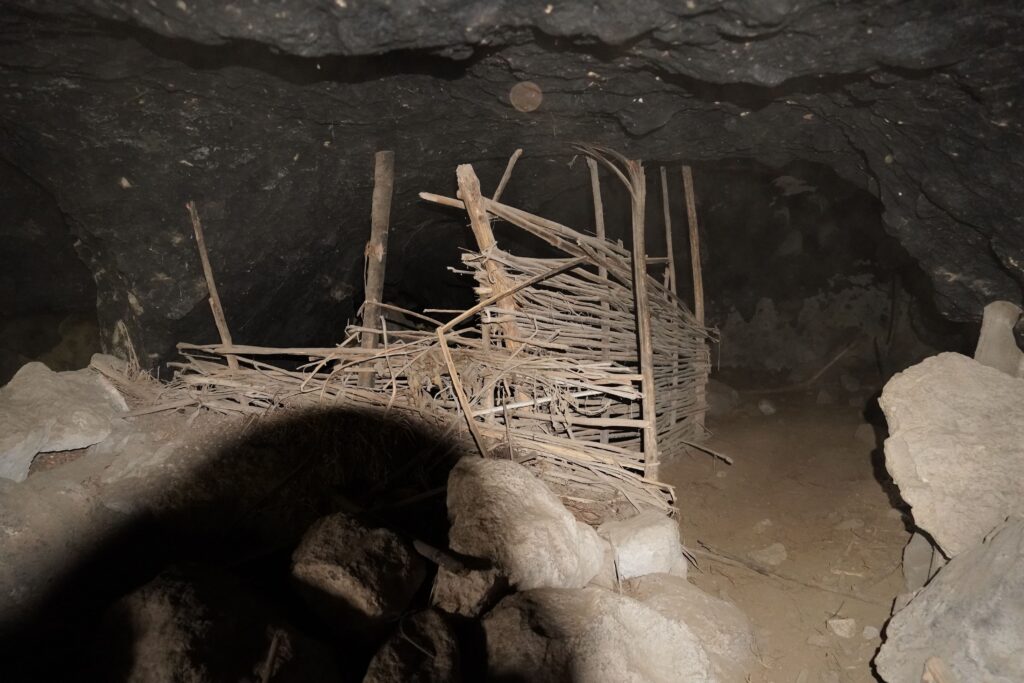
Chepnyalil Cave consists of two chambers—an upper and a lower one—that are not connected. Like many caves in Mount Elgon, it features a waterfall cascading over its entrance. What makes Chepnyalil truly special are the human paintings on its walls, created around the 1890s, which are believed to symbolize a calendar. Inside the cave, wooden fences can also be found, reflecting its historic use as sleeping places by local communities.
Kiptorowo Cave
Kiptorowo Cave is smaller than many of the other caves in Mount Elgon National Park, but it is a popular gathering spot for wild pigs. In the past, local communities also used the cave as a home before the area was designated as a protected park.
Viewing Points
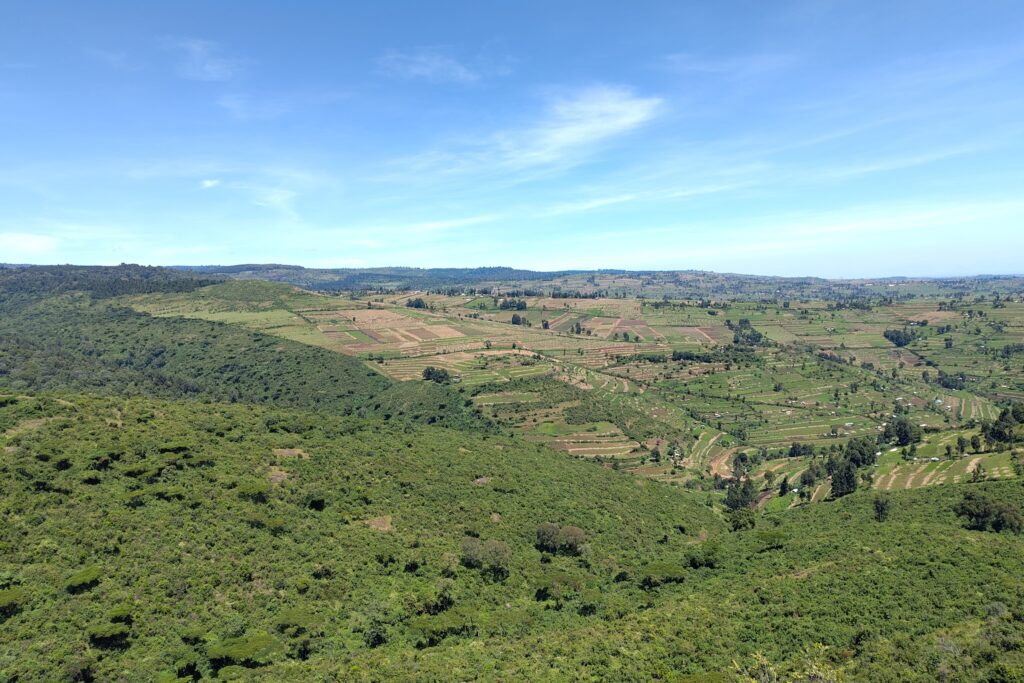
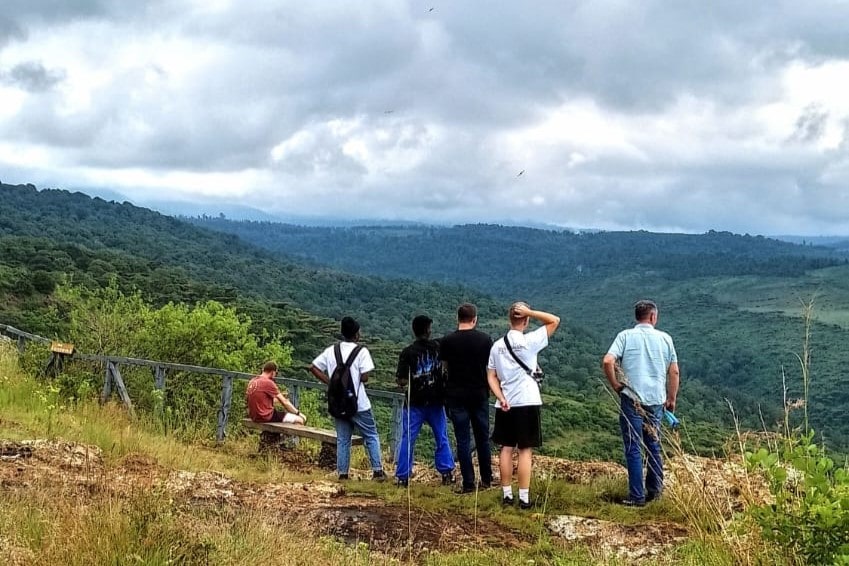
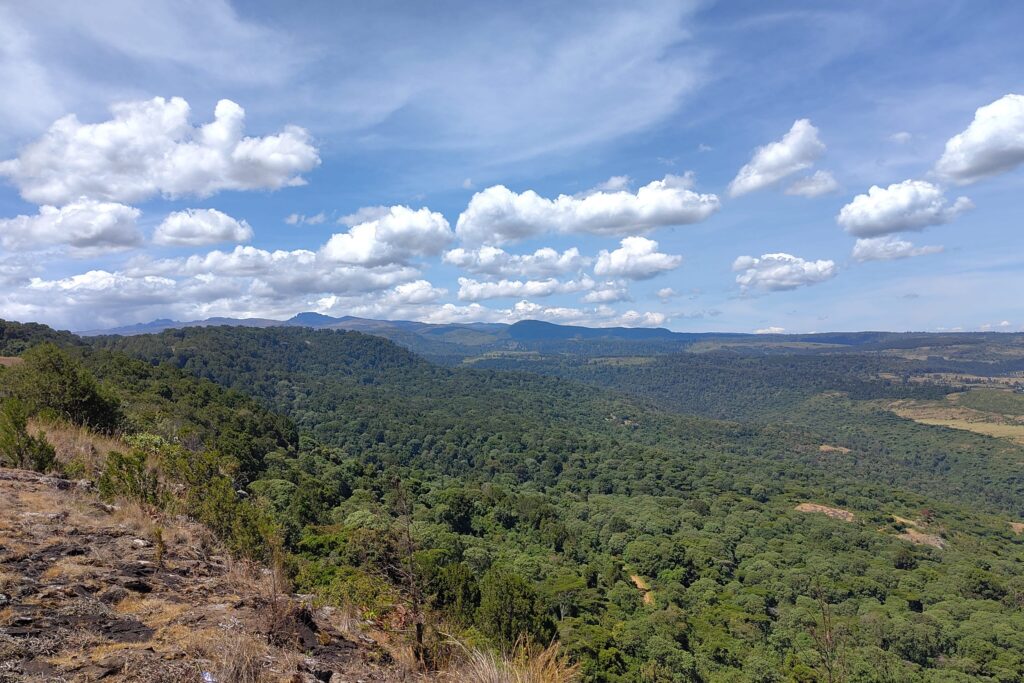
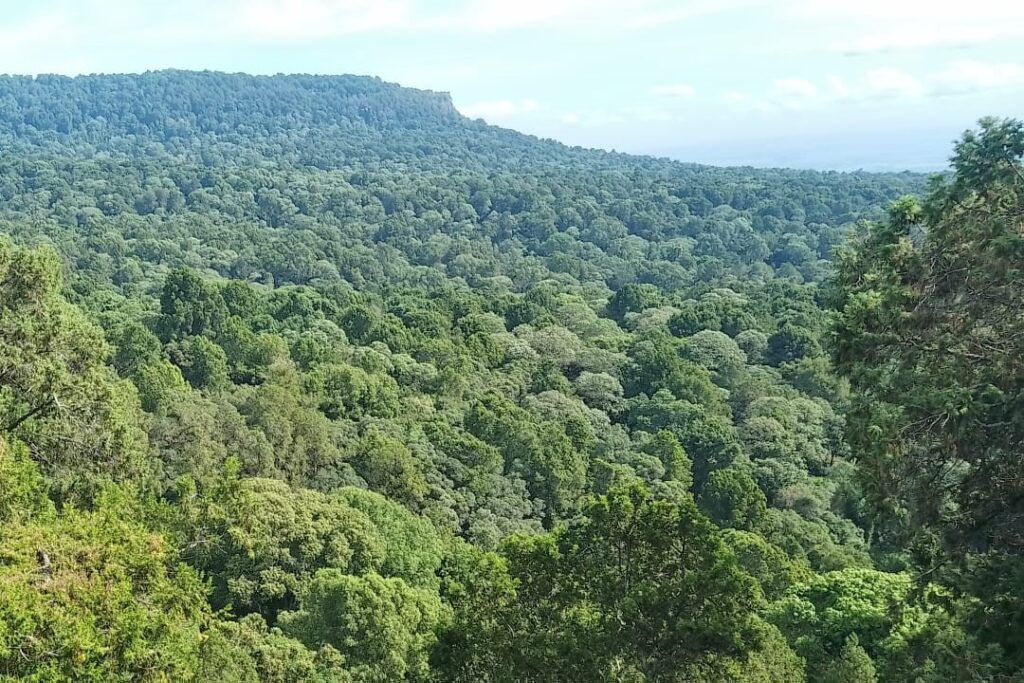
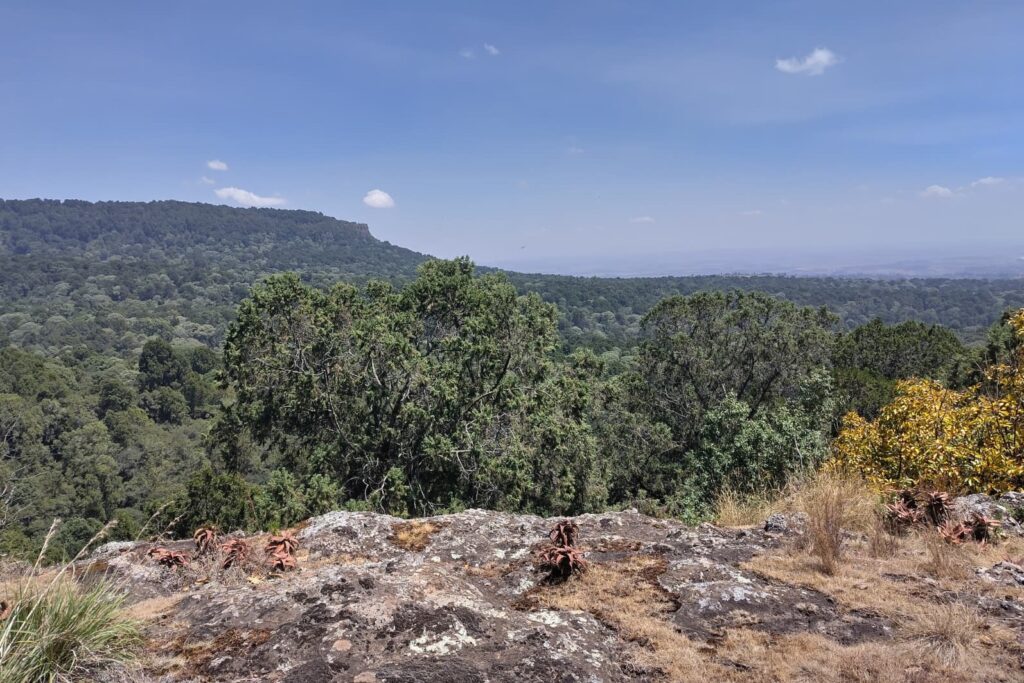
There are several excellent viewpoints throughout the park, most of which are located along the lower circuit. These spots offer beautiful landscapes, provide great opportunities to observe a variety of wildlife, and are perfect for experiencing magical sunrises.
Elephant Plattform
Elephant Platform offers an excellent opportunity to observe forest elephants in their natural habitat. From here, you can also enjoy sweeping views of the eastern part of the national park, as well as the Kenya Forest Reserve and the surrounding local communities. On a clear day, you may even see the Kapenguria Hills, the Cherangani Hills, and, further west, the Riwo Hills in Uganda.
Endebess Bluff
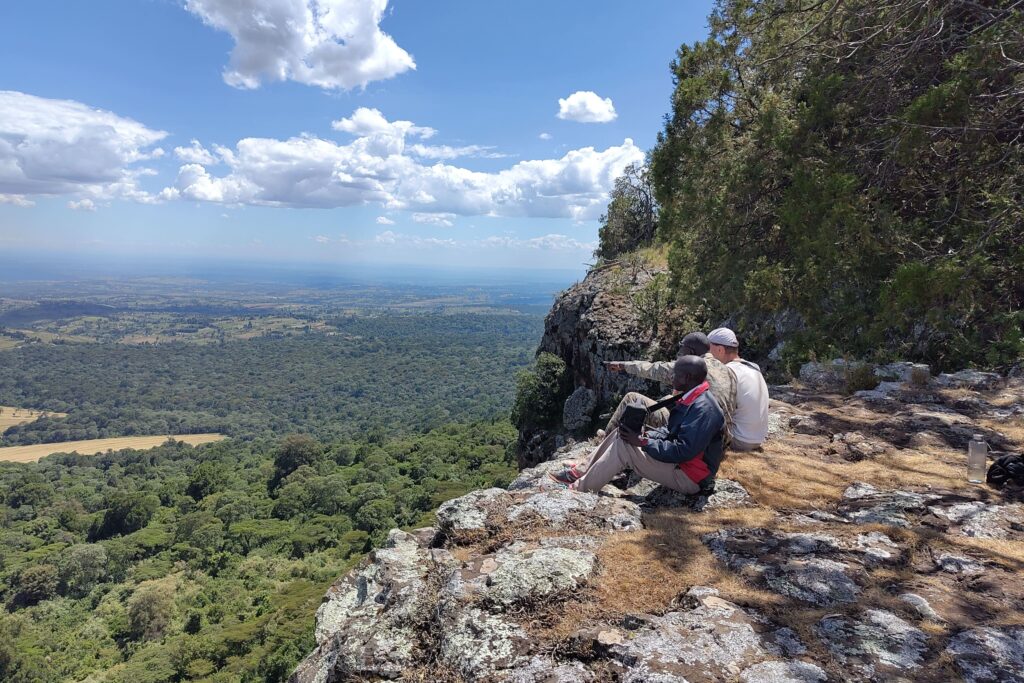
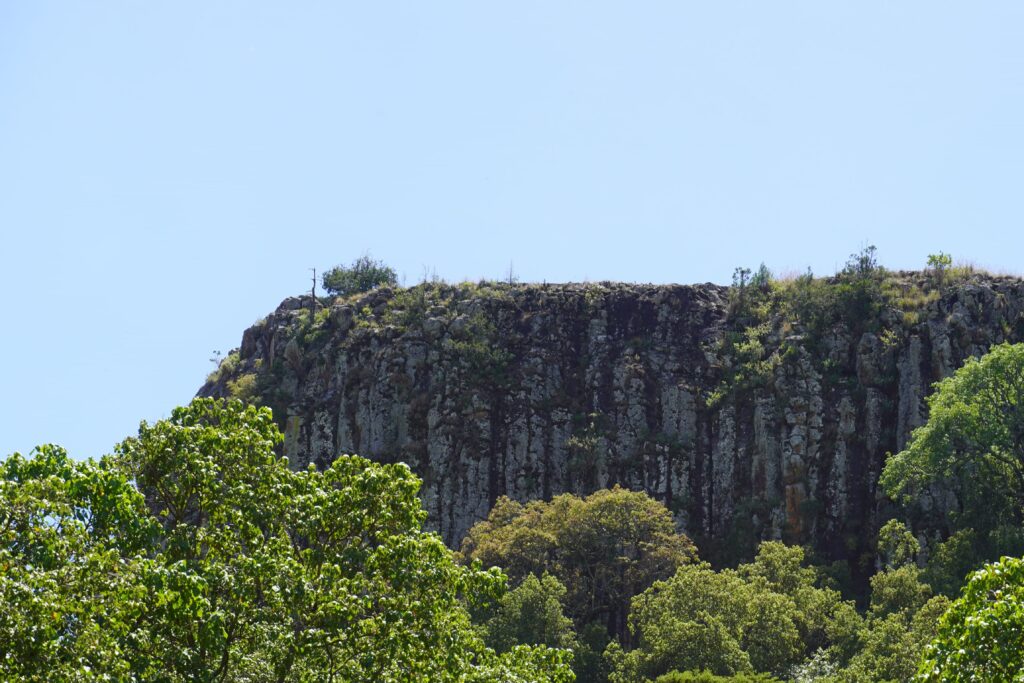
Endebuss Bluff is a scenic cliff that can be reached via a short 1.1 km hike. From the top, visitors enjoy sweeping views over the entire park, including Koitoboss Peak and Lower Elgon Tarn. It is one of the best spots in Mount Elgon National Park to experience a breathtaking sunrise.
Sabaot Lookout
Sabaot Lookout, located between Kitum Cave and Making’eny Cave, offers an excellent viewing point over the park’s scenic landscape. It also features a designated picnic area, making it a perfect spot for a relaxing break during nature walks.
Mountain Peaks
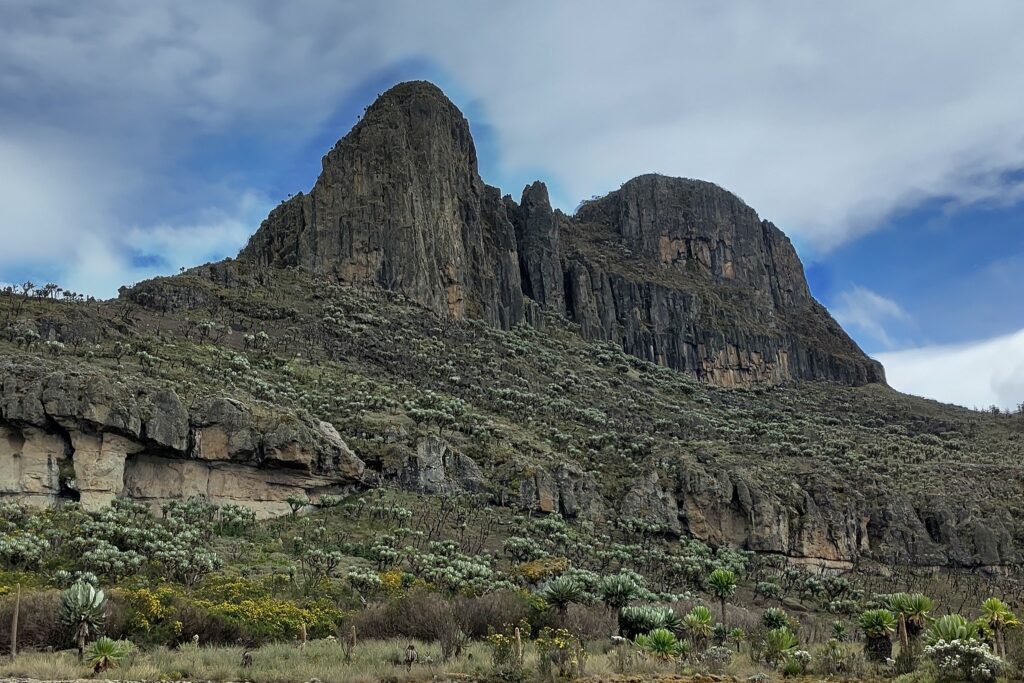
Mount Elgon is one of the oldest and largest volcanic mountains in East Africa, formed around 24 million years ago. Following its major volcanic activity, five summits emerged—three on the Ugandan and two on the Kenyan side. The highest point of the mountain is Wagagai in Uganda, which is the fourth-highest peak in East Africa.
On the Kenyan side, the highest summit is Lower Elgon Tarn, also the second-highest mountain point in all of Kenya. In addition to the major peaks listed below, the Ugandan side is also home to Mubii (4,111 m) and Jackson’s Peak (4,000 m).
Wagagai
Elevation: 4,321m (Uganda side)
Wagagai is with 4,321m the highest peak of Mount Elgon and the fourth-highest in East-Africa. It is located on the ugandan side, however hikes from Kenya to its peak are possible as cross-border activity.
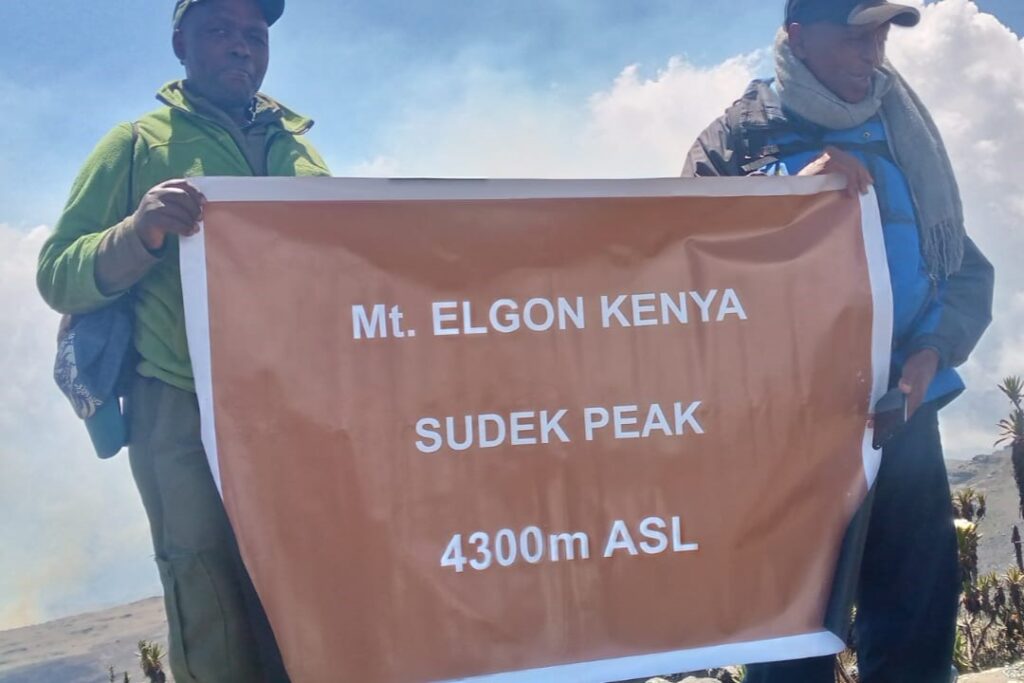
Lower Elgon Tarn / Sudek
Elevation 4,301m (Kenya)
Lower Elgon Tarn is the highest peak of Mount Elgon on the Kenyan side with 4,301m. Therefore, it’s the second highest mountain in whole of Kenya. Below its summit, there is a small lake.
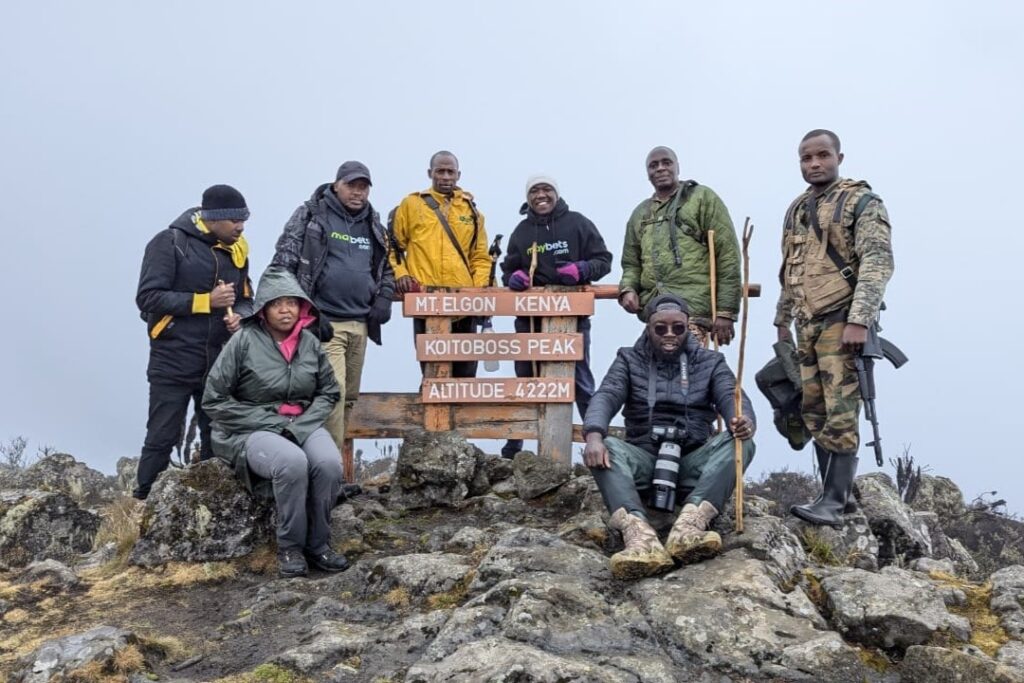
Koitoboss / Kimokoi
Elevation: 4222m (Kenya)
Koitoboss is the most popular summit to hike to, because it offers more hiking experience than the other peaks. Two example hikes are shown here (TODO: add link). From there you can see the Caldera(TODO: add link) and the Suam Goch(TODO: add link).
Others
In addition to all the shown attractions points, there are some that don’t fit any categoriy, like the second-largest caldera in Africa.
Caldera
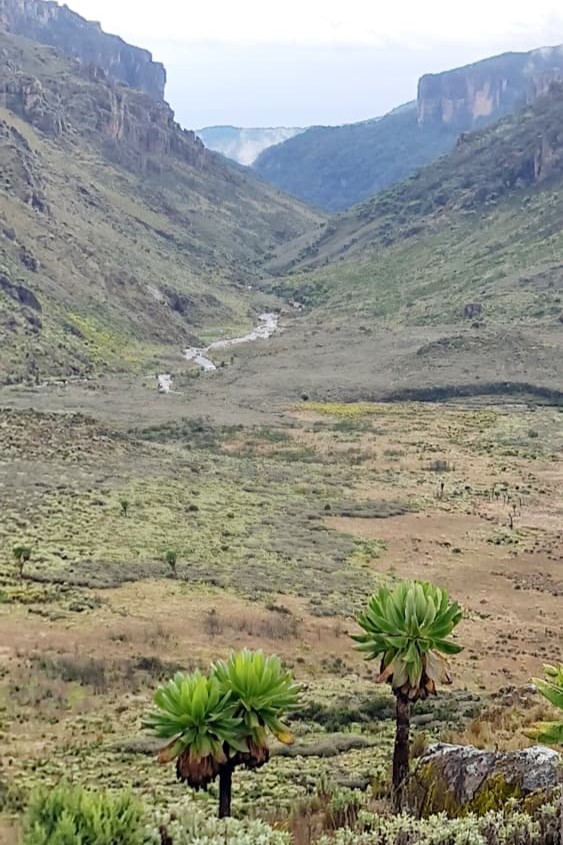
Mount Elgon features the second-largest caldera in Africa, spanning about 16 km². The caldera is visible from all major peaks of the mountain, and visitors can hike around its rim or even descend into it.
Hotsprings
These natural springs lie within the caldera, forming a warm pool with an estimated temperature of around 44°C. The site is accessible via a scenic 4-kilometre hike from Koitoboss Peak.
Suam Gorge
The Suam Gorge marks part of the border between Kenya and Uganda on the slopes of Mount Elgon. The Suam River flows through the gorge, which is approximately 10 meters wide, 70 meters deep, and about 8 kilometers long.
Chief Kasis
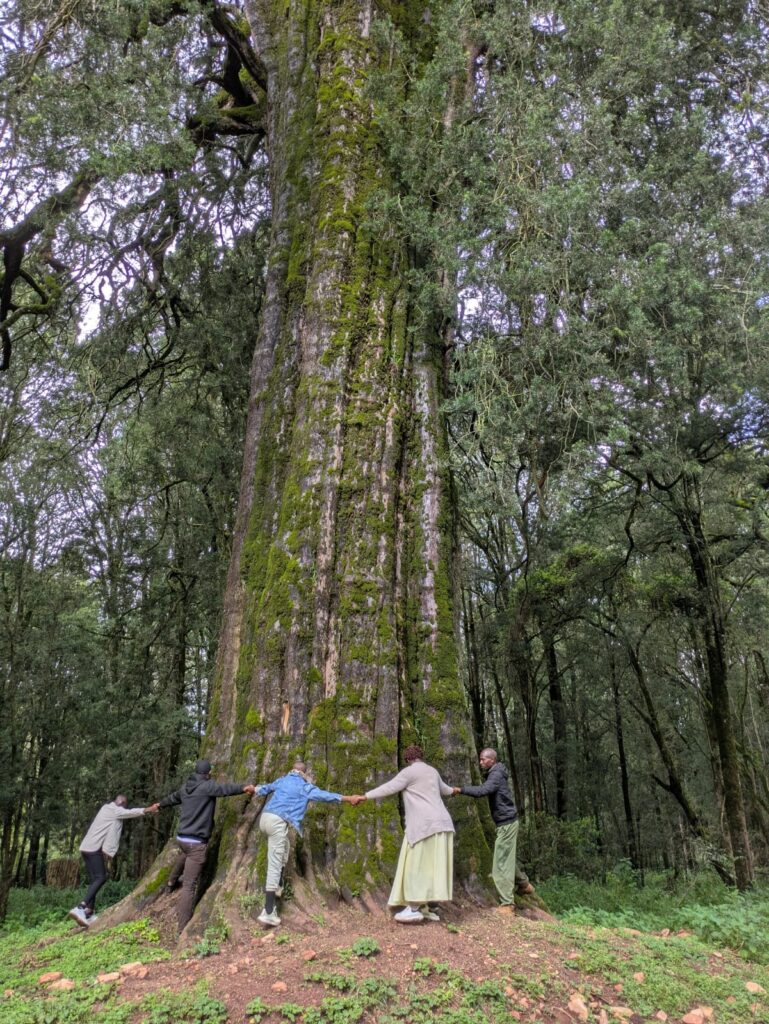
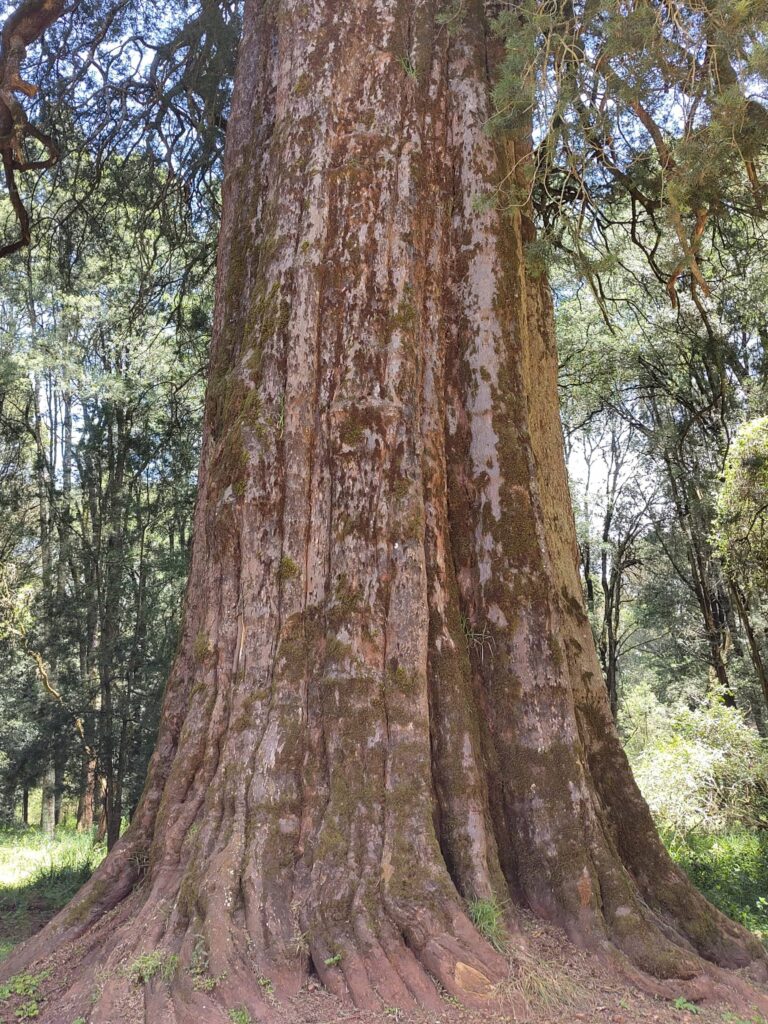
Chief Kasis is a Podocarpus tree (TODO: add link) located within the bamboo forest of Mount Elgon. It is considered the largest and oldest tree in the national park—approximately 300 years old, about 40 m tall, and with a circumference of around 10 m, requiring roughly twelve adults to encircle it. Next to it, there is a pic-nic site.